Genres
Make Music
Artists
Albums
Challenges
Sign in
Sign in
Albums
Albums
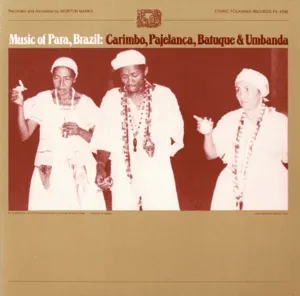
Music of Para, Brazil: Carimbó, Pajelança, Batuque and Umbanda
January 1, 1982
Listen
1
/5
Genres
Northern Brazilian Music
Northern Brazilian music refers to the constellation of popular and traditional styles from Brazil’s Amazonian North—especially Pará, Amapá, Amazonas, Roraima, Rondônia, Acre, and Tocantins. It blends Indigenous rhythms and instruments with Afro-Brazilian grooves and strong Caribbean influences (calypso, compas, merengue, and zouk), creating dance-focused forms such as carimbó, guitarrada, lambada, brega/calypso, and, later, tecnobrega. A hallmark of the scene is its sound-system culture (aparelhagens), bright electric guitars and synths, syncopated percussion (curimbó, maracas, reco-reco), and catchy call-and-response vocals that celebrate Amazonian life, romance, and local festivities.
Discover
Listen
Batucada
Batucada is a high-energy, percussion-driven style of samba played by large drum ensembles known as baterias. It is characterized by driving 2/4 rhythms, layered polyrhythms, and a powerful collective groove designed to move large crowds, especially during Carnival parades. The core sound comes from surdos (large bass drums) that mark the pulse and interlock in tuned layers, while caixas (snares), repiniques (high, cutting toms), tamborins, chocalhos, agogôs, cuícas, and reco-recos weave dense rhythmic textures. A whistle (apito) or the repinique section leader cues breaks, call-and-response figures, and dramatic stops (paradinhas). Although mostly unpitched and ensemble-based, batucada is musical, nuanced, and highly arranged, with subtle swing, dynamic contour, and signature "bossas" (precomposed rhythmic figures) unique to each samba school’s bateria.
Discover
Listen
Jongo
Jongo is an Afro-Brazilian circle dance and song tradition from the coffee-growing heartlands of southeastern Brazil, especially the Paraíba Valley spanning Rio de Janeiro, São Paulo, and Minas Gerais. It is typically performed around a bonfire with two drums—the larger caxambu and the smaller candongueiro—driving interlocking rhythms while participants sing call-and-response verses known as pontos. Rooted in Central and West-Central African (Bantu) cultural memory brought by enslaved peoples, jongo blends ritual, poetry, dance, and social commentary. Dancers invite one another into the circle using the umbigada (a belly-to-belly gesture), and singers improvise metaphor-rich, often enigmatic lyrics that encode devotion, resistance, and wit. In some regions the practice is also called caxambu, reflecting local naming of the larger drum and the tradition itself. Beyond performance, jongo serves as an intergenerational archive for Afro-Brazilian communities, embodying ancestry, spirituality, and communal cohesion while maintaining a lively, dance-forward character.
Discover
Listen
Candomblé Music
Candomblé music is the sacred musical practice of the Afro-Brazilian religion Candomblé. It centers on polyrhythmic drumming ensembles, call-and-response singing, and dance that invites the presence (incorporation) of the orixás (divinities). The core ensemble features three hand-played atabaque drums (rum, rumpi, and lê), metal bells (agogô), and rattles/shakers (xequerê, adjá), with the lead drummer (alabê) cueing changes in rhythm and energy. Stylistically, it preserves multiple West and Central African lineages—especially Yoruba (Ketu/Nagô), Fon/Ewe (Jeje), and Kongo/Angola—expressed in distinct toques (rhythmic patterns) such as ijexá, alujá, agueré, congo, and opanijé. Chants are performed in liturgical languages (predominantly Yoruba/Nagô, as well as Kikongo/Kimbundu and Fon) and in Portuguese, using a responsorial texture led by a solo cantor with a unison chorus. The music is not entertainment but ritual: every rhythm, melody, and text is tied to specific orixás, colors, dances, and ceremonial moments. Beyond the terreiro (temple), Candomblé’s musical vocabulary has profoundly shaped Brazilian popular music, from afoxé and samba de roda to axé and MPB, especially through the diffusion of the ijexá timeline and call-and-response vocal aesthetics.
Discover
Listen
Carimbó
Carimbó is a traditional rhythm and circle dance from the Brazilian Amazon, created by Indigenous peoples of Pará and later shaped by Afro‑Brazilian and Portuguese influences. It is centered on the curimbó (a large hollowed‑log drum whose name likely comes from a Tupi word), hand percussion such as maracás, and call‑and‑response vocals. Danced in villages and rural communities around Marajó Island and the capital Belém since colonial times, it features lively, syncopated drumming and a flirtatious choreographic dialogue between partners. In the 20th century—and especially from the 1970s on—carimbó was modernized with guitars, bass, and brass, which helped it gain national and international recognition while preserving its core Indigenous pulse.
Discover
Listen
Similar albums
2013
Kitsch Pop Cult
Felipe Cordeiro
2002
O canto das águas
Fafá de Belém do Pará
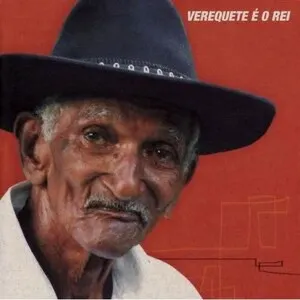
2007
Verequete é o rei
Verequete
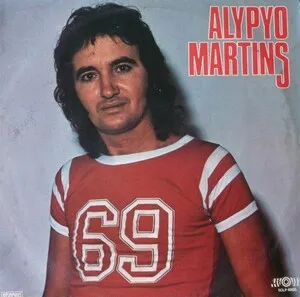
1975
O Rei do Carimbó Vol. 3
Alypyo Martins
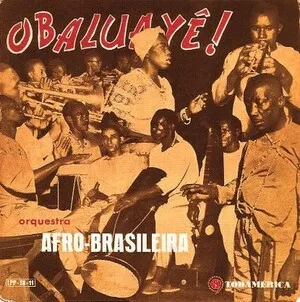
1957
Obaluayê!
Orquestra Afro-Brasileira
2024
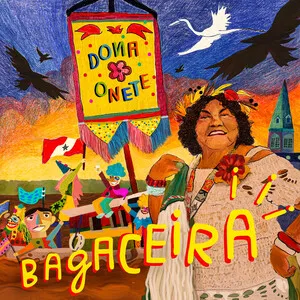
Bagaceira
Dona Onete
2019
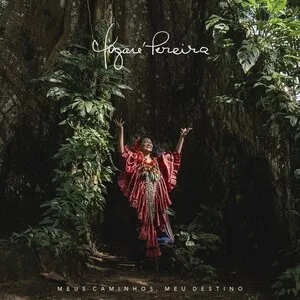
Meus caminhos, meu destino
Nazaré Pereira
1974
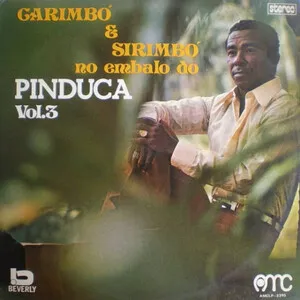
Carimbó e sirimbó no embalo do Pinduca - Vol. 3
Pinduca
2014
Goma-Laca: Afrobrasilidades em 78 RPM
2018
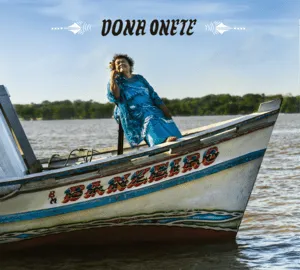
Banzeiro
Dona Onete
Download our mobile app
Get the Melodigging app and start digging for new genres on the go
Download on the App Store
Get it on Google Play
© 2026 Melodigging
Give feedback
Legal
Melodding was created as a tribute to
Every Noise at Once
, which inspired us to help curious minds keep digging into music's ever-evolving genres.