Genres
Make Music
Artists
Albums
Challenges
Sign in
Sign in
Albums
By Orquestra Afro-Brasileira
Albums
By Orquestra Afro-Brasileira
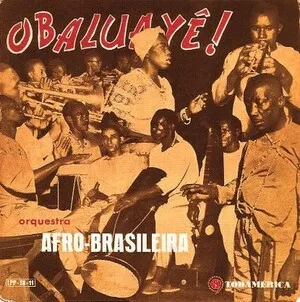
Obaluayê!
1957
Listen
1
/5
Genres
Batucada
Batucada is a high-energy, percussion-driven style of samba played by large drum ensembles known as baterias. It is characterized by driving 2/4 rhythms, layered polyrhythms, and a powerful collective groove designed to move large crowds, especially during Carnival parades. The core sound comes from surdos (large bass drums) that mark the pulse and interlock in tuned layers, while caixas (snares), repiniques (high, cutting toms), tamborins, chocalhos, agogôs, cuícas, and reco-recos weave dense rhythmic textures. A whistle (apito) or the repinique section leader cues breaks, call-and-response figures, and dramatic stops (paradinhas). Although mostly unpitched and ensemble-based, batucada is musical, nuanced, and highly arranged, with subtle swing, dynamic contour, and signature "bossas" (precomposed rhythmic figures) unique to each samba school’s bateria.
Discover
Listen
Afoxê
Afoxê is an Afro‑Brazilian carnival music and performance tradition that emerged in Salvador da Bahia in the early 20th century. It is rooted in the Candomblé religion and centers on the ijexá (ijexá/ijexá) rhythm associated with the Ijexá nation of Yoruba origin. Beyond a musical style, afoxê denotes the cultural and religious blocos (processional groups) that present choreographed parades with call‑and‑response singing, ritual language, praise to orixás (deities), and an instrumentation led by atabaque drums, agogô bells, xequerê (shekere), and other hand percussion. While sacred in origin, afoxê became a visible, affirming expression of Afro‑Brazilian identity in Carnival, later informing popular Bahian music and the national soundscape.
Discover
Listen
Northeastern Brazilian Music
Northeastern Brazilian music is an umbrella for the rich, dance‑driven and song‑centered traditions from Brazil’s Nordeste, spanning rural sertão sounds and vibrant coastal carnival repertoires. It gathers matrix styles such as forró (and its substyles baião, xote, xaxado), coco and embolada (repente), maracatu, frevo, ciranda, and more. Characterized by propulsive percussion (zabumba, alfaia, pandeiro), bright timbres (triangle, brass), and the signature diatonic accordion (sanfona), the region’s music balances joyous, communal dance grooves with lyrical narratives about sertão life, migration, love, drought, and resilience. Its rhythmic DNA mixes Portuguese dance forms with Afro‑Brazilian and Indigenous elements, producing syncopated two‑step feels and carnival‑ready cadences. From the early 20th century radio era to contemporary pop and hip‑hop fusions, Northeastern styles have continually refreshed Brazilian music at large, informing MPB, axé, and the Recife‑born mangue beat while sustaining strong local dance and festival circuits.
Discover
Listen
Candomblé Music
Candomblé music is the sacred musical practice of the Afro-Brazilian religion Candomblé. It centers on polyrhythmic drumming ensembles, call-and-response singing, and dance that invites the presence (incorporation) of the orixás (divinities). The core ensemble features three hand-played atabaque drums (rum, rumpi, and lê), metal bells (agogô), and rattles/shakers (xequerê, adjá), with the lead drummer (alabê) cueing changes in rhythm and energy. Stylistically, it preserves multiple West and Central African lineages—especially Yoruba (Ketu/Nagô), Fon/Ewe (Jeje), and Kongo/Angola—expressed in distinct toques (rhythmic patterns) such as ijexá, alujá, agueré, congo, and opanijé. Chants are performed in liturgical languages (predominantly Yoruba/Nagô, as well as Kikongo/Kimbundu and Fon) and in Portuguese, using a responsorial texture led by a solo cantor with a unison chorus. The music is not entertainment but ritual: every rhythm, melody, and text is tied to specific orixás, colors, dances, and ceremonial moments. Beyond the terreiro (temple), Candomblé’s musical vocabulary has profoundly shaped Brazilian popular music, from afoxé and samba de roda to axé and MPB, especially through the diffusion of the ijexá timeline and call-and-response vocal aesthetics.
Discover
Listen
Brazilian Folk Music
Brazilian folk music is an umbrella term for the country’s regional and traditional musics that grew from the encounter of Indigenous, African (mainly West and Central African), and Iberian (especially Portuguese) cultures. It encompasses rural song, dance, and ritual genres such as baião and forró in the Northeast, viola-caipira traditions in the Southeast and Center-West, Afro-Brazilian drumming and chant in maracatu and jongo, circle-dance genres like ciranda and coco, and many others associated with religious festivals, work songs, and oral poetry. Marked by call-and-response vocals, propulsive percussion, syncopated grooves, and narrative lyrics, Brazilian folk music remains a living tradition that informs Brazilian popular music while preserving local identity and heritage.
Discover
Listen
Similar albums
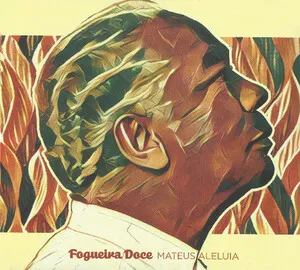
2017
Fogueira doce
Mateus Aleluia
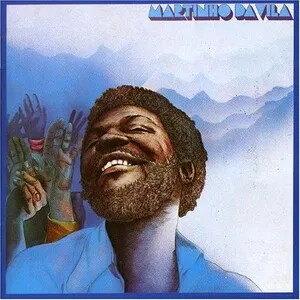
1974
Canta canta minha gente
Martinho da Vila
1975
A voz do samba
Alcione
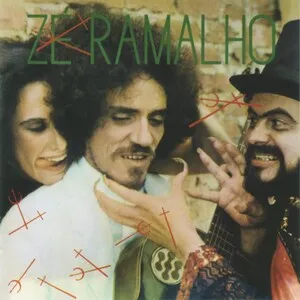
1979
A peleja do Diabo com o dono do céu
Zé Ramalho
1976
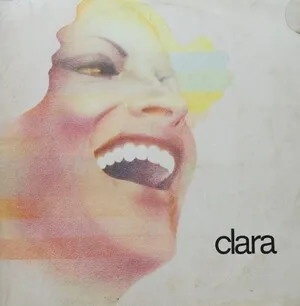
Canto das três raças
Clara
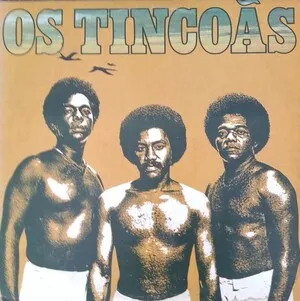
1977
Os Tincoãs
Os Tincoãs
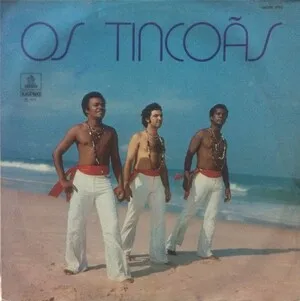
1973
Os Tincoãs
Os Tincoãs
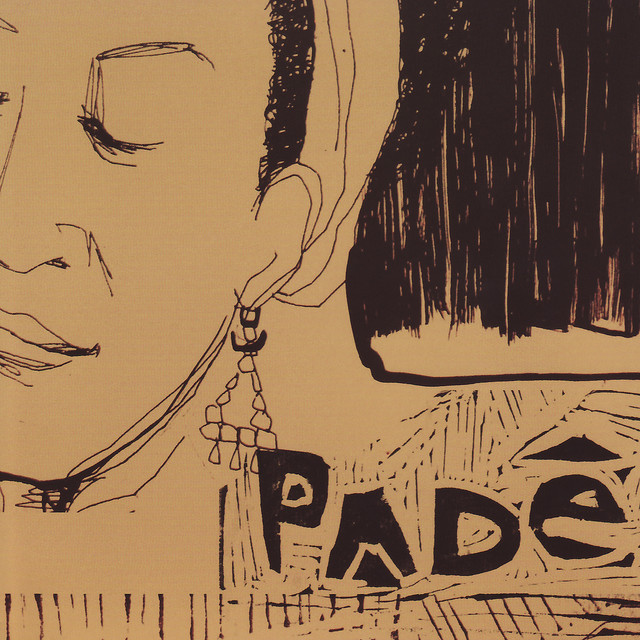
2008
Padê
Juçara Marçal & Kiko Dinucci
2020
Olorum
Mateus Aleluia
1981
A terceira lâmina
Zé Ramalho
Download our mobile app
Get the Melodigging app and start digging for new genres on the go
Download on the App Store
Get it on Google Play
© 2026 Melodigging
Give feedback
Legal
Melodding was created as a tribute to
Every Noise at Once
, which inspired us to help curious minds keep digging into music's ever-evolving genres.