Genres
Make Music
Artists
Albums
Challenges
Sign in
Sign in
Albums
Albums
Goma-Laca: Afrobrasilidades em 78 RPM
August 6, 2014
Listen
1
/5
Genres
Batucada
Batucada is a high-energy, percussion-driven style of samba played by large drum ensembles known as baterias. It is characterized by driving 2/4 rhythms, layered polyrhythms, and a powerful collective groove designed to move large crowds, especially during Carnival parades. The core sound comes from surdos (large bass drums) that mark the pulse and interlock in tuned layers, while caixas (snares), repiniques (high, cutting toms), tamborins, chocalhos, agogôs, cuícas, and reco-recos weave dense rhythmic textures. A whistle (apito) or the repinique section leader cues breaks, call-and-response figures, and dramatic stops (paradinhas). Although mostly unpitched and ensemble-based, batucada is musical, nuanced, and highly arranged, with subtle swing, dynamic contour, and signature "bossas" (precomposed rhythmic figures) unique to each samba school’s bateria.
Discover
Listen
Coco
Coco is an Afro-Brazilian rhythm and community dance-song tradition from Northeastern Brazil, especially Pernambuco, Paraíba, Alagoas, and Rio Grande do Norte. It features a propulsive, repetitive groove in duple meter, call-and-response vocals led by a mestre (leader) and answered by a chorus, and a distinctive percussive "pisada" (stomping) that turns the dancing circle into a rhythmic instrument. Performers typically gather in a roda (circle), clapping, stepping, and spinning to the beat—often at weekend street parties, religious/festive gatherings, and Carnival. Coco is closely related to (and sometimes synonymous with) embolada, the fast, tongue‑twisting, often improvised song form accompanied by pandeiro. Its antiphonal singing and cyclic percussion patterns echo West and Central African work songs and ritual music, and its participatory energy is comparable to capoeira music—joyful, communal, and irresistibly dancing.
Discover
Listen
Candomblé Music
Candomblé music is the sacred musical practice of the Afro-Brazilian religion Candomblé. It centers on polyrhythmic drumming ensembles, call-and-response singing, and dance that invites the presence (incorporation) of the orixás (divinities). The core ensemble features three hand-played atabaque drums (rum, rumpi, and lê), metal bells (agogô), and rattles/shakers (xequerê, adjá), with the lead drummer (alabê) cueing changes in rhythm and energy. Stylistically, it preserves multiple West and Central African lineages—especially Yoruba (Ketu/Nagô), Fon/Ewe (Jeje), and Kongo/Angola—expressed in distinct toques (rhythmic patterns) such as ijexá, alujá, agueré, congo, and opanijé. Chants are performed in liturgical languages (predominantly Yoruba/Nagô, as well as Kikongo/Kimbundu and Fon) and in Portuguese, using a responsorial texture led by a solo cantor with a unison chorus. The music is not entertainment but ritual: every rhythm, melody, and text is tied to specific orixás, colors, dances, and ceremonial moments. Beyond the terreiro (temple), Candomblé’s musical vocabulary has profoundly shaped Brazilian popular music, from afoxé and samba de roda to axé and MPB, especially through the diffusion of the ijexá timeline and call-and-response vocal aesthetics.
Discover
Listen
Similar albums
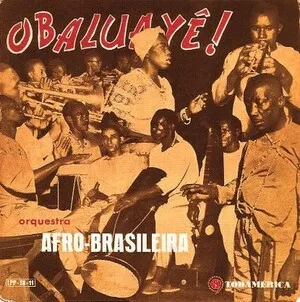
1957
Obaluayê!
Orquestra Afro-Brasileira
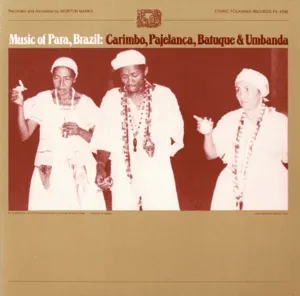
1982
Music of Para, Brazil: Carimbó, Pajelança, Batuque and Umbanda
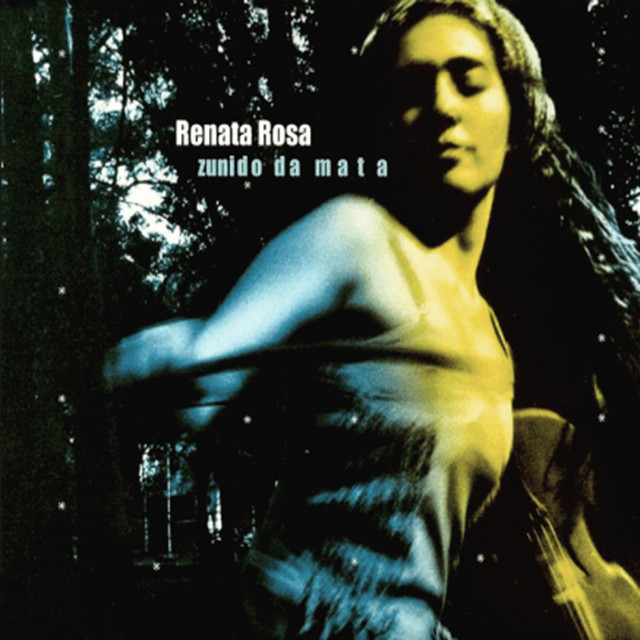
2003
Zunido da mata
Renata Rosa
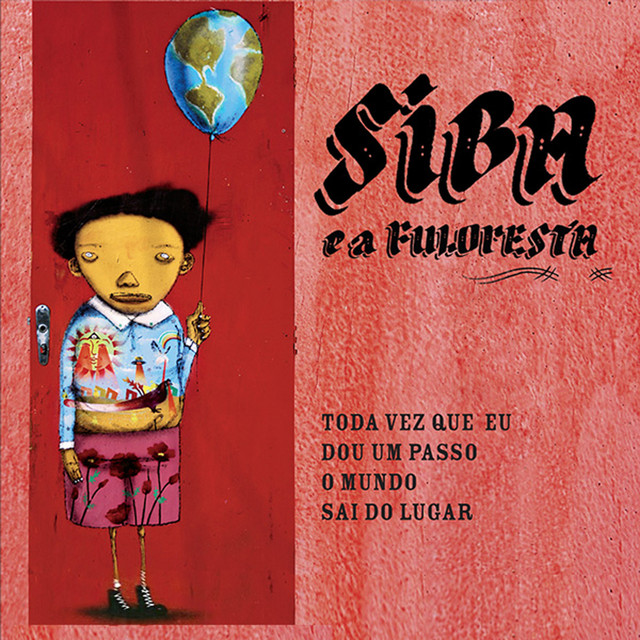
2007
Toda vez que eu dou um passo o mundo sai do lugar
Siba e a Fuloresta
2019
Ciranda sem fim
Lia de Itamaracá
1996
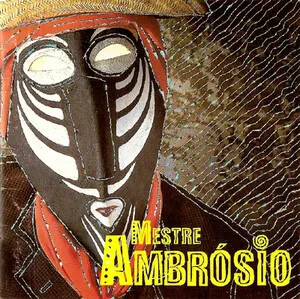
Mestre Ambrósio
Mestre Ambrósio
1999
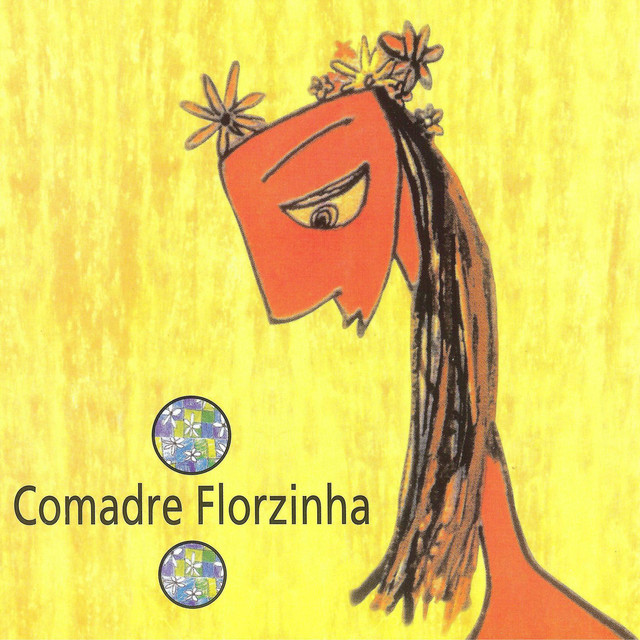
Comadre Florzinha
Comadre Florzinha
2003
Professor de embolada
Caju & Castanha
2016
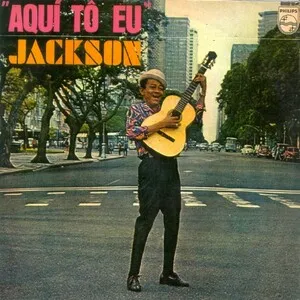
Aqui tô eu
Jackson do Pandeiro
2005
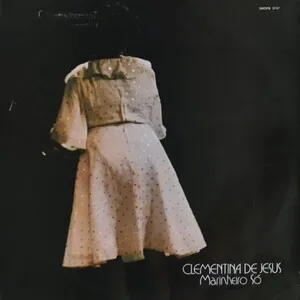
Marinheiro só
Clementina de Jesus
Download our mobile app
Get the Melodigging app and start digging for new genres on the go
Download on the App Store
Get it on Google Play
© 2026 Melodigging
Give feedback
Legal
Melodding was created as a tribute to
Every Noise at Once
, which inspired us to help curious minds keep digging into music's ever-evolving genres.