Genres
Make Music
Artists
Albums
Challenges
Sign in
Sign in
Albums
Albums
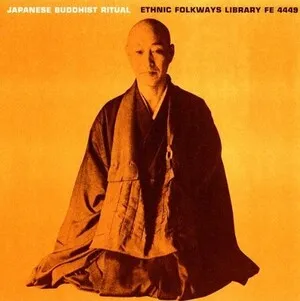
Japanese Buddhist Ritual
January 1, 1954
Listen
1
/5
Genres
Non-Music
Non-music is an umbrella category for recorded audio whose primary purpose is not musical performance. It encompasses spoken word, speeches, interviews, poetry readings, comedy, audio documentaries, instructional recordings, field recordings, sound effects, and other forms of organized sound meant to inform, narrate, document, or entertain without relying on melody or conventional song structure. Rather than emphasizing harmony, rhythm, and instrumentation, non-music foregrounds voice, text, ambient sound, narrative flow, informational content, and sonic texture. Its aesthetics range from raw, unedited actuality to highly produced studio works, and its scope spans archival preservation, education, performance art, and mass entertainment.
Discover
Listen
Shōmyō
Shōmyō (声明) is a form of Japanese Buddhist chant practiced primarily in the Tendai and Shingon traditions. It is an a cappella, liturgical vocal music used to intone sutras, dhāraṇī, hymns, and ritual formulae in temples. Two main stylistic groupings are recognized: - Ryokyoku (呂曲): the more elaborate, melismatic, and technically demanding style. - Rikkyoku (律曲): the simpler, more syllabic, and easier-to-memorize style. Textures are predominantly unison (male monastic voices), with free, breath-governed rhythm and subtle microtonal inflection. Although primarily unaccompanied, wooden blocks (mokugyō), bowl gongs (keisu), or hand-clapping may mark ritual timing in certain services. Texts appear in Sino-Japanese (kanbun) and in Sanskrit (Siddhaṃ/seed syllables) as transmitted through Buddhist liturgy.
Discover
Listen
Buddhist Music
Buddhist music is the broad family of liturgical chant and ritual sound practices associated with Buddhist traditions across Asia. It centers on the vocal recitation of sutras, mantras, and dhāraṇīs, often performed a cappella by monastics or lay chanters, and is designed to aid concentration, devotion, and the transmission of teachings. While primarily vocal and modal, instrumentation appears in many regional practices: Tibetan rituals feature low multiphonic chant with drums, large cymbals, horns, and shawms; Chinese fanbai and Korean beompae retain courtly timbres; Japanese shōmyō emphasizes refined, unison vocal lines; and Theravāda communities in Southeast Asia maintain austere Pāli chant with minimal or no accompaniment. Common traits include restricted melodic ambitus, formulaic melodic contours, free or flexible rhythm, and text-forward delivery in sacred languages such as Pāli, Sanskrit, Tibetan, Chinese, Korean, and Japanese.
Discover
Listen
Similar albums
2010
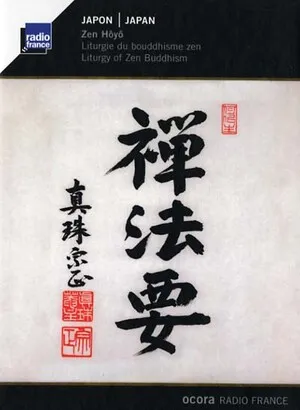
Japon : Zen hôyô, liturgie du bouddhisme zen
Moines du temple Daitokuji de Kyôto
2022
You Who Are Leaving to Nirvana
Midori Takada 高田みどり
1992
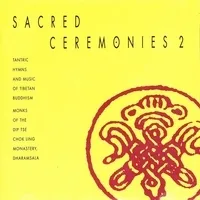
Sacred Ceremonies 2: Tantric Hymns and Music of Tibetan Buddhism
Monks of the Dip Tse Chok Ling Monastery, Dharamsala
2013
Tibet: Monastère de Gyütö - La voix des Tantra
The Gyuto Monks of Tibet
1998
Tantric rNying.ma Chant of Tibet
The Venerable 'Chi.med Rig.'dzin Lama, Rinpoche
1959
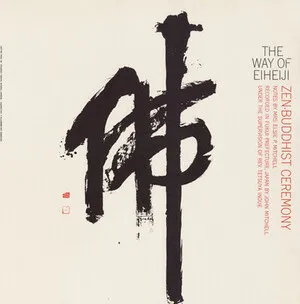
The Way of Eiheiji: Zen-Buddhist Ceremony
The Monks of the Eiheiji 曹洞宗大本山永平寺
2021
10 Hours of Continuous Rain Sounds for Sleeping
White Noise Radiance
2015
Peach
Alabaster dePlume
1993
No Cure for Cancer
Denis Leary
1993
They're All Gonna Laugh at You!
Adam Sandler
Download our mobile app
Get the Melodigging app and start digging for new genres on the go
Download on the App Store
Get it on Google Play
© 2026 Melodigging
Give feedback
Legal
Melodding was created as a tribute to
Every Noise at Once
, which inspired us to help curious minds keep digging into music's ever-evolving genres.