Genres
Make Music
Artists
Albums
Challenges
Sign in
Sign in
Albums
By Antonio de Literes
Albums
By Antonio de Literes
Barroco español: Vol. 2 - "Ay amor" zarzuelas
December 15, 1998
Listen
1
/5
Genres
Zarzuela
Zarzuela is a Spanish lyric‑dramatic genre that alternates spoken dialogue with sung numbers such as romanzas (arias), ensembles, and choruses. It blends courtly and popular musical idioms, weaving in Spanish dance rhythms (seguidillas, fandangos, jotas, chotis) and vivid costumbrista (everyday-life) scenes. Two principal formats emerged: the expansive zarzuela grande (multi‑act, operatic in scope) and the género chico (one‑act, agile, and often comedic). Across all forms, zarzuela prizes clear storytelling, tuneful melodies, rhythmic vitality, and a strong sense of place, often portraying Madrid’s barrios or regional Spain with humor, sentiment, and social observation.
Discover
Listen
Zarzuela Barroca
Zarzuela barroca is the early, Baroque-era form of the Spanish zarzuela: a courtly and public musical theatre that blends spoken dialogue with sung numbers, choruses, dances, and instrumental interludes. It emerged in 17th‑century Spain around the royal hunting lodge La Zarzuela (near Madrid), from which it takes its name. Unlike fully sung Italian opera, Baroque zarzuela alternates prose or verse dialogue with arias, ensembles, and popular dance-songs, rooting high court spectacle in recognizable Iberian idioms. Stylistically it marries Italianate recitative and aria craft to Spanish song and dance forms such as jácaras, seguidillas, and later fandangos, often with vivid mythological or allegorical plots crafted by leading Golden Age playwrights.
Discover
Listen
Spanish Classical Music
Spanish classical music refers to the art-music tradition created by composers active in Spain from the Renaissance to the present, encompassing sacred polyphony, court and theatrical genres, instrumental idioms for guitar and keyboard, and nationalist currents that elevate regional dance and song types. It is characterized by the coexistence of European common-practice techniques with distinctively Iberian colors: modal inflections (especially the Phrygian flavor), the Andalusian cadence, dance-derived rhythms (fandango, seguidilla, jota, bolero), and an idiomatic centrality of the guitar alongside choirs, keyboard, chamber, and orchestral forces. Across centuries, Spanish composers have contributed both to pan-European classical forms (mass, motet, sonata, concerto, symphony, opera) and to uniquely Spanish hybrids (zarzuela, tonadilla), while absorbing deep historical layers that include medieval chant, Renaissance polyphony, and interactions with Sephardic, Moorish/Andalusian, and folk–flamenco traditions.
Discover
Listen
Similar albums
2022
Coronis
Sebastián Durón / Le Poème Harmonique / Vincent Dumestre
2025
Venus y Adonis
José de Nebra / Los Elementos Alberto Miguélez Rouco
2001
Acis y Galatea
Antonio de Literes / Al Ayre Español / Eduardo López Banzo
2010
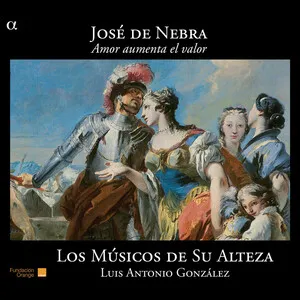
Amor aumenta el valor
José de Nebra / Los Músicos de Su Alteza / Luis Antonio González
2022
Donde hay violencia, no hay culpa
José de Nebra / Ensemble Los Elementos / Alberto Miguélez Rouco
1994
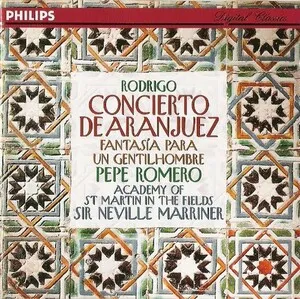
Concierto de Aranjuez; Fantasía para un gentilhombre
Joaquín Rodrigo
1960
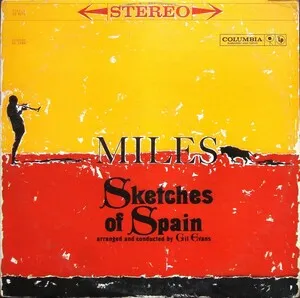
Sketches of Spain
Miles Davis
1998
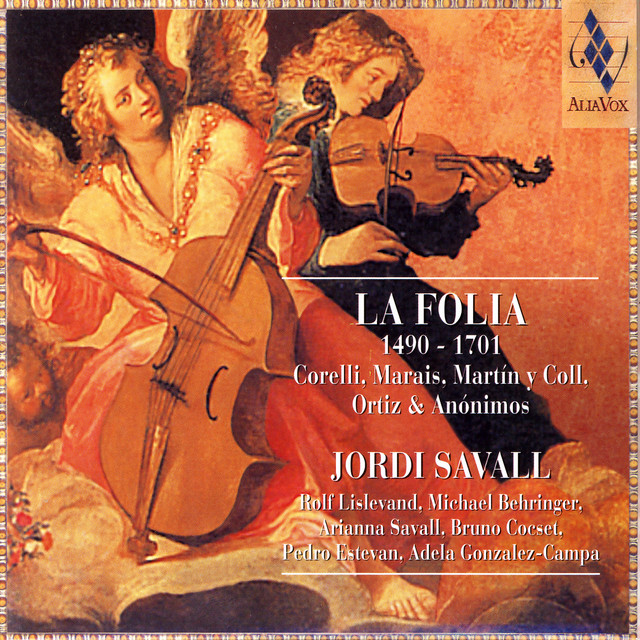
La folia 1490-1701
[anonymous]
2016
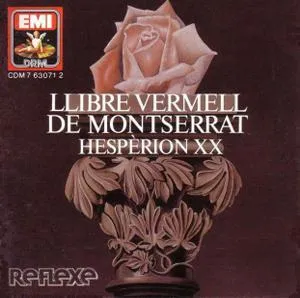
Llibre vermell de Montserrat
[anonymous] / Hespèrion XX
1991
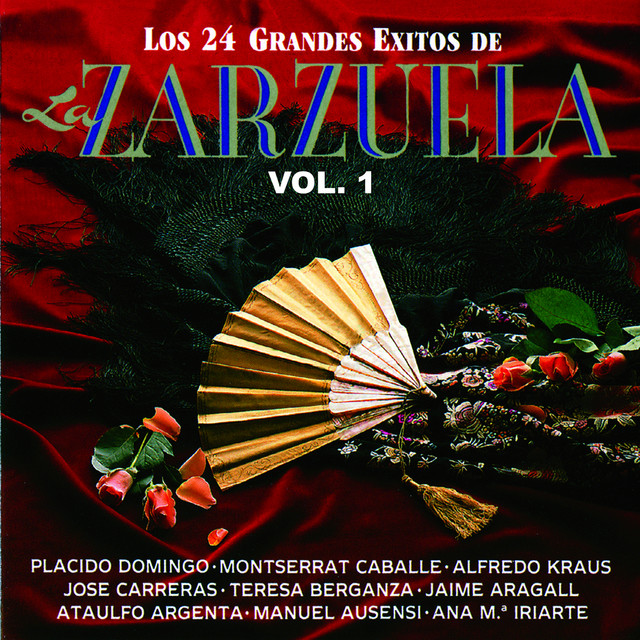
24 Grandes Éxitos de Zarzuela, Vol. 1
Manuel Ausensi
Download our mobile app
Get the Melodigging app and start digging for new genres on the go
Download on the App Store
Get it on Google Play
© 2026 Melodigging
Give feedback
Legal
Melodding was created as a tribute to
Every Noise at Once
, which inspired us to help curious minds keep digging into music's ever-evolving genres.