Genres
Make Music
Artists
Albums
Challenges
Sign in
Sign in
Albums
By Los Músicos De Su Alteza
Albums
By Los Músicos De Su Alteza
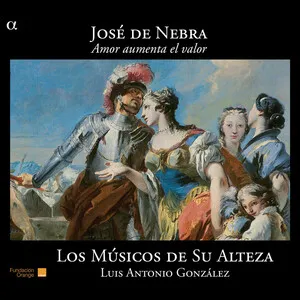
Amor aumenta el valor
November 8, 2010
Listen
1
/5
Genres
Zarzuela Barroca
Zarzuela barroca is the early, Baroque-era form of the Spanish zarzuela: a courtly and public musical theatre that blends spoken dialogue with sung numbers, choruses, dances, and instrumental interludes. It emerged in 17th‑century Spain around the royal hunting lodge La Zarzuela (near Madrid), from which it takes its name. Unlike fully sung Italian opera, Baroque zarzuela alternates prose or verse dialogue with arias, ensembles, and popular dance-songs, rooting high court spectacle in recognizable Iberian idioms. Stylistically it marries Italianate recitative and aria craft to Spanish song and dance forms such as jácaras, seguidillas, and later fandangos, often with vivid mythological or allegorical plots crafted by leading Golden Age playwrights.
Discover
Listen
Zarzuela
Zarzuela is a Spanish lyric‑dramatic genre that alternates spoken dialogue with sung numbers such as romanzas (arias), ensembles, and choruses. It blends courtly and popular musical idioms, weaving in Spanish dance rhythms (seguidillas, fandangos, jotas, chotis) and vivid costumbrista (everyday-life) scenes. Two principal formats emerged: the expansive zarzuela grande (multi‑act, operatic in scope) and the género chico (one‑act, agile, and often comedic). Across all forms, zarzuela prizes clear storytelling, tuneful melodies, rhythmic vitality, and a strong sense of place, often portraying Madrid’s barrios or regional Spain with humor, sentiment, and social observation.
Discover
Listen
Opera
Opera is a large-scale theatrical genre that combines music, drama, and visual spectacle, in which the story is primarily conveyed through singing accompanied by an orchestra. It unites solo voices, ensembles, and chorus with staging, costumes, and often dance to create a total artwork. Emerging in late Renaissance Italy and flourishing in the Baroque era, opera developed signature forms such as recitative (speech-like singing that advances the plot) and aria (lyrical numbers that explore character and emotion). Over the centuries it evolved diverse national styles—Italian bel canto, French grand opéra, German music drama—while continually experimenting with orchestration, harmony, narrative structure, and stagecraft.
Discover
Listen
Classical
Classical music is the notated art-music tradition of Europe and its global descendants, characterized by durable forms, carefully codified harmony and counterpoint, and a literate score-based practice. The term “classical” can refer broadly to the entire Western art-music lineage from the Medieval era to today, not just the Classical period (c. 1750s–1820s). It privileges long-form structures (such as symphonies, sonatas, concertos, masses, and operas), functional or modal harmony, thematic development, and timbral nuance across ensembles ranging from solo instruments to full orchestras and choirs. Across centuries, the style evolved from chant and modal polyphony to tonal harmony, and later to post-tonal idioms, while maintaining a shared emphasis on written notation, performance practice, and craft.
Discover
Listen
Similar albums
2022
Coronis
Sebastián Durón / Le Poème Harmonique / Vincent Dumestre
2004
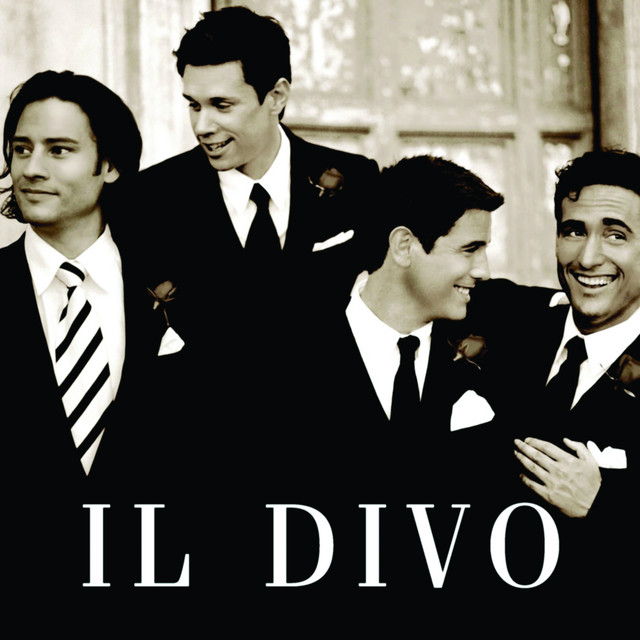
Il Divo
Il Divo
2019
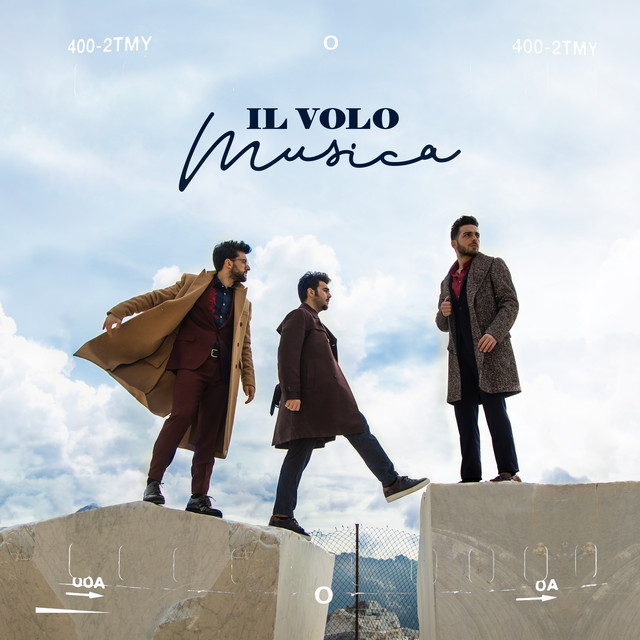
Musica
Il Volo
2005
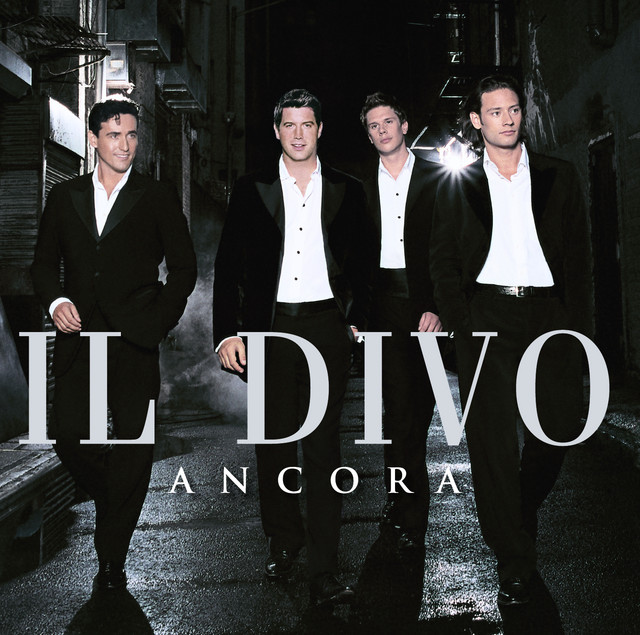
Ancora
Il Divo
1995
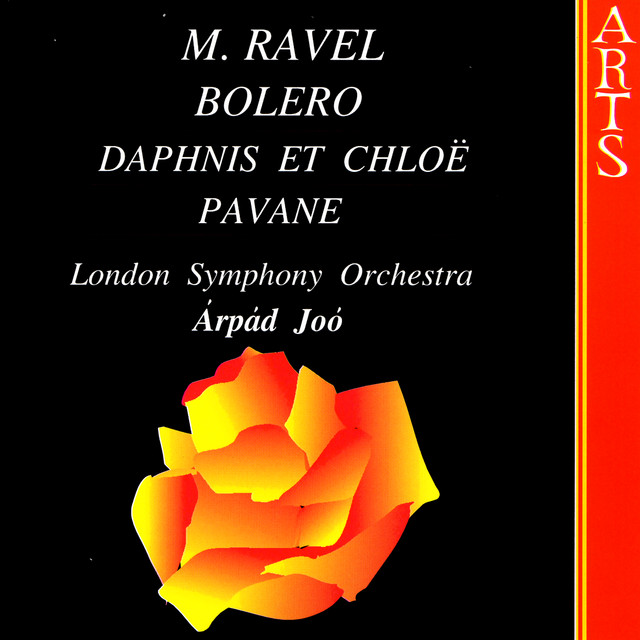
Ravel: Bolero / Daphnis Et Chloë
London Symphony Orchestra
1979
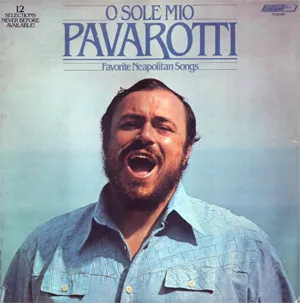
O sole mio: Favorite Neapolitan Songs
Eduardo Di Capua / Luciano Pavarotti
2006
Ancora
Il Divo
2004
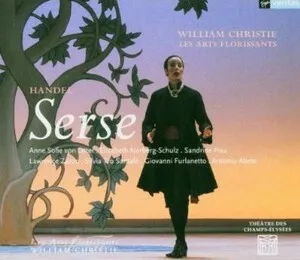
Serse
Georg Friedrich Händel
2023
My Love Songs (Expanded Edition)
Andrea Bocelli
1991
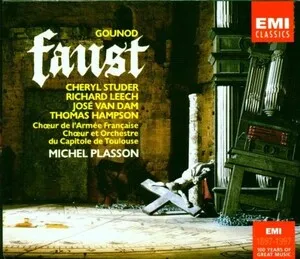
Faust
Charles Gounod
Download our mobile app
Get the Melodigging app and start digging for new genres on the go
Download on the App Store
Get it on Google Play
© 2026 Melodigging
Give feedback
Legal
Melodding was created as a tribute to
Every Noise at Once
, which inspired us to help curious minds keep digging into music's ever-evolving genres.