Genres
Make Music
Artists
Albums
Challenges
Sign in
Sign in
Albums
By Various Artists
Albums
By Various Artists
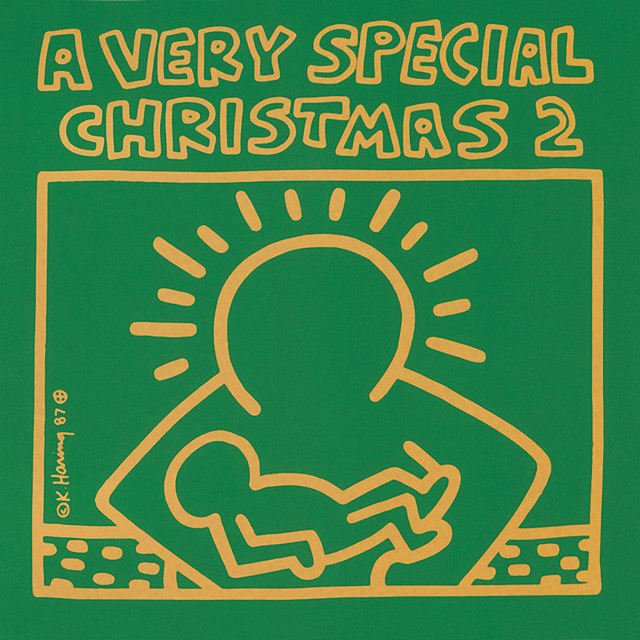
A Very Special Christmas 2
October 20, 1992
Listen
3
/5
Genres
Golden Age Hip Hop
Golden age hip hop is the label commonly given to mainstream hip hop created from the mid/late 1980s through the early-to-mid 1990s, especially by artists from the New York metropolitan area. It is known for dense sample-based production, hard-hitting drum programming, and highly developed lyricism, including complex rhyme schemes, storytelling, battle rap, and socially conscious writing. The era is often described as unusually diverse and innovative, with producers sampling widely from funk, soul, jazz, rock, and spoken-word records, and with artists exploring themes ranging from party and braggadocio to politics and everyday urban life.
Discover
Listen
Heartland Rock
Heartland rock is a style of mainstream American rock defined by anthemic songwriting, plainspoken storytelling, and a roots-oriented band sound. It centers on working‑class life, small towns, highways, and everyday resilience, using vivid, cinematic lyrics and big, sing‑along choruses. Musically, it blends the drive of classic rock with the twang of country rock and the earnestness of folk rock. Guitars (both electric and acoustic), organ or piano, steady backbeat drums, and occasional saxophone create a warm, road‑tested feel that favors live, unadorned arrangements over studio gloss.
Discover
Listen
Old School Hip Hop
Old school hip hop is the earliest commercially recorded form of hip hop and the original template for the culture’s recorded sound. The term generally refers to music made from the early Bronx party era of 1973 through roughly 1983, before the harder, more sample‑dense “new school” sound took hold. Musically, it centers on extended breakbeats drawn from funk and disco records, live turntable techniques (cutting, backspinning, and early scratching), simple but infectious drum programming (often with the TR‑808), and crowd‑engaging MC routines. Rapping tends to feature clear enunciation, party chants, call‑and‑response, braggadocio, and narrative vignettes, delivered over steady 4/4 grooves in the 95–112 BPM range. Culturally, old school hip hop grew out of DJ‑led block parties, b‑boy/b‑girl dance breaks, and the Jamaican sound‑system tradition, and it codified the core pillars of the hip hop ethos: DJing, MCing, breaking, and graffiti.
Discover
Listen
Album Rock
Album rock (often associated with the album‑oriented rock, or AOR, FM radio format) refers to rock music created and programmed with the album as the primary artistic unit rather than individual hit singles. Emerging on U.S. FM radio in the early 1970s, it spotlighted deeper album cuts, long-form tracks, and cohesive sequencing, drawing heavily from progressive, psychedelic, art, hard, blues, and folk rock. Musically, album rock favors full-band arrangements, extended solos, dynamic contrasts, and high-fidelity production intended for immersive, start-to-finish listening. While overlapping with “arena rock” and later “classic rock,” album rock is best understood as an album-centered approach and a radio culture that shaped how rock acts wrote, produced, and presented their music.
Discover
Listen
Classic Rock
Classic rock is a radio-defined umbrella for mainstream, guitar-centered rock music from the mid-1960s through the 1980s. It emphasizes blues-based riffs, memorable choruses, sturdy backbeats, and prominent guitar solos, often framed by warm, analog production. Rather than being a single stylistic branch, classic rock curates a canon that spans hard rock, blues rock, folk rock, psychedelic and progressive strains, and heartland- and country-tinged rock. Albums and album-oriented rock (AOR) values—extended tracks, conceptual cohesion, and musicianship—are central to its identity. The sound evokes tube-amp crunch, Hammond organs, stacked vocal harmonies, and anthemic songwriting designed for both FM radio and the concert arena.
Discover
Listen
East Coast Hip Hop
East Coast hip hop is a regional style of hip hop that emerged in New York City and the surrounding Northeastern United States. It is characterized by complex lyricism, dense rhyme schemes, gritty urban storytelling, and sample-heavy production that draws from funk, soul, and jazz records. Rhythmically, the sound is often associated with "boom-bap" drum patterns—hard-hitting kicks and crisp snares at moderate tempos—alongside chopped breakbeats, basslines, and DJ techniques such as scratching. The approach places the MC’s voice, cadence, and wordplay at the center, while the producer crafts a textured, crate-dug backdrop. Culturally, East Coast hip hop foregrounds authenticity, social commentary, and competitive MCing, while its crews and collectives (from Juice Crew to Native Tongues and Wu-Tang Clan) helped define hip hop’s golden age and set standards for lyrical excellence and sample-based beatmaking.
Discover
Listen
Singer-Songwriter
Singer-songwriter is a song-focused style in which the same person writes, composes, and performs their own material, often accompanying themselves on acoustic guitar or piano. It emphasizes personal voice, lyrical intimacy, and storytelling over elaborate production. Arrangements are typically sparse, allowing the melody, words, and performance nuance to carry the song’s emotional weight. While rooted in folk and blues traditions, singer-songwriter embraces pop and rock songcraft, producing works that can range from quiet confessional ballads to subtly orchestrated, radio-ready pieces.
Discover
Listen
Hard Rock
Hard rock is a loud, riff-driven style of rock music built around heavily amplified electric guitars, a powerful rhythm section, and assertive vocals. Songs typically center on memorable, blues-based guitar riffs, strong backbeats, and energetic, often shouted or belted choruses. The genre emphasizes power, groove, and visceral impact over intricate harmony or extended improvisation. Distortion, power chords, pentatonic melodies, and call‑and‑response between vocals and guitar are core traits, while lyrical themes often explore rebellion, lust, swagger, escape, and cathartic release.
Discover
Listen
Country Gospel
Country gospel is a devotional branch of country music that weds rural American songcraft to Christian message and testimony. It features acoustic-forward instrumentation (guitars, fiddle, banjo, mandolin, piano, pedal steel), plainspoken storytelling, and close vocal harmony drawn from shape-note singing and church quartets. Songs typically use simple, singable melodies and diatonic progressions in verse–chorus forms, emphasizing themes of salvation, hardship, hope, gratitude, and moral reflection. Popularized on early radio and barn-dance programs, it has remained a staple of country repertoire—from family groups and harmony duos to solo artists who intersperse sacred material within country albums and concerts.
Discover
Listen
Similar albums
2013
Stairway to Heaven (Live At The Kennedy Center Honors)
Heart
2025
The Beach Boys Featuring: Christmas By The Beach
Tom Petty and the Heartbreakers
1980
Back In Black
AC/DC
1976
Hotel California (2013 Remaster)
Eagles
1979
Highway to Hell
AC/DC
1973
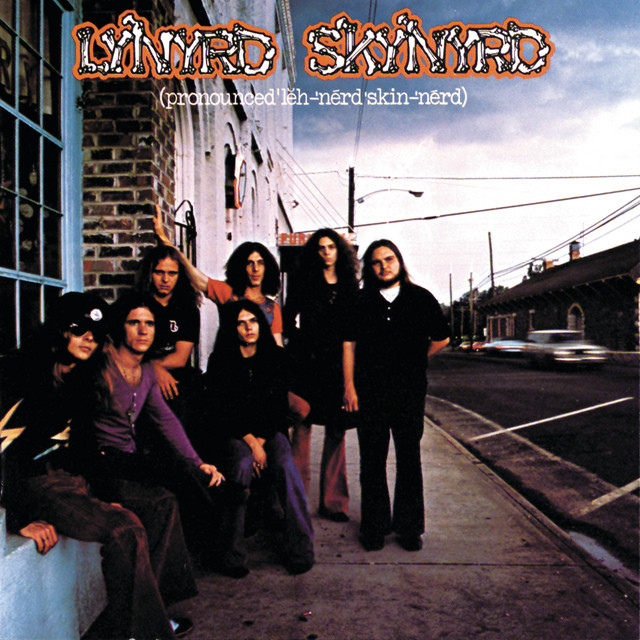
Pronounced' Leh-'Nerd 'Skin-'Nerd
Lynyrd Skynyrd
1970
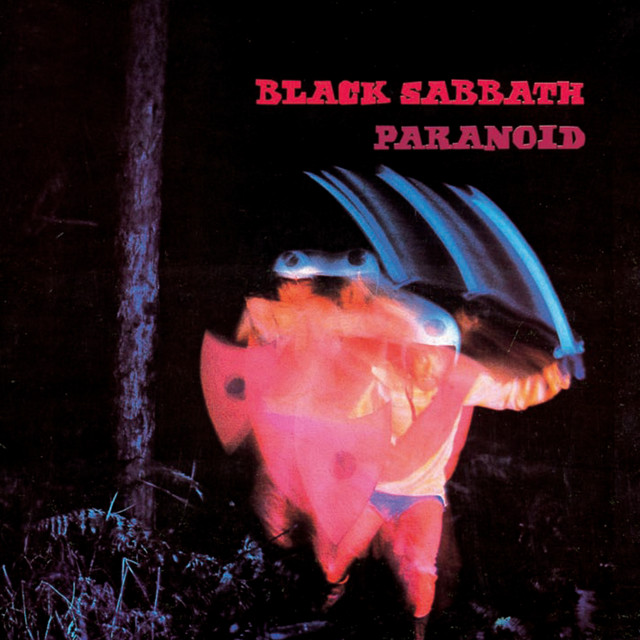
Paranoid
Black Sabbath
1976
Boston
Boston
1970
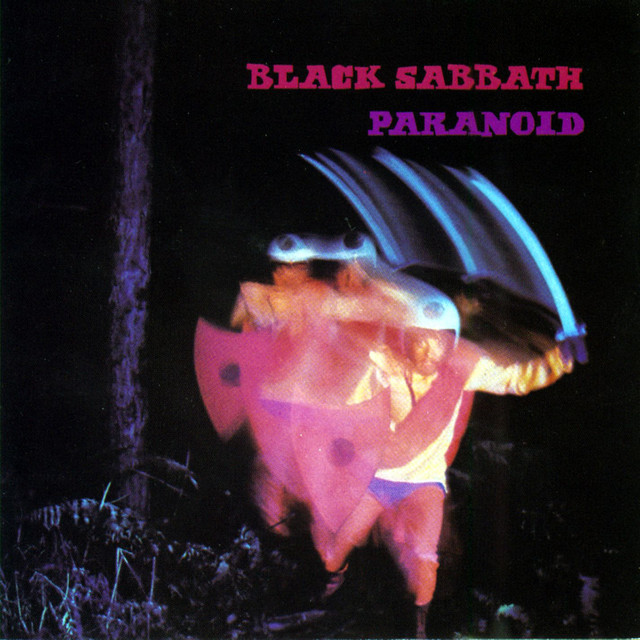
Paranoid
Black Sabbath
1985
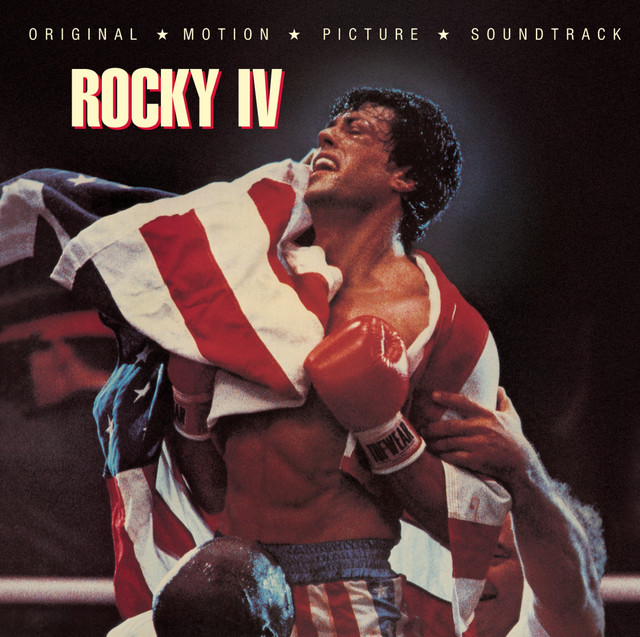
Rocky IV: Original Motion Picture Soundtrack
Various Artists, Yankovic, Weird Al, CAKE, Yankovic, Weird Al, Tool, Tool, CAKE…
Download our mobile app
Get the Melodigging app and start digging for new genres on the go
Download on the App Store
Get it on Google Play
© 2026 Melodigging
Give feedback
Legal
Melodding was created as a tribute to
Every Noise at Once
, which inspired us to help curious minds keep digging into music's ever-evolving genres.