Your digging level

For this genre
0/8
🏆
Sign in, then listen to this genre to level up

Description

Welsh folk music is the traditional music of Wales, encompassing songs, dances, and instrumental tunes that have been passed down through oral tradition and later collected in written and recorded form.

It includes Welsh-language and English-language repertories such as narrative ballads, lyrical love songs, hymns and carols (including plygain traditions), and lively dance tunes associated with community dancing.

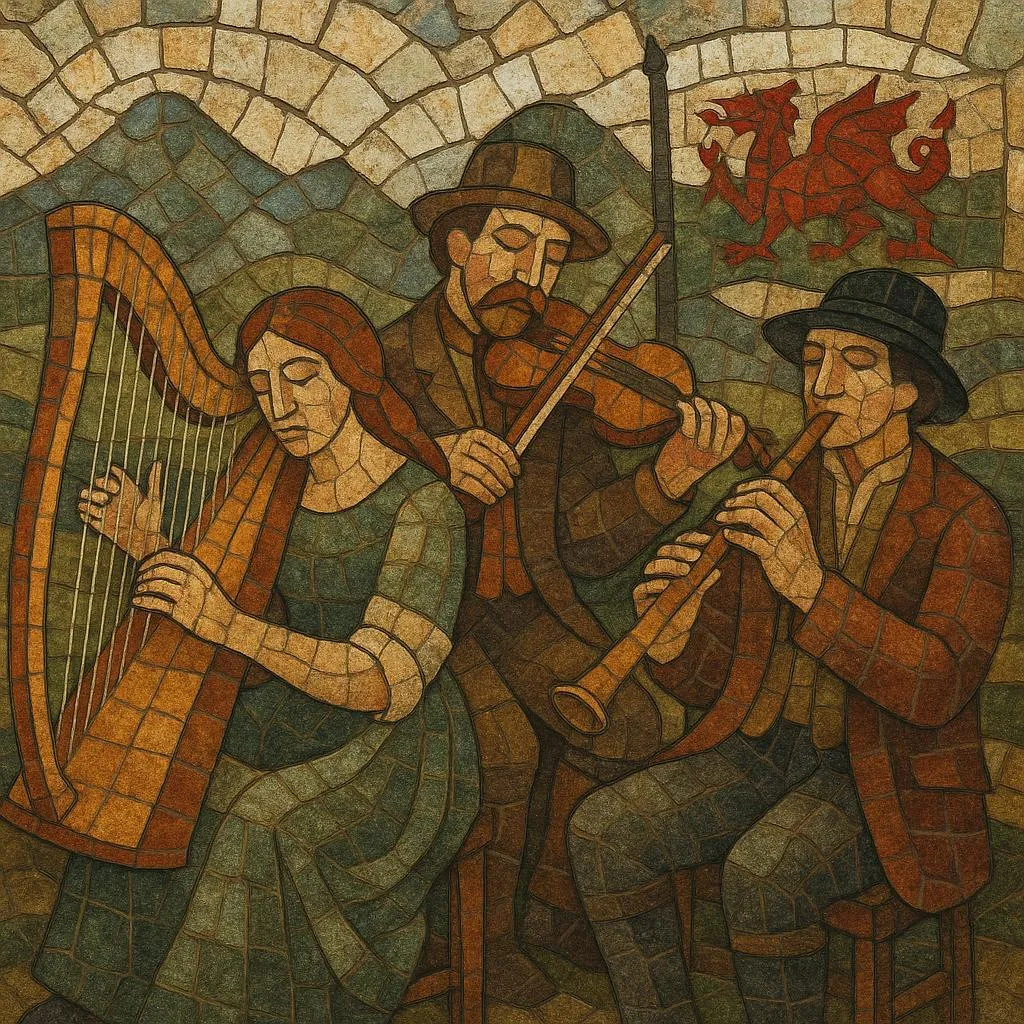
The style is strongly associated with communal singing, close vocal harmony, and a distinctive melodic character shaped by older modal practice as well as later hymnody and popular song. Instrumentally, it is often linked to the triple harp (telyn deires), fiddles, flutes/whistles, and later folk-revival band lineups.


Sources: Spotify, Wikipedia, Discogs, RYM, MB, user feedback and other online sources

History

Roots and early documentation (1800s)

Welsh folk music grew out of older Welsh-language song and dance traditions, many of which were sustained through local communities, seasonal customs, and domestic music-making.

During the 1800s, collectors and musicians increasingly documented Welsh airs and songs, helping preserve repertories that might otherwise have remained purely oral.

Choral culture and hymn influence (1800s–1900s)

Wales developed a strong public culture of singing through chapels, choirs, and eisteddfodau (competitive cultural festivals). This environment influenced how folk songs were performed and remembered, often emphasizing clear melody, strong diction, and harmony singing.

Folk revival and modernization (1900s)

In the 20th century, a wider folk revival renewed interest in Welsh traditional music, bringing older songs back into performance and encouraging new compositions in Welsh that fit traditional aesthetics.

Artists and ensembles began arranging traditional material for modern stage and recording contexts, sometimes blending it with broader Celtic and British folk approaches.

Contemporary scene (late 1900s–2000s)

More recent performers have continued to balance archival material with living traditions, including Welsh-language songwriting, reinterpretations of harp and vocal repertory, and collaborations across Celtic music networks. The genre remains closely tied to cultural identity and the Welsh language.

How to make a track in this genre

Core sound and instrumentation
•   Center the arrangement on voice and melody: Welsh folk traditions often prioritize singable, memorable tunes. •   Common instruments include triple harp (telyn deires), fiddle, flute/whistle, acoustic guitar, and occasionally accordion or simple percussion in modern ensembles. •   If writing historically minded material, feature harp arpeggiation or drone-like accompaniment under a clear melodic line.
Melody and harmony
•   Use modal flavors (especially Dorian and Mixolydian) alongside straightforward major/minor; avoid overly chromatic writing unless the song is intentionally modern. •   Keep melodic phrases balanced and vocal-friendly, often moving stepwise with occasional leaps for emphasis. •   For group singing, write close harmony (2–4 parts) that supports the lead melody; parallel thirds/sixths and strong cadential landing points work well.
Rhythm and forms
•   

Alternate between:

•   

Song forms with repeated verses and a refrain/chorus (or a recurring melodic strain).

•   

Dance-tune forms (often in repeated sections, e.g., AABB) suitable for social dancing.

•   

Rhythms are usually steady and clear; for dance material, emphasize a consistent pulse and phrasing that signals repeats.
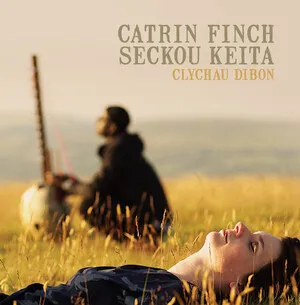
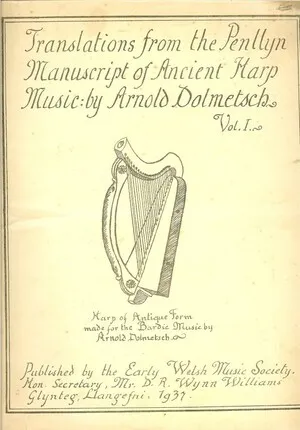
Lyrics and themes
•   Welsh-language lyrics are common and culturally central; if writing in Welsh, prioritize natural prosody so the melody follows speech stress. •   Frequent themes include landscape and place, community memory, love and longing, work and everyday life, historical narrative, and cultural identity. •   For older-styled pieces, favor vivid storytelling, refrain lines, and simple but poetic imagery.
Performance practice
•   Aim for communal energy: even in solo performance, phrasing should feel like it could be sung by a group. •   Keep ornamentation tasteful (small turns, grace notes, subtle slides), especially on fiddle or voice. •   Use dynamics to shape verses and refrains, and let the text remain intelligible above the accompaniment.

Top tracks

Locked
Share your favorite track to unlock other users’ top tracks

Upcoming concerts

in this genre
Influenced by
Has influenced

Download our mobile app

Get the Melodigging app and start digging for new genres on the go
© 2026 Melodigging
Melodding was created as a tribute to Every Noise at Once, which inspired us to help curious minds keep digging into music's ever-evolving genres.
Buy me a coffee for Melodigging