

Your digging level

For this genre
0/8
🏆
Sign in, then listen to this genre to level up

Description

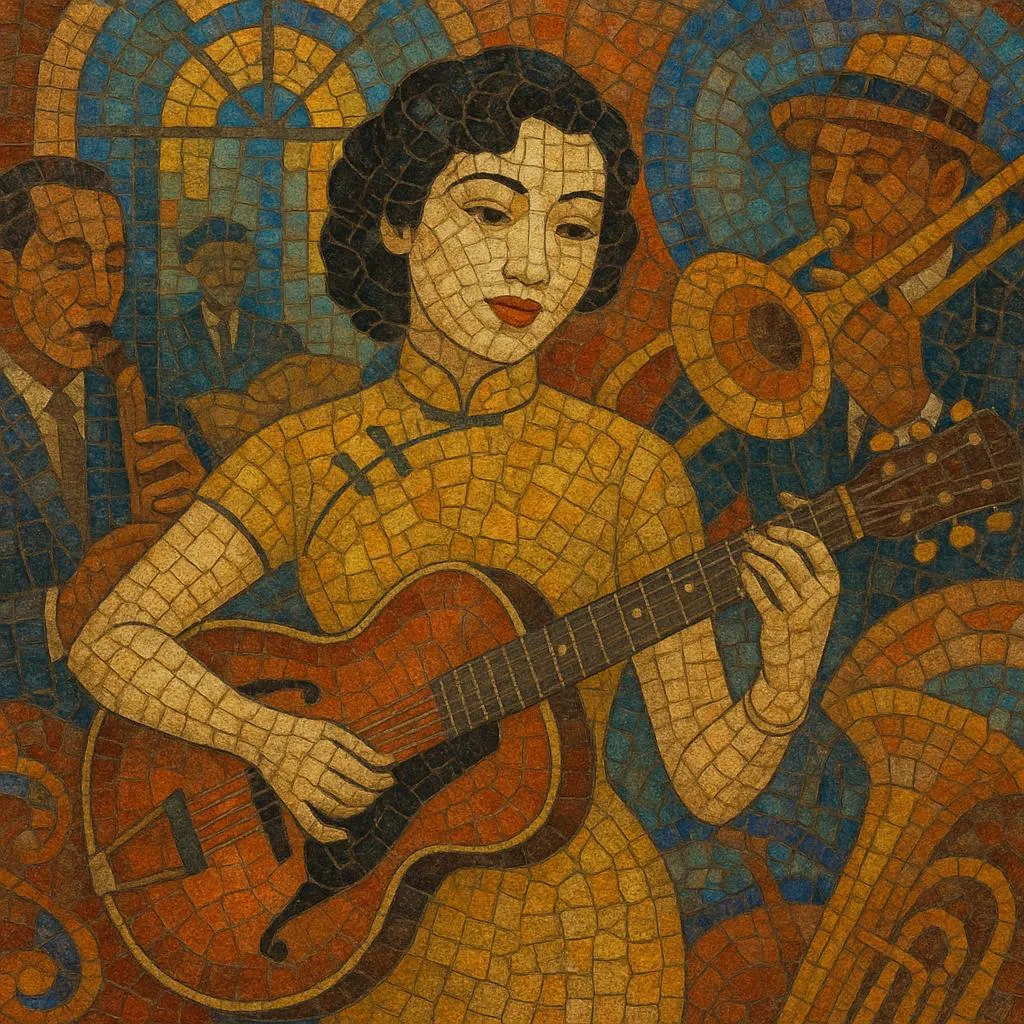
Vintage Cantonese pop refers to early Cantonese-language popular music—especially from mid‑century Hong Kong nightclubs, films, and radio—before the fully modern “Cantopop” era crystallized in the 1970s–1980s.

It blends shidaiqu’s Shanghai jazz–pop DNA with Latin dance rhythms (cha‑cha, rumba, mambo), foxtrot and swing-era big‑band arranging, plus touches of Cantonese opera inflection and Chinese pentatonic melody. Orchestras and combos favored strings, woodwinds, horns, vibraphone, and light percussion; singers used elegant crooning with clear Cantonese diction, gentle portamento, and romantic vibrato.

The sound is at once urbane and sentimental—music for supper clubs, cinema themes, and ballroom floors—whose melodic and arranging grammar seeded the later golden age of Cantopop.

Sources: Spotify, Wikipedia, Discogs, RYM, MB, user feedback and other online sources

History

Early roots (1930s–1950s)
•   Vintage Cantonese pop inherits heavily from shidaiqu (Shanghai popular song), which fused jazz harmony and Tin Pan Alley song forms with Chinese melodic sensibilities. After the late 1940s, many Shanghai musicians and arrangers moved to Hong Kong, bringing repertoire and studio craft. •   In parallel, Cantonese opera traditions and naamyam narrative singing informed diction, ornament, and melodic turns, while colonial nightlife introduced ballroom idioms—foxtrot, rumba, cha‑cha, and mambo—into local orchestras.
Nightclubs, radio, and film (1950s–1960s)
•   Hong Kong’s nightclub circuit (and Macau’s) became the core ecosystem: dinner‑jazz combos and big bands accompanied singers who alternated English standards with Cantonese and Mandarin numbers. •   Film studios commissioned title songs and interludes, spreading the style via cinema and radio. Arrangements mixed strings, reeds, muted brass, and light Latin percussion; forms were often 32‑bar AABA or strophic with instrumental interludes.
Transition toward modern Cantopop (late 1960s–1970s)
•   As television boomed and a local youth audience grew, the language center of gravity shifted decisively to Cantonese. Songwriters adopted more colloquial lyrics and contemporary pop/rock grooves while retaining vintage harmonic and arranging tropes (lush strings, jazz voicings). •   Artists such as Sam Hui and Roman Tam bridged eras, and TV theme songs (later hallmark of Hong Kong pop) adapted the vintage ballad/swing palette to a mass market, laying the foundation for the golden age of Cantopop in the late 1970s–1980s.
Legacy and revival
•   The repertoire remains a touchstone for nostalgia programs, vinyl reissues, and retro‑styled reinterpretations. Its arranging language—light Latin rhythms, jazz‑tinged chords, and elegant crooning—continues to inform ballads, TV themes, and heritage concerts across the Cantonese pop world.

How to make a track in this genre

Instrumentation and texture
•   Use a light orchestra or combo: strings (violins/viola), woodwinds (clarinet/flute), muted trumpets/trombones, guitar, upright bass, piano, vibraphone, and brush kit. Add Latin percussion (congas, bongos, claves) sparingly for cha‑cha/rumba feel. •   Aim for elegant, airy textures: strings in divisi pads, reeds for countermelodies, and soft brass backgrounds. Occasional instrumental solos (clarinet, muted trumpet, or vibraphone) reinforce the period feel.
Rhythm and form
•   Common grooves: foxtrot (moderate 4/4 swing), cha‑cha (syncopated 4/4 with clave), rumba/mambo accents; gentle swing or slow ballad meters for torch songs. •   Song forms: 32‑bar AABA, ABAB with an instrumental middle‑eight, or strophic verse–refrain. Introduce a short instrumental intro and tag/coda to bookend the vocal.
Harmony and melody
•   Harmonies borrow from jazz and traditional pop: ii–V–I cadences, secondary dominants, tritone substitutions used tastefully. Keep functional tonality clear and voice‑lead smoothly in the strings. •   Melodies often lean pentatonic but incorporate chromatic approach notes. Allow tasteful portamento and ornamental turns echoing Cantonese opera phrasing, while keeping line contours singable.
Vocal delivery and lyrics
•   Crooning style with clear Cantonese diction, warm vibrato, and restrained dynamics; close‑miked intimacy suits ballads. •   Lyric themes: urban romance, bittersweet nostalgia, nocturnal cityscapes, refined glamour. Favor concise imagery and end‑rhymes natural to Cantonese tones; avoid overly dense text to preserve vocal legato.
Production tips
•   Go for analog warmth: plate/chamber reverb, gentle tape saturation, and narrow stereo spreads on strings/choir. Keep percussion forward enough to imply danceability without overpowering the vocal. •   Orchestrate dynamic arcs: start sparse (piano, bass, brushes), add strings/reeds by the second verse, and reserve brass swells for the bridge or final refrain.

Top tracks

Locked
Share your favorite track to unlock other users’ top tracks

Upcoming concerts

in this genre
Influenced by
Has influenced

Download our mobile app

Get the Melodigging app and start digging for new genres on the go
© 2026 Melodigging
Melodding was created as a tribute to Every Noise at Once, which inspired us to help curious minds keep digging into music's ever-evolving genres.
Buy me a coffee for Melodigging
