Your digging level
Description
Ülkücü şarkılar ("songs of the Ülkücü movement") are Turkish nationalist anthems and songs associated with the Grey Wolves (Ülkü Ocakları) and the broader Ülkücü/MHP current.
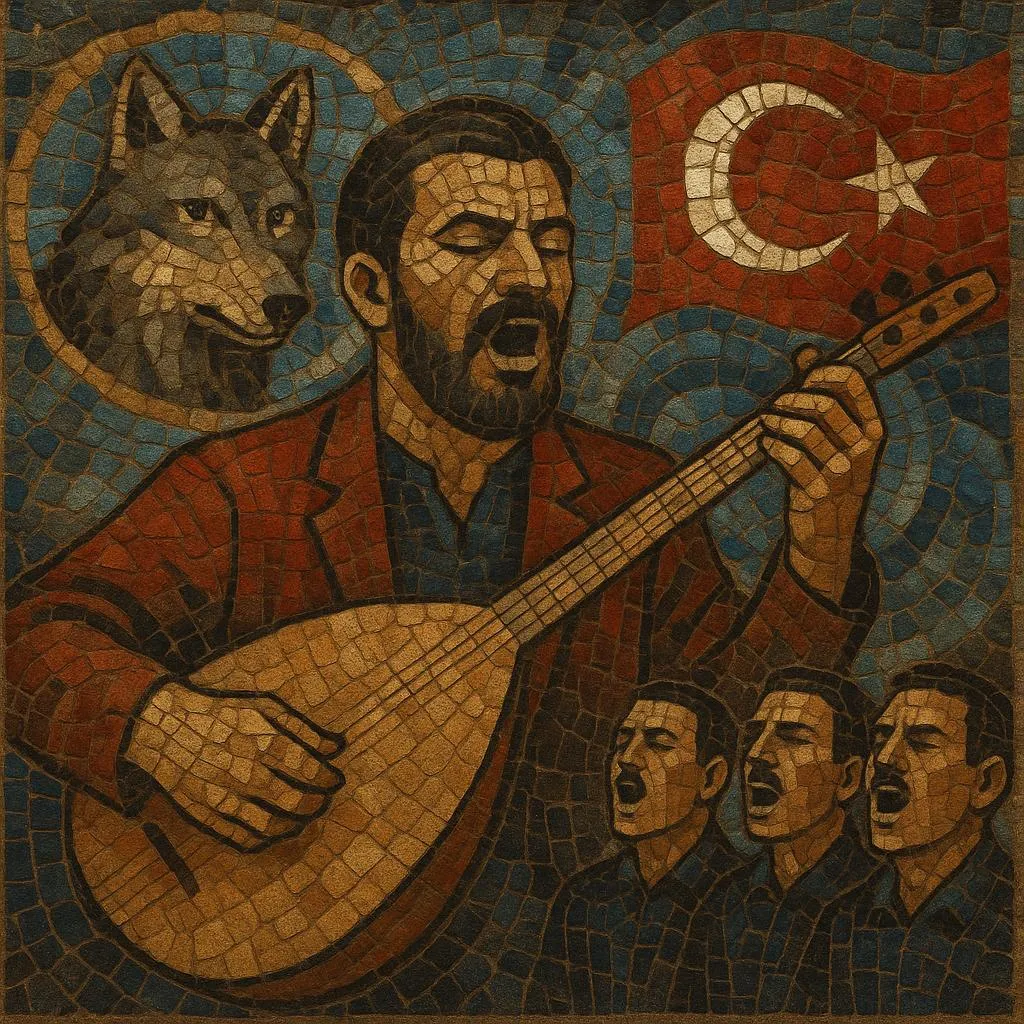
Musically, they blend Turkish folk (bağlama/saz timbres and modal melodies) with march-like rhythms, anthemic choruses, and elements of arabesk and folk‑rock. The songs often feature male choral call‑and‑response, strong snare‑drum backbeats, and soaring, melismatic vocals.
Lyrically, they glorify the homeland, martyrs (şehitler), the flag, pan‑Turkic/Turanist ideals, and moral virtues such as courage, sacrifice, and solidarity. The overall affect ranges from solemn and martial to rousing and celebratory, designed for rallies, commemorations, and movement gatherings.
History
The genre coalesced in the 1970s in Turkey amid intense political polarization. Movement bards (âşıks) and singers began crafting explicitly nationalist lyrics set to familiar Turkish folk modes and march‑like rhythms, producing songs suitable for rallies and youth organization activities linked to the Ülkücü current and the Grey Wolves. Early repertoire circulated on cassettes and at gatherings rather than through mainstream channels.
Following the 1980 military coup, much political music went underground. Ülkücü songs continued to be performed in private settings, associations, and the Turkish diaspora (especially in Western Europe), where community centers, student groups, and cultural clubs kept the repertoire alive through choirs and small ensembles.
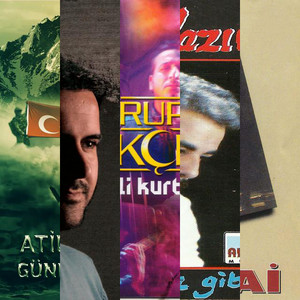
In the 1990s and 2000s, several artists associated with nationalist currents reached larger audiences, sometimes scoring mass‑market hits. Recordings embraced fuller pop/rock arrangements, while retaining bağlama, davul–zurna colors, and martial snare patterns. Anthems celebrating the nation and commemorating martyrs became staples at public ceremonies, football terraces, and political rallies.
The genre’s presence expanded on digital platforms, where iconic tracks and newly produced anthems circulate widely, especially around elections, commemorations, or geopolitical flashpoints. While supporters frame the music as patriotic and value‑affirming, critics highlight its ideological exclusivity and use in political mobilization. Musically, the palette now spans acoustic folk ballads, arena‑style anthems, and hybrid pop/rock settings, but the core hallmarks—anthemic choruses, folk modalities, and martial cadence—remain intact.