Your digging level
Description
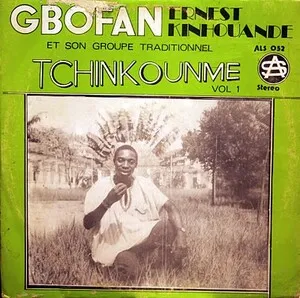
Tchinkoumé is a traditional water-percussion music from the central region of Benin, especially around Savalou in the Collines Department. Ensembles (often women’s groups) play calabashes or gourds on the surface of water—striking rims and plunging vessels to shape tone—while adding handclaps, rattles, and small bells.
The music is built on lilting 6/8 and 12/8 polyrhythms, responsorial (call-and-response) singing in local languages (notably Mahi/Fon, and in some areas Yoruba), and cyclical grooves suited to communal dance. Tchinkoumé accompanies social rites, harvest festivities, and community gatherings, and its buoyant pulse and aquatic timbres have become emblematic of Savalou’s musical identity.
History
Tchinkoumé emerged among communities around Savalou (central Benin) as a participatory village music. Its signature sound comes from calabashes and bowls played directly on water (ponds, basins, or rivers), producing resonant slaps, splashes, and pitched glugs. The music accompanies life-cycle events, agricultural celebrations, and neighborhood festivities, with dance and call-and-response singing fostering collective participation.
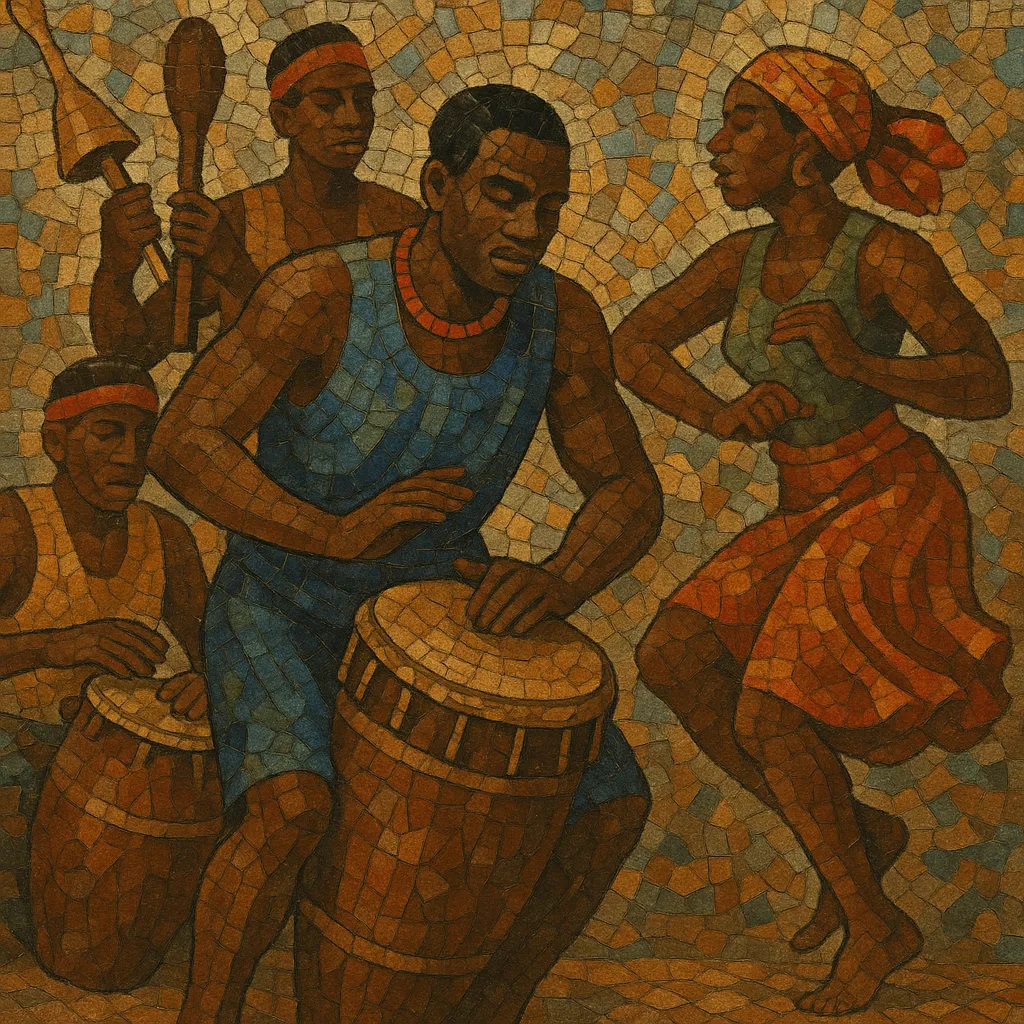
Players use large calabashes and enamel basins or natural water sources. Tone is shaped by changing the angle, rim contact, and degree of immersion, creating a spectrum from dry rim clicks to deep, water-damped thumps. Handclaps, shakers (e.g., shekere), and small bells enrich the interlocking 6/8 and 12/8 patterns. Lead singers cue verses, answered by a chorus, all riding a gently propulsive groove ideal for circle and line dances.
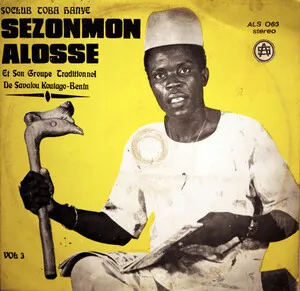
During the late colonial and early independence eras, folklore troupes from Savalou began presenting tchinkoumé on regional stages and national radio, translating a community ceremony music into a stageable idiom. Standardized ensembles, costuming, and repertory helped codify the style while retaining the water-percussion core.
From the 1990s onward, urban musicians in Cotonou and Porto-Novo referenced tchinkoumé rhythms in studio productions. This process fed directly into the emergence of “tchink system” (a Beninese pop style built on traditional rhythms), while singers and bands across Benin and the diaspora have sampled water-percussion textures for worldbeat and roots-pop. Today, tchinkoumé thrives both as a living village practice and as a symbolic rhythmic source in Beninese popular music, supported by cultural festivals and pedagogy in community arts centers around Savalou.

%2C%20Cover%20art.webp)