Your digging level

For this genre
0/8
🏆
Sign in, then listen to this genre to level up

Description

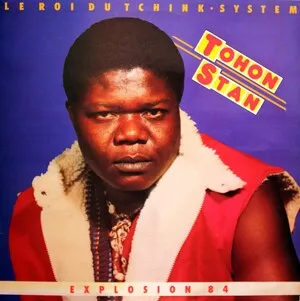
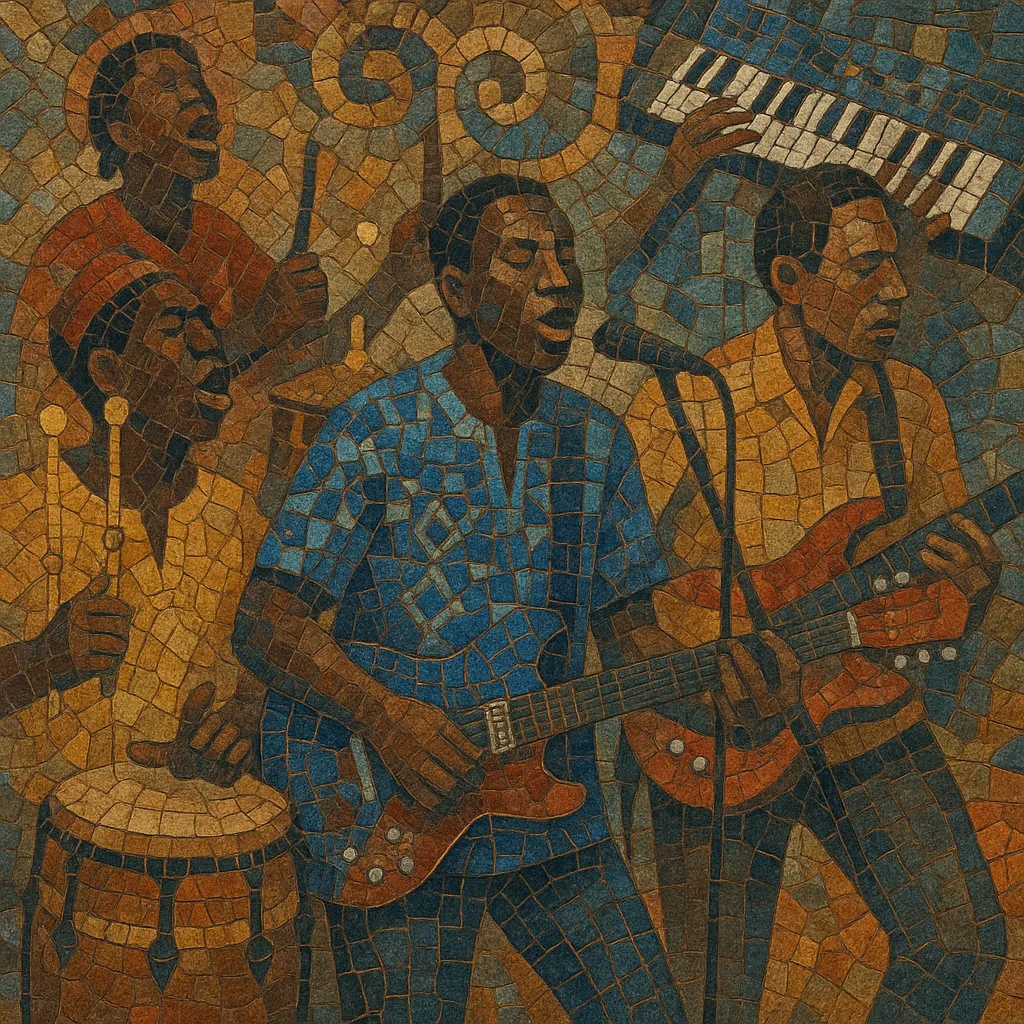
Tchink System is a modern Beninese dance‑music style that electrifies the traditional tchinkoumé rhythm and other local drum idioms with guitars, horns, synthesizers, and a tight, party‑ready groove.

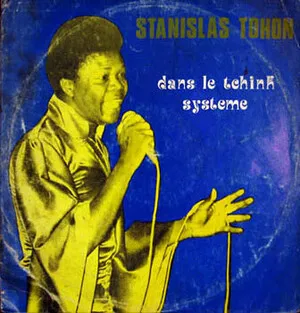
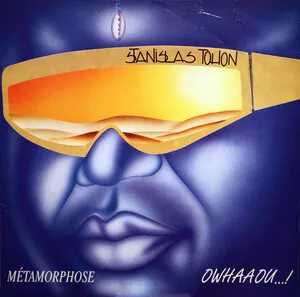
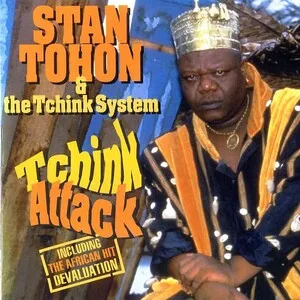
Created and popularized by Stan Tohon, the genre blends polyrhythmic percussion from southern Benin (notably Fon and related traditions) with highlife and soukous guitar figures, jùjú’s fluid percussion, and the punch of Afrobeat horn writing. Songs typically feature call‑and‑response vocals in Fon, Yoruba, Mina, and French, steady 12/8 or lilting 4/4 feels, and bright, cyclical basslines that keep dancers moving.

The result is a celebratory, community‑minded sound that honors village rhythms while thriving on urban stages, radio, and festivals across West Africa.


Sources: Spotify, Wikipedia, Discogs, Rate Your Music, MusicBrainz, and other online sources

History

Origins (late 1970s–1980s)

Tchink System emerged in Benin in the 1980s as bandleader and singer Stan Tohon modernized the traditional tchinkoumé drum rhythm. Drawing on the bustling cross‑currents of West African popular music, he fused village percussion patterns with the guitar fluency of highlife and soukous, the layered percussion sensibility of jùjú, and Afrobeat’s horn‑driven energy. This fusion created a distinctly Beninese dance sound that retained a traditional heartbeat while embracing contemporary instruments and stagecraft.

Popularization and Recording Era (1990s)

Through touring and recording, Tohon’s arrangements codified the style: interlocking percussion, choppy rhythm guitars, buoyant basslines, and sing‑along refrains. Urban bands in Cotonou and Porto‑Novo adopted the format, and the style circulated on cassettes and radio, standing alongside Benin’s other modern styles and the long shadow of earlier funk and Afrobeat pioneers.

2000s–2010s: Consolidation and Renewal

As Beninese pop diversified, Tchink System remained a reliable dance engine for concerts, ceremonies, and festivals. Younger performers incorporated brighter synths, tighter drum‑machine layers, and contemporary mix techniques while keeping the core percussion language and call‑and‑response vocals. The sound also traveled with the Beninese diaspora, sustaining its profile on regional stages.

Legacy

Tchink System is now recognized as a signature Beninese modern style: a model for how to translate local drum traditions into amplified, horn‑and‑guitar dance music without losing cultural identity. Its repertoire continues to inspire Beninese performers and informs the rhythmic DNA of many local pop recordings.

How to make a track in this genre

Rhythm and Tempo
•   Center the groove on a lilting 12/8 (or a swung 4/4) derived from tchinkoumé; keep a clear bell pattern and interlocking shaker/conga parts. •   Typical dance tempi range from about 100–125 BPM; let percussion feel slightly ahead of the beat to drive dancers.
Instrumentation
•   Core: drum kit (light, off‑beat hi‑hat feel), traditional percussion (bell, shekere, congas/hand drums), electric bass, two electric guitars (one choppy rhythm, one melodic riffs/sebene), and a compact horn section (trumpet/trombone/sax). •   Keys/synths: bright comping (organ, electric piano) and occasional synth brass for hooks; keep patches warm and percussive, not cluttered.
Harmony and Melody
•   Use concise, modal progressions (I–IV–V, I–V–IV) that leave space for rhythmic drive. •   Guitars play repetitive, highlife/soukous‑influenced ostinati; horns state short, memorable call‑and‑response hooks with the vocals.
Vocals and Lyrics
•   Call‑and‑response is essential: a lead vocalist answers or cues a small chorus. •   Languages often include Fon, Yoruba, Mina, and French; themes celebrate community, dance, social advice, and everyday stories.
Arrangement and Form
•   Intro with percussion and a signature bell or “tchink” accent; stack bass and rhythm guitar before adding lead guitar and horns. •   Alternate verses with chorus/refren driven by horns; add a mid‑song percussion break or short sebene‑style guitar vamp to re‑energize dancers.
Production Tips
•   Mix percussion slightly forward with a tight, dry kick; keep bass round and present but not overpowering. •   Pan interlocking guitars left/right; place horns center‑left/right in concise, unison or simple harmony lines. •   Preserve live feel: small crowd responses and handclaps enhance the communal vibe.

Top tracks

Locked
Share your favorite track to unlock other users’ top tracks
Influenced by
Has influenced
Challenges
Digger Battle
Let's see who can find the best track in this genre
© 2026 Melodigging
Melodding was created as a tribute to Every Noise at Once, which inspired us to help curious minds keep digging into music's ever-evolving genres.
Buy me a coffee for Melodigging