Your digging level
Description
Beninese pop is the contemporary popular music of Benin that blends West African rhythms and languages with modern Afrobeats, highlife-inspired guitar figures, and hip‑hop/R&B production aesthetics.
It typically features hook-driven choruses in French, Fon, Yoruba, and occasionally English, syncopated dance grooves, and polished digital production. While it shares a regional DNA with Nigerian and Ivorian mainstream styles, Beninese pop retains distinctive local flavors by drawing on traditional patterns such as zinli and tchinkoumé/tchink system, as well as call‑and‑response vocals and percussion-forward textures.
The result is a vibrant, radio‑friendly sound designed for clubs, festivals, and streaming, equally suited to romantic themes, feel‑good celebration, and aspirational storytelling.
History
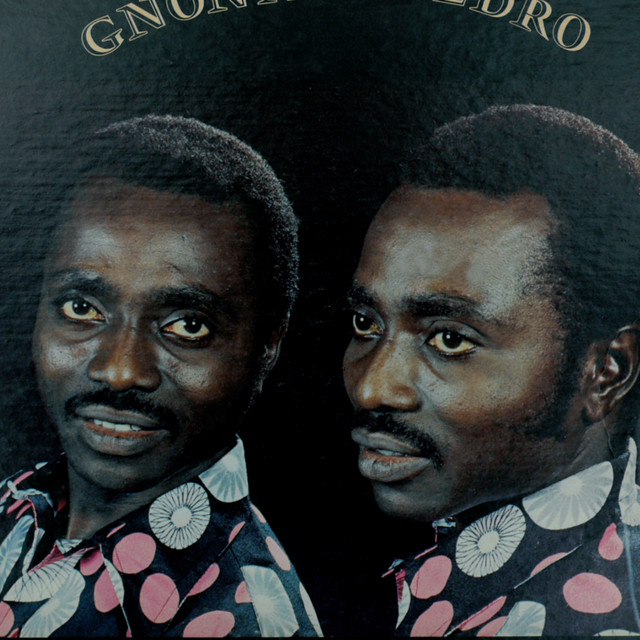
Benin’s modern pop draws lineage from the country’s earlier urban styles. The 1970s and 1980s afro‑funk and afrobeat era—led by bands like Orchestre Poly‑Rythmo de Cotonou—and the disco/pop work of Nel Oliver established a template of guitar riffs, polyrhythms, and cosmopolitan songwriting. Parallel to this, traditional forms such as zinli (Fon) and agbadza (Ewe) continued to shape rhythmic sensibilities in social and ceremonial contexts.
In the 2000s, a new generation of artists began fusing local rhythms and languages with continental trends—highlife‑tinged guitars, Ivorian coupé‑décalé’s kinetic energy, and the rising Nigerian Afrobeats sound. The locally rooted urban style known as the tchink system (itself inspired by the traditional tchinkoumé rhythm) provided a uniquely Beninese groove that many pop acts adapted for mainstream appeal. Growing access to studios, radio, and VCD/DVD circulation helped the scene coalesce around Cotonou and other urban hubs.
As Afrobeats rose across West Africa in the 2010s, Beninese pop consolidated a polished, club‑ready identity. Artists released singles with catchy hooks in French and local languages, adopted contemporary hip‑hop/R&B vocal production (including light Auto‑Tune), and emphasized dance‑floor bounce near 95–110 BPM. Cross‑border collaboration with neighboring Nigeria and Togo increased, and music videos on YouTube and pan‑African TV channels amplified reach.
Streaming platforms and social media further internationalized Beninese pop. Producers increasingly hybridize palettes—folding in elements of amapiano bass textures, Afroswing phrasing, and pan‑African percussion—while keeping Beninese rhythmic DNA audible. The scene now spans radio‑friendly romance, motivational anthems, and club‑driven singles, with live performances retaining call‑and‑response energy drawn from local traditions.