Your digging level
Description
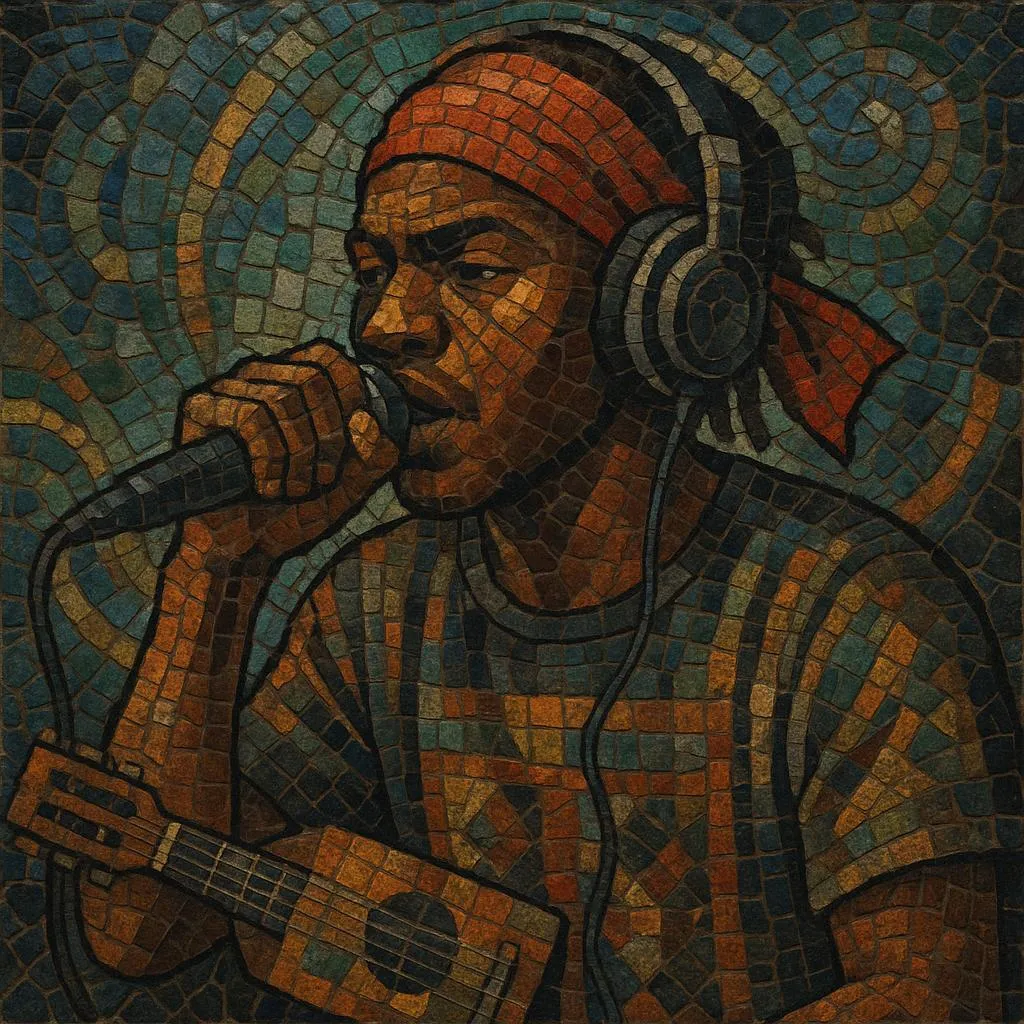
Rap gasy is the Malagasy take on hip hop, delivered primarily in Malagasy (with frequent code‑switching into French) and shaped by local rhythms and instruments. It keeps the core aesthetics of global rap—MCs, beats, sampling, and DJ culture—while weaving in regional grooves and timbres.
Typical production ranges from classic boom‑bap and golden‑era influences to contemporary trap and drill textures. Producers often blend 4/4 hip‑hop drums with Malagasy rhythmic feels and sometimes sample or emulate instruments such as the kabosy (small box guitar), valiha or marovany (tube/box zithers), and sodina (end‑blown flute). Lyrically, rap gasy spans social commentary (life in Antananarivo and other cities, inequality, hustle culture, politics) and party‑oriented tracks rooted in community gatherings and street culture.
![Bravo - Mason'Aloka 301 Madagascariensis [ RAP GASY 2025 ]](https://i.ytimg.com/vi/HY4CRiFxKf0/hqdefault.jpg)
History
Hip hop culture reached Madagascar in the early–mid 1990s through radio, TV, tapes, and the Francophone connection, especially from France. Youth in Antananarivo (and later Toamasina, Antsiranana, Mahajanga, Fianarantsoa, and Toliara) adopted MCing, breakdance, and graffiti, forming neighborhood crews and performing at school events and community halls. Early beats leaned on boom‑bap and French rap aesthetics, while the first singles and mixtapes established Malagasy as a natural language for rap.
Throughout the 2000s, the scene diversified. Producers began fusing hip hop drums with Malagasy rhythmic sensibilities and timbres—borrowing drive from tsapiky and the rolling energy of salegy‑style guitar figures, and occasionally featuring kabosy, valiha/marovany, and sodina in samples or live overdubs. Independent studios and low‑cost DAWs nurtured a DIY ecosystem, and rap gasy spread from the capital to coastal cities and the diaspora (notably in France), creating a two‑way exchange of sounds and themes.
YouTube, Facebook, and streaming platforms catalyzed nationwide visibility. Sonically, global trap and drill aesthetics were absorbed—808 slides, triplet hi‑hats, atmospheric pads—while many artists kept a distinctly Malagasy cadence and prosody. Lyrical content ranges from sharp social critique to feel‑good street anthems. Cross‑genre collaborations with reggae/dancehall, Afro‑pop, and spoken‑word/“slam gasy” further broadened the sound. Today, rap gasy stands as a vibrant, place‑rooted branch of African hip hop—immediately recognizable for its language, rhythmic swing, and community‑driven storytelling.