Your digging level
Description
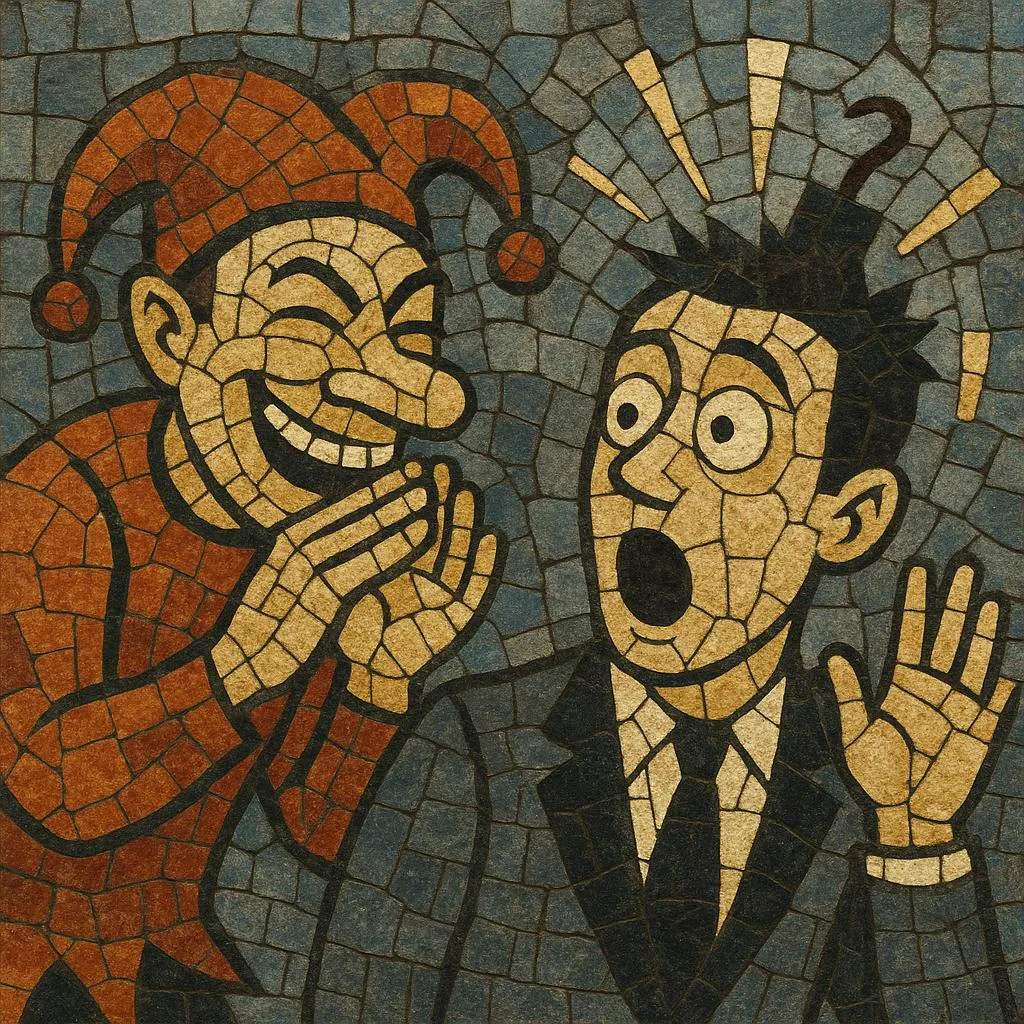
Prank is a comedy-centered audio genre built around practical jokes, hoaxes, and improvised scenarios intended to surprise, wrong‑foot, or break the composure of unsuspecting participants. While it often overlaps with sketch comedy and spoken word, prank recordings foreground the setup–twist–payoff structure of a practical joke rather than a scripted scene.
In released audio, pranks commonly appear as phone calls, man‑on‑the‑street ambushes, character‑voice routines, and satirical media stunts. Production ranges from raw, one‑take recordings to heavily edited pieces that use sound effects, pitch shifting, and collage techniques to heighten the absurdity or to conceal identities. As a commercial genre, prank accelerated in the 1990s when cassette/CD collections of prank phone calls and shock‑jock radio segments began charting, then evolved again in the 2000s–2010s through internet-native creators and soundboard culture.
History
Radio’s candid formats laid the groundwork: Allen Funt’s “Candid Microphone” (1947, USA) demonstrated that surprise interactions could carry an audio show, while street-interview tricksters like Coyle & Sharpe (1960s) turned socially awkward setups into performance art. Underground tape trading of hoax calls (e.g., the 1970s Tube Bar tapes) circulated pranks informally long before retail releases.
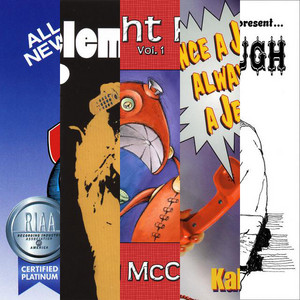
The prank genre crystallized in the 1990s when dedicated prank-call albums became bestsellers. Acts such as The Jerky Boys, Roy D. Mercer, Touch‑Tone Terrorists, and shock‑jock radio entourages turned hidden‑recorder mischief into charting comedy products. The format’s appeal combined character voices, escalating stakes, and expertly timed reveals, all suited to cassette/CD compilations and radio syndication.
Broadband distribution and portable recorders shifted pranks online. Longmont Potion Castle fused prank calling with surreal processing and experimental sound design; YouTube‑era performers (e.g., Ownage Pranks) professionalized character rosters, call routing, and bilingual bits. Soundboard pranks, mashups, and culture‑jamming intersected with meme communities, while media stunts by groups like Negativland blurred prank, satire, and sound collage.
Prank persists as a niche but stable audio comedy lane. It overlaps with podcasting, livestream culture, and meme‑driven editing, while ongoing ethical debates (consent, harassment, defamation, platform policy) shape best practices and release norms.