Your digging level
Description
Piada is a Brazilian spoken-humor genre centered on short, self-contained jokes delivered as monologues or brief vignettes. The content typically follows a tight setup–punchline structure, relying on timing, wordplay, character voices, and innuendo rather than musical accompaniment.
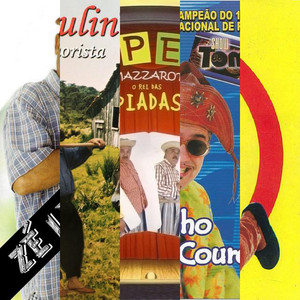
Historically distributed via radio bits, 7-inch and LP “discos de piadas,” cassette compilations, and later CDs, DVDs, and viral voice notes, piada recordings range from clean, family-friendly gags to risqué “piadas de duplo sentido.” While not inherently musical, piada albums and tracks are cataloged alongside music because they use the same audio formats, markets, and distribution channels as popular music in Brazil.
History
Brazilian radio variety shows and theater comedy popularized quickfire gags and character bits. Radio announcers and humorists would insert very short jokes (“piadas”) between songs, advertisements, and sketches, habituating audiences to the format of compact, standalone humor in audio.
As the LP and cassette markets expanded, comedians released dedicated joke records—often compilations of 30–100 micro-tracks, each capturing one piada. These albums traveled nationwide through record shops, street vendors, and mail order. Delivery was dry and punchy, with minimal foley (a rimshot, crowd noise, or a laugh track) used sparingly to preserve timing. This period cemented the piada as a collectible audio product separate from full sketch albums.
Television programs (e.g., plaza-style bench shows and variety comedy) elevated regional storytellers and “matuto” archetypes who specialized in salon-jokes (“piadas de salão”) on camera and record. Many comedians issued both live standup releases and studio piada compilations, blending concise gagcraft with character-driven delivery.
Smartphones and messaging apps turned the piada into a natively shareable audio meme. Short voice notes, YouTube clips, and podcast minis revived the micro-joke as an everyday social object. While some material updated to contemporary mores, the genre also reckoned with legacy stereotypes, pushing newer practitioners toward cleaner, observational, and inclusive humor while retaining the compact audio-first format.