Your digging level
Description
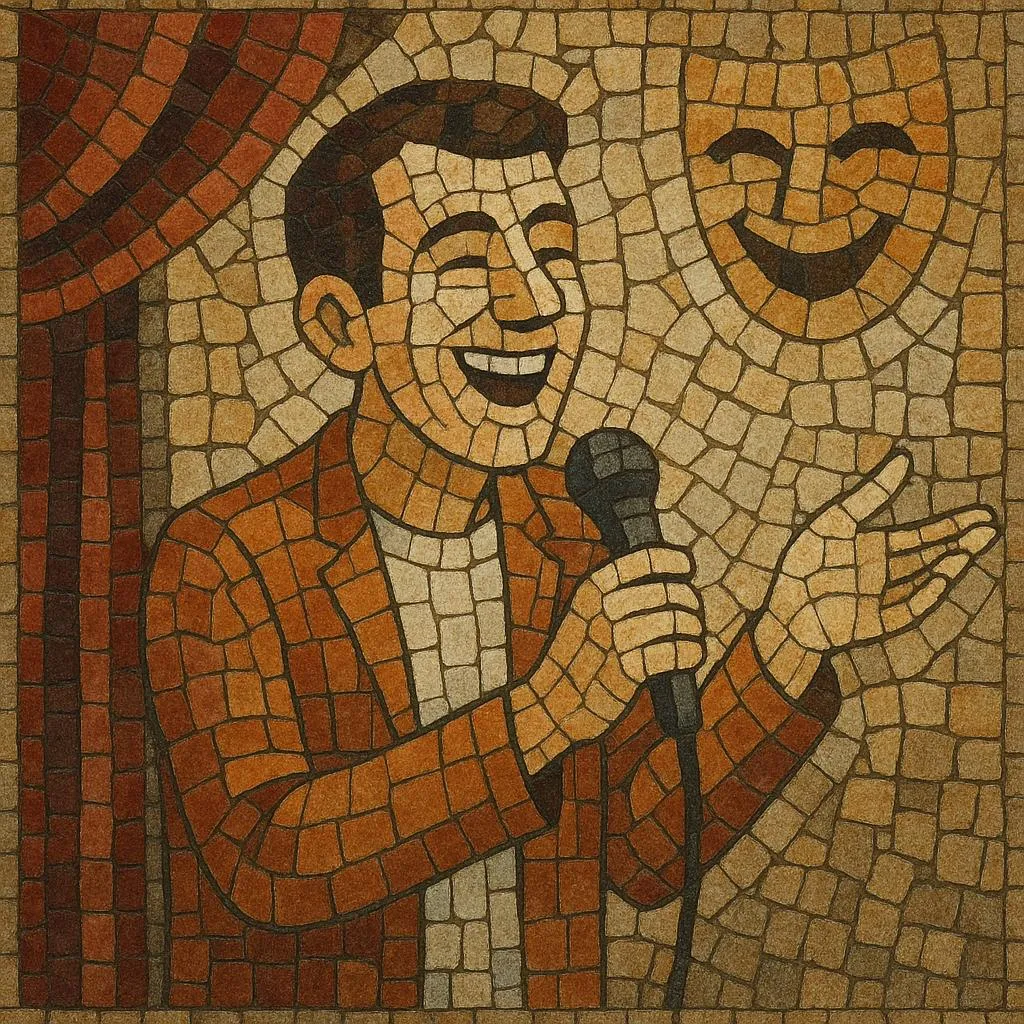
Clean comedy is a branch of stand‑up and spoken‑word humor that intentionally avoids profanity, explicit sexual material, and derogatory or insulting content. Its focus is on relatable, observational setups, storytelling, wordplay, and character work that can be enjoyed by broad audiences, including families.
The style flourished alongside mid‑century American mass media, where broadcast standards favored non‑explicit language and inclusive themes. Today it thrives in clubs, theaters, corporate events, schools, and faith‑based venues, as well as on radio and streaming platforms that tag non‑explicit content. Clean comedy is not a distinct joke structure so much as a set of content constraints and a tone: clever, accessible, and respectful without sacrificing surprise, specificity, or comic rhythm.
History
Clean, family‑friendly humor predates modern stand‑up and can be traced to vaudeville and music hall traditions, where variety acts used quick patter, physical gags, and lighthearted songs suitable for mixed audiences. Early radio and live revues codified concise, non‑explicit timing and formats.
Network radio and television standards required non‑explicit language, effectively institutionalizing a clean mode of delivery. Comics refined observational, character‑based, and story‑driven material that could pass censors yet keep punch. Comedy LPs and TV sets broadened reach and helped define the market for clean, conversational stand‑up.
As club circuits expanded, many comics opted for universal sets to book festivals, talk shows, and corporate gigs. Clean albums became staples on terrestrial radio and later satellite channels that curated non‑explicit comedy, reinforcing an audience expectation for clever jokes without coarse language.
Streaming and podcasting enabled targeted discovery of family‑friendly sets, while school, corporate, and faith‑adjacent circuits provided reliable touring ecosystems. Social media clips, short specials, and curated “non‑explicit” playlists further normalized clean delivery as a professional edge—especially for comics aiming for maximum syndication and brand‑safe partnerships.