Your digging level

For this genre
0/8
🏆
Sign in, then listen to this genre to level up

Description

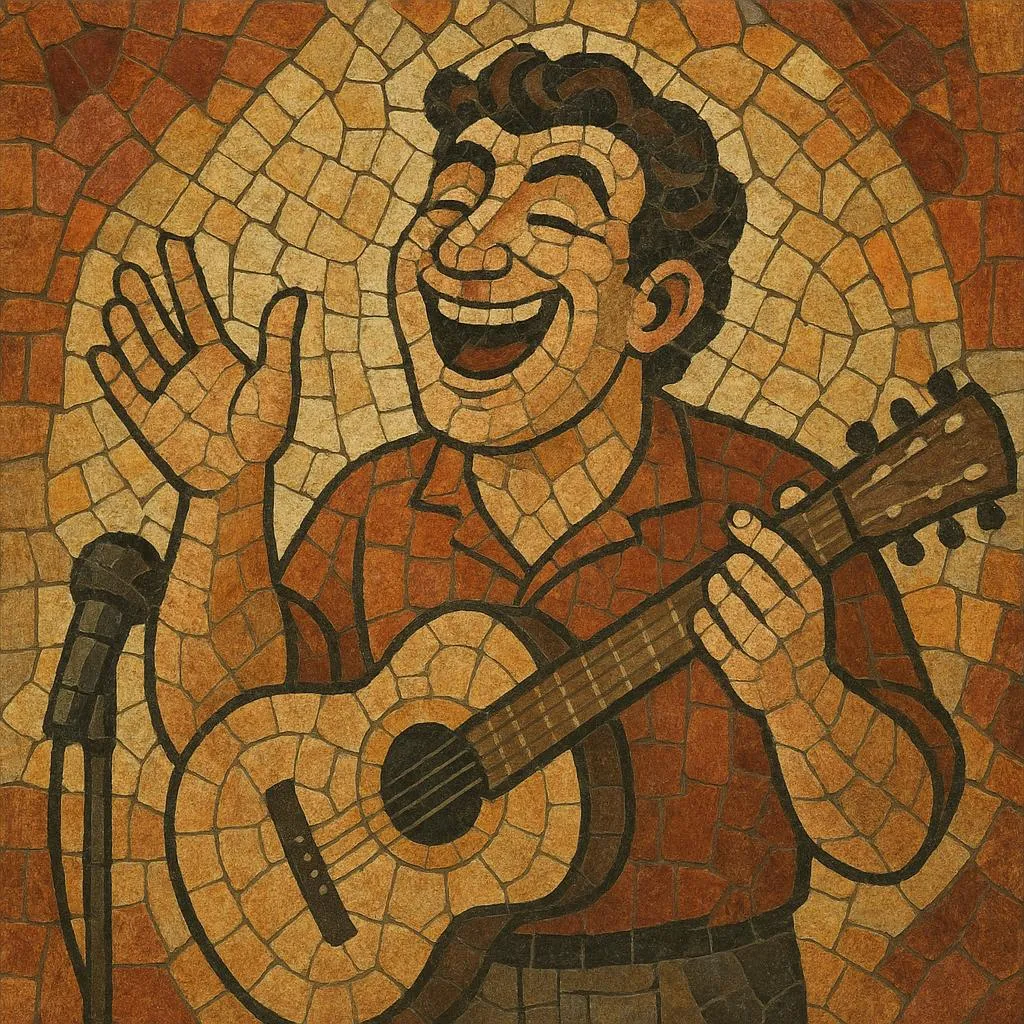
Comedia is the Spanish-language umbrella for recorded comedy—stand‑up routines, humorous monologues, sketch pieces, parodic songs, and musical humor—released as albums, singles, or digital tracks. It draws on a long tradition of stage and radio comedy in the Hispanic world, but modern “comedia” typically denotes audio-first, joke‑driven performances that work without needing the visuals of television.

While it can include fully musical numbers, its spine is spoken word: crafted setups and punchlines, everyday observations, character bits, and regional wordplay. In many Latin American scenes, performers also integrate short songs accompanied by guitar or small ensembles, blending cantautor craft with comic timing and theatrical delivery.


Sources: Spotify, Wikipedia, Discogs, RYM, MB, user feedback and other online sources

History

Early roots (1930s–1960s)

Spanish-language comedy found mass audiences first through theatre, variety shows, and radio. Sketch troupes and comic actors popularized a style based on wordplay, double meanings, and musical interludes. Radio’s intimate, voice‑forward medium established the blueprint for joke pacing and audience rapport that later recordings would emulate.

LP and cassette era (1970s–1990s)

The modern notion of “comedia” as a recorded genre coalesced in the 1970s, when comedians began issuing LPs and cassette tapes of their shows. These captured live audience reactions—laughter, applause, call‑and‑response—turning the crowd into part of the performance. Musical humor groups and solo comics released albums that traveled across borders, helping unify a pan‑Hispanic comedic vocabulary while retaining strong regional accents and idioms.

TV crossover and touring (1990s–2000s)

As television variety shows and club circuits expanded, comedians used live records and compilations to cement reputations beyond their home cities. The format diversified: some acts doubled down on observational stand‑up; others leaned into character monologues, sketch‑like audio bits, or comic songs. Portable recorders and improved PA systems made high‑fidelity live albums feasible in mid‑sized venues.

Digital era and streaming (2010s–present)

Platforms for audio streaming and short‑form video catalyzed a new wave of comedia. Comics release EPs and singles of standout bits, experiment with podcast‑adjacent storytelling, and drop studio‑crafted parody songs. Regional scenes (Southern Cone, Mexico, Andean countries, Spain) cross‑pollinate more than ever, while captions and clips help jokes travel despite local slang. The result is a flexible recorded form that can be purely spoken, fully musical, or a hybrid—so long as the comedic payoff lands in audio.

How to make a track in this genre

Core format and structure
•   Build routines around clear premises: everyday situations, regional quirks, or character perspectives. •   Use classic stand‑up architecture: setup → misdirection → punchline; escalate with tags and callbacks placed across the set or album. •   Sequence an audio release like a live show: cold open or host intro, short opener, two or three longer centerpiece bits, a musical closer or high‑energy segment.
Language and delivery
•   Exploit Spanish’s regionalisms (lunfardo, modismos, double meanings), but provide context so jokes land beyond your city. •   Vary cadence, pauses, and dynamics—silence and breath are part of the rhythm. Let laughs breathe, then re‑attack with a tag. •   Create vivid characters with timbre shifts and catchphrases so they read clearly in audio without visuals.
Musical humor (optional but common)
•   Instrumentation: voice + acoustic guitar/charango/keyboard; small percussion (shaker, cajón) to keep time without masking speech. •   Harmony and rhythm: favor simple progressions (I–V–vi–IV or I–IV–V) in upbeat feels (cueca/candombé flavors, folk-pop strums) so lyrics remain intelligible. •   Lyric craft: internal rhymes, sudden semantic pivots, and chorus hooks that flip the song’s premise at each refrain.
Recording and production
•   Capture a responsive live audience; place room mics to preserve laughter tails and applause without overpowering the mic’d voice. •   In studio bits, keep compression gentle and de‑ess for intelligibility; add subtle foley or stings only when they enhance timing. •   Edit with comedic beats in mind: leave micro‑pauses before punchlines; trim rambling setup while retaining narrative clarity.
Ethics and reach
•   Punch up, not down; avoid dated stereotypes that hurt replay value. •   Provide trimmed singles (90–150 seconds) for platforms, plus full tracks for album flow.

Top tracks

Locked
Share your favorite track to unlock other users’ top tracks

Upcoming concerts

in this genre
Influenced by
Has influenced

Download our mobile app

Get the Melodigging app and start digging for new genres on the go
© 2026 Melodigging
Melodding was created as a tribute to Every Noise at Once, which inspired us to help curious minds keep digging into music's ever-evolving genres.
Buy me a coffee for Melodigging