Your digging level
Description
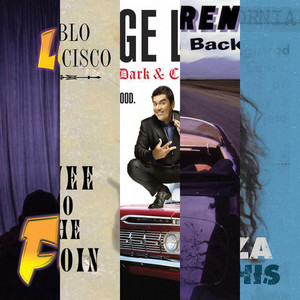
Latino comedy is a stand‑up–led comedy category centered on Latinx/Latino experience, identity, and language play (often Spanglish), presented primarily through live performance and recorded comedy albums/specials. While it is not a musical style in the strict sense, it lives in music catalogs because it’s distributed as audio albums and tracks, and often incorporates rhythmic delivery, singing snippets, impressions, and musical pastiche.
Core themes include immigration and bicultural life, family dynamics, generational clashes, regional and national specificities (Mexican American/Chicano, Puerto Rican/Nuyorican, Cuban American, Dominican American, Central and South American diasporas), Catholic upbringing, and code‑switching humor. Performance commonly blends storytelling, character work, vocal mimicry, and crowd engagement, with timing and cadence that mirror musical phrasing.
History
Latino comedy coalesced in the United States during the 1970s as Latinx performers gained visibility in mainstream clubs and on television. Early trailblazers leveraged stand‑up’s spoken‑word format to bring bilingual wordplay and Latin American household culture to wider audiences. The period set the template: confessional storytelling, family characters, and observational jokes about bicultural life.
Through the 1980s and 1990s, Latino comics headlined clubs, released comedy albums, and landed cable and network TV specials and sitcoms. Their work amplified issues of representation, recontextualizing stereotypes with insider perspective and satire. Latin music references and recognizable accents or cadences became part of the comedic palette, while club circuits in Los Angeles, New York, Miami, and the Southwest built vibrant scenes.
The 2000s saw widespread success via premium‑cable and network platforms, making Latino comedy a fixture of U.S. popular culture. Touring circuits matured, and comics released best‑selling albums and DVDs. The genre became a reliable draw in large theaters and arenas, with Spanglish routines connecting deeply to multigenerational audiences.
Streaming video and audio normalized comedy “specials” as album‑like releases and enabled bilingual or Spanish‑dominant sets to reach global listeners. Scenes in Mexico, Puerto Rico, and across Latin America cross‑pollinated with U.S. Latino scenes, while podcasts, short‑form video, and social media expanded discovery. Today, Latino comedy is a well‑defined, touring‑ready, and catalogued category within spoken‑word audio, with a transnational audience and a broad stylistic range.