Your digging level

For this genre
0/8
🏆
Sign in, then listen to this genre to level up

Description

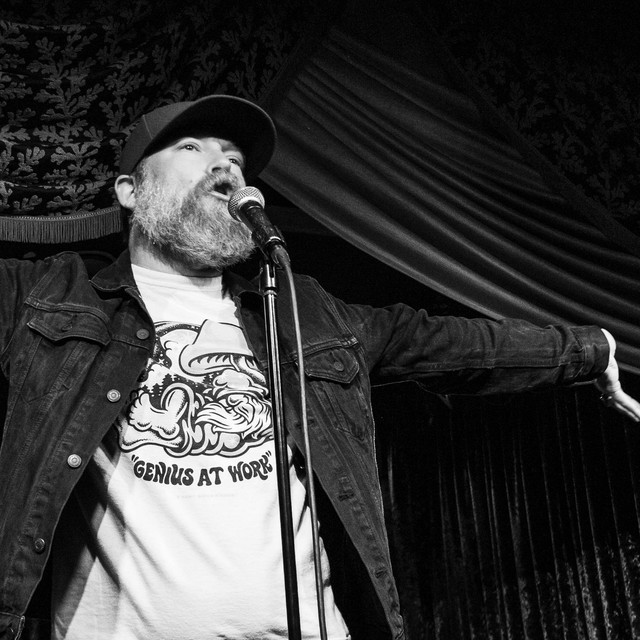
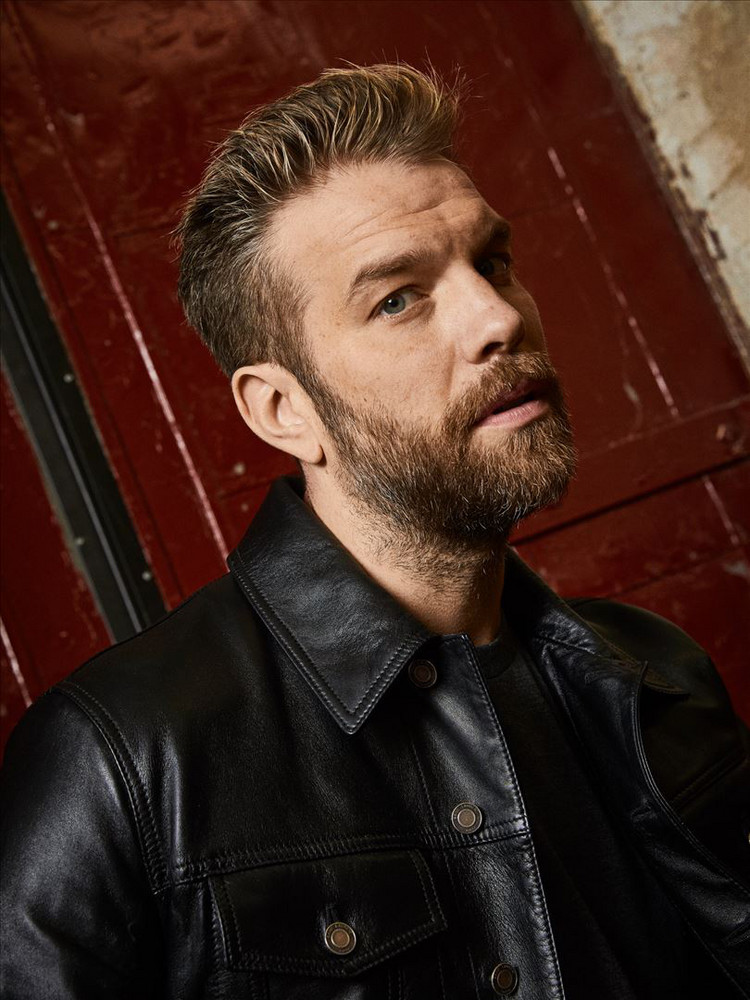
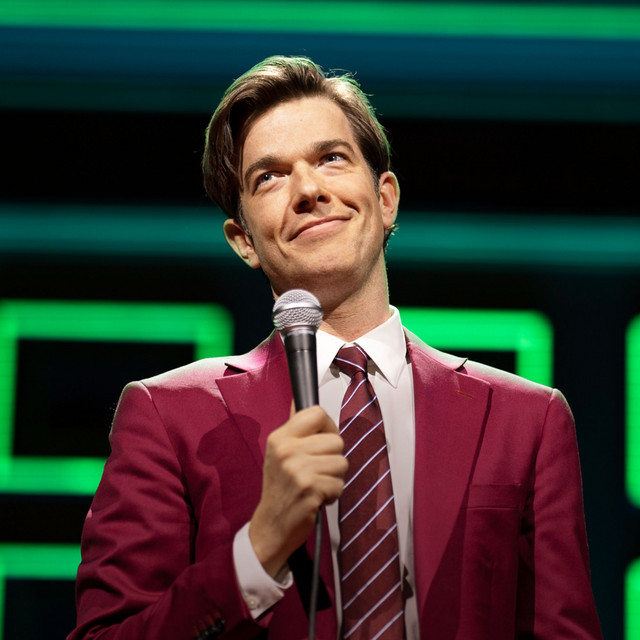
New comedy is a streaming-era wave of stand‑up and humorous spoken performance that blends classic joke craft with podcast sensibilities, autobiographical storytelling, and highly shareable short‑form clips.

It thrives on platforms that favor rapid audience discovery (streaming services, social media reels, and podcasts), and often blurs lines between traditional club sets, live albums, and long‑form specials. Compared with earlier comedy album eras, new comedy emphasizes confessional material, cultural commentary, and digital‑native pacing, while keeping the live, in‑the‑room energy of stand‑up at its core.


Sources: Spotify, Wikipedia, Discogs, RYM, MB, user feedback and other online sources

History

Origins (late 2000s–2010s)

The roots of new comedy formed as stand‑up reconnected with on‑demand video and audio. The explosion of streaming platforms and the podcast boom created new pipelines from clubs to global audiences. Comics increasingly released hour‑long specials and audio albums in parallel, while short clip culture began to function as both promotional and artistic medium.

Consolidation in the 2010s

By the mid‑2010s, comedians adopted a hybrid approach: tightly written bits interwoven with narrative arcs, confessional beats, and topical riffs refined on tour and surfaced online. Distribution shifted from label‑centric models toward direct‑to‑platform releases and self‑produced specials, lowering barriers to entry and widening stylistic diversity.

2020s and the clip economy

In the 2020s, short‑form video (crowd work exchanges, punchy observational bits) became a discovery engine, while full albums and specials served as the definitive artistic statement. Production values rose—multicam shoots, immersive room sound—yet the genre preserved a live, conversational feel. The result is a flexible, digital‑first comedy ecosystem that still prizes stagecraft and laughter density.

How to make a track in this genre

Voice and material
•   Start with a clear comedic voice: observational, confessional, or character‑driven. •   Build sets around personal narratives or strong premises; reveal specifics (names, places, stakes) to make stories vivid.
Joke architecture
•   Use classic structures: premise → misdirection → punchline, then add tags to stack laughs. •   Insert act‑outs and tonal shifts to animate scenes; vary rhythm between quick hitters and longer stories.
Rhythm and pacing
•   Maintain a laughter beat every 10–20 seconds in club contexts; open the spacing for specials with narrative arcs. •   Employ callbacks to reward attentive listeners and create cohesion across the set.
Performance and production
•   Record in a room that suits your timing (intimate club for crowd energy; theater for narrative breadth). •   Capture clean, present vocal audio (close mic, minimal room noise) and consider multicam for video.
Digital‑native tactics
•   Craft bits that excerpt cleanly into 30–90‑second clips without losing context. •   Use crowd work sparingly as a discovery tool; the core album/special should stand on written material.
Topics and tone
•   Blend everyday observations with contemporary culture and identity themes; avoid over‑topical references that age quickly. •   Calibrate edginess to your audience and platform; authenticity reads better than forced shock.

Main artists

Top tracks

Locked
Share your favorite track to unlock other users’ top tracks

Upcoming concerts

in this genre
Influenced by
Has influenced

Download our mobile app

Get the Melodigging app and start digging for new genres on the go
© 2026 Melodigging
Melodding was created as a tribute to Every Noise at Once, which inspired us to help curious minds keep digging into music's ever-evolving genres.
Buy me a coffee for Melodigging