Your digging level

For this genre
0/8
🏆
Sign in, then listen to this genre to level up

Description

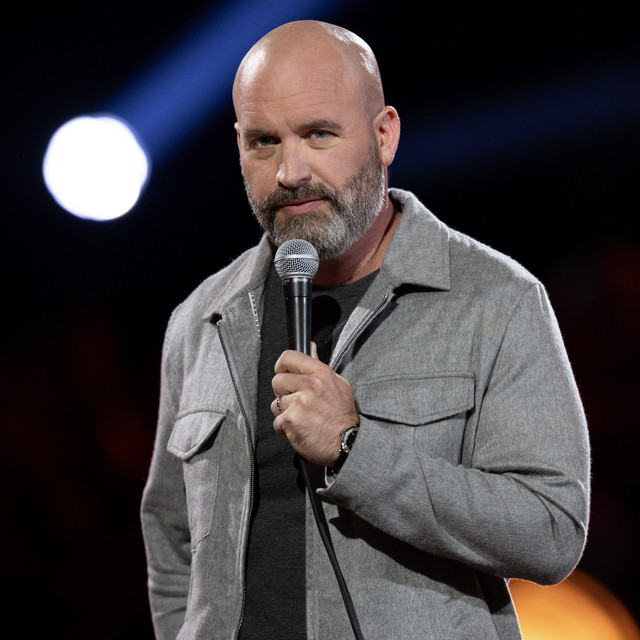
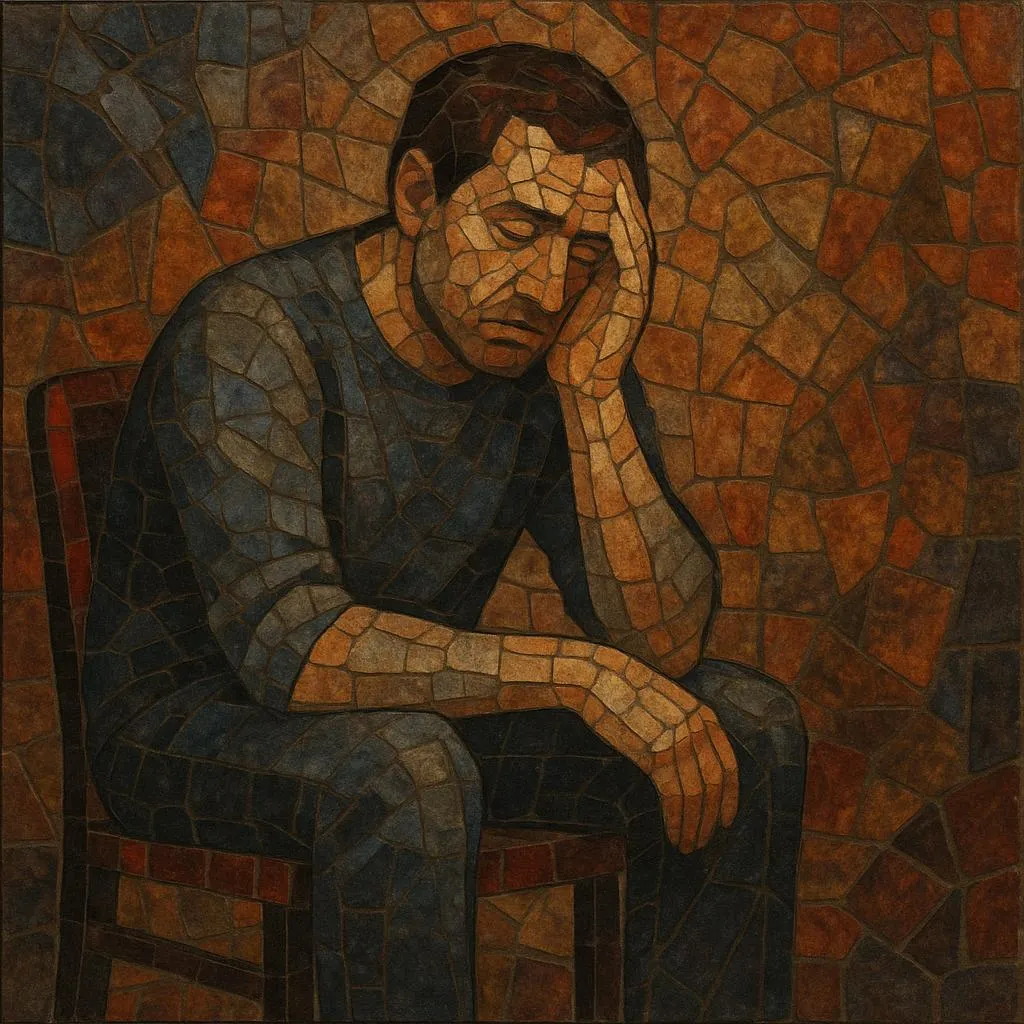
Deep comedy is a strand of modern stand‑up that prioritizes vulnerability, narrative depth, and reflective themes over rapid‑fire punchlines. It blends humor with personal storytelling, often addressing trauma, mental health, social anxieties, identity, grief, and the strange poetry of ordinary life.

Rather than chasing constant laughs per minute, deep comedy is willing to sit in silence, build tension, and earn bigger releases through perspective shifts, callbacks, and carefully timed reveals. The result is a set that feels part confession, part essay, and part catharsis—still funny, but also resonant and humane.


Sources: Spotify, Wikipedia, Discogs, RYM, MB, user feedback and other online sources

History

Origins (late 2000s–early 2010s)

Deep comedy emerged from alternative stand‑up rooms in the United States where comics experimented with long‑form bits, personal storytelling, and lower laugh density. These scenes, nurtured in small theaters and back rooms, rewarded honesty and idiosyncrasy over club‑friendly polish. The rise of comedian‑hosted podcasts and live storytelling shows normalized confessional tones and gave audiences a taste for narrative arcs in comedy.

Breakthrough moments

Viral clips and boundary‑pushing specials in the early 2010s showed that a comic could center vulnerability—disclosing illness, addiction, grief, or anxiety—without losing comedic momentum. This helped establish audience trust for sets that weave between heavy themes and levity, making the form more visible beyond niche rooms.

Streaming and the album era

As streaming platforms and digital labels expanded the comedy market, longer, essayistic specials and albums found real audiences. The discoverability systems that grouped comics by tone and topic effectively carved out “deep comedy” as a recognizable micro‑scene, distinct from purely observational or crowd‑work‑driven sets.

Globalization and cross‑pollination

International comics adopted the mode, applying it to local issues—migration, class, gender, and politics—while retaining the core: thoughtful pacing, emotional stakes, and a writerly voice. Today, deep comedy coexists with club styles, influencing how many comics structure hours even when they’re not branded as confessional.


How to make a track in this genre

Find the core premise
•   Start from a personal pressure point (grief, fear, identity, obsession). Ask: what belief or habit here is absurd, contradictory, or universal? •   Write the premise as a thesis sentence you can argue, subvert, and revisit across the hour.
Build narrative architecture
•   Outline in acts: setup (context and stakes), complication (escalation and surprises), and resolution (perspective shift). Use signposts and chapter‑like transitions. •   Thread callbacks so light early tags blossom into heavier payoffs later.
Write for tension and release
•   Allow quiet beats and detail—specificity invites empathy. Tighten language and deploy strategic misdirection so heavy turns can convert into laughter. •   Mix joke engines: contrast, incongruity, act‑outs, analogy, and rule‑of‑three, but at slower cadence than club sets.
Voice, pacing, and delivery
•   Use a conversational mic technique; vary tempo and volume to underline emotional movement. •   Embrace vulnerability without forfeiting craft: when you disclose, immediately reframe with point‑of‑view jokes that reveal your comic logic.
Editing and rehearsal
•   Record rough runs; track laugh shapes (where laughs start, swell, and trail). Trim exposition, sharpen tags, and protect moments that need silence. •   Practice transitions until the tonal shifts feel intentional, not jarring.
Production considerations
•   For albums/specials: prefer intimate rooms with coherent crowd mics; warmth over boom. Consider minimal scoring or none—silence is a tool. •   Write descriptive track titles or chapter cards that reflect the narrative arc, not just isolated bits.
Ethics and care
•   If mining heavy experiences, seek truth and consent where others are involved. Punch up, own your perspective, and avoid glamorizing harm.

Top tracks

Locked
Share your favorite track to unlock other users’ top tracks

Upcoming concerts

in this genre
Influenced by
Has influenced

Download our mobile app

Get the Melodigging app and start digging for new genres on the go
© 2026 Melodigging
Melodding was created as a tribute to Every Noise at Once, which inspired us to help curious minds keep digging into music's ever-evolving genres.
Buy me a coffee for Melodigging