Your digging level
Description
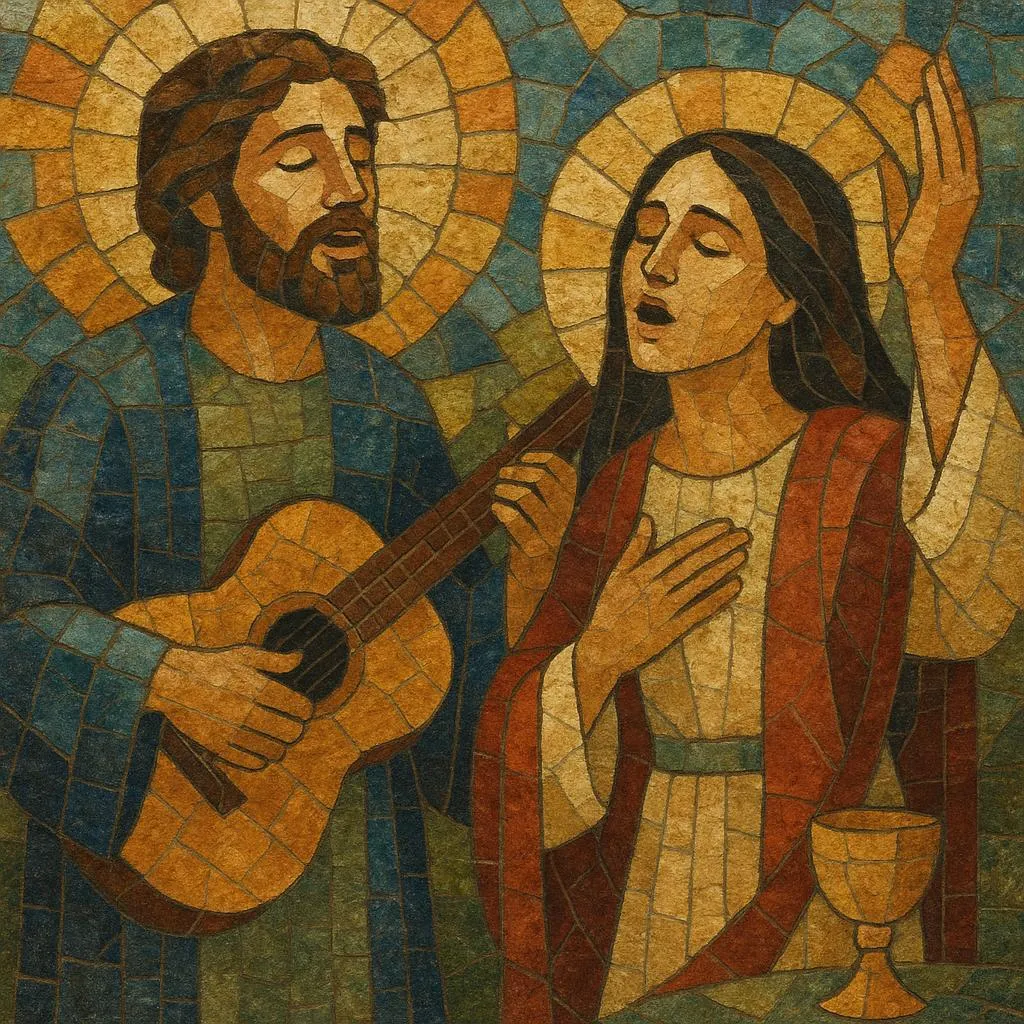
Papuri is a Filipino form of contemporary Christian praise-and-worship music, distinguished by the use of Tagalog (and other Philippine languages) in congregational songs and pop-leaning devotional pieces.
The word “papuri” literally means “praise,” and the genre centers on direct, scripture-inflected address to God, memorable singable melodies, and simple, emotive harmonies that fit church services, crusades, and broadcast ministry. Stylistically it spans gentle ballads led by piano or acoustic guitar to full pop-rock bands with drums, bass, keyboards, and vocal harmonies.
Distribution historically relied on radio, cassettes, and songbooks, later moving to CDs, live worship recordings, and digital platforms, helping standardize a shared Filipino worship repertoire across evangelical, Pentecostal, and, in parallel, Catholic inspirational contexts.
History
Papuri emerged in the Philippines during the late 1970s as local churches embraced the global wave of “Jesus music” and contemporary Christian music. Filipino composers and ministries began crafting worship songs in Tagalog to make congregational praise more immediate and culturally resonant. Radio ministries and church-based recording initiatives helped circulate early materials nationwide.
Through the 1980s and 1990s, papuri was codified by a steady stream of studio and live worship releases, songbooks, and radio programming. The music balanced pop ballad aesthetics with congregational accessibility—clear melodies, mid-range keys, and lyrical themes of thanksgiving, adoration, and discipleship. This period also saw mass adoption across evangelical and Pentecostal churches, worship concerts, and large revival gatherings.
With the growth of contemporary worship movements, papuri diversified in production and arrangement: fuller rhythm sections, modern keyboard textures, tighter rhythm-guitar patterns, and more pronounced dynamics (quiet verses building to anthemic choruses). Parallel Catholic inspirational ministries also contributed Tagalog devotional repertoire, widening the audience for local-language praise.
Streaming platforms, lyric videos, and live-session releases accelerated the dissemination of new papuri songs beyond Manila into provincial and diaspora congregations. Stylistically, the genre now ranges from intimate acoustic devotionals to stadium-scale worship, while remaining grounded in singable melodies and God-focused, scripture-shaped lyrics that serve congregational participation.



Best playlists