Your digging level

For this genre
0/8
🏆
Sign in, then listen to this genre to level up

Description

Outer hip hop is an independent, prairie-born strain of underground rap characterized by dusty boom‑bap drums, lo‑fi home‑recording aesthetics, and introspective, plain‑spoken lyricism. It is called “outer” because it developed outside the major North American industry hubs, in geographically remote Canadian cities and small towns.

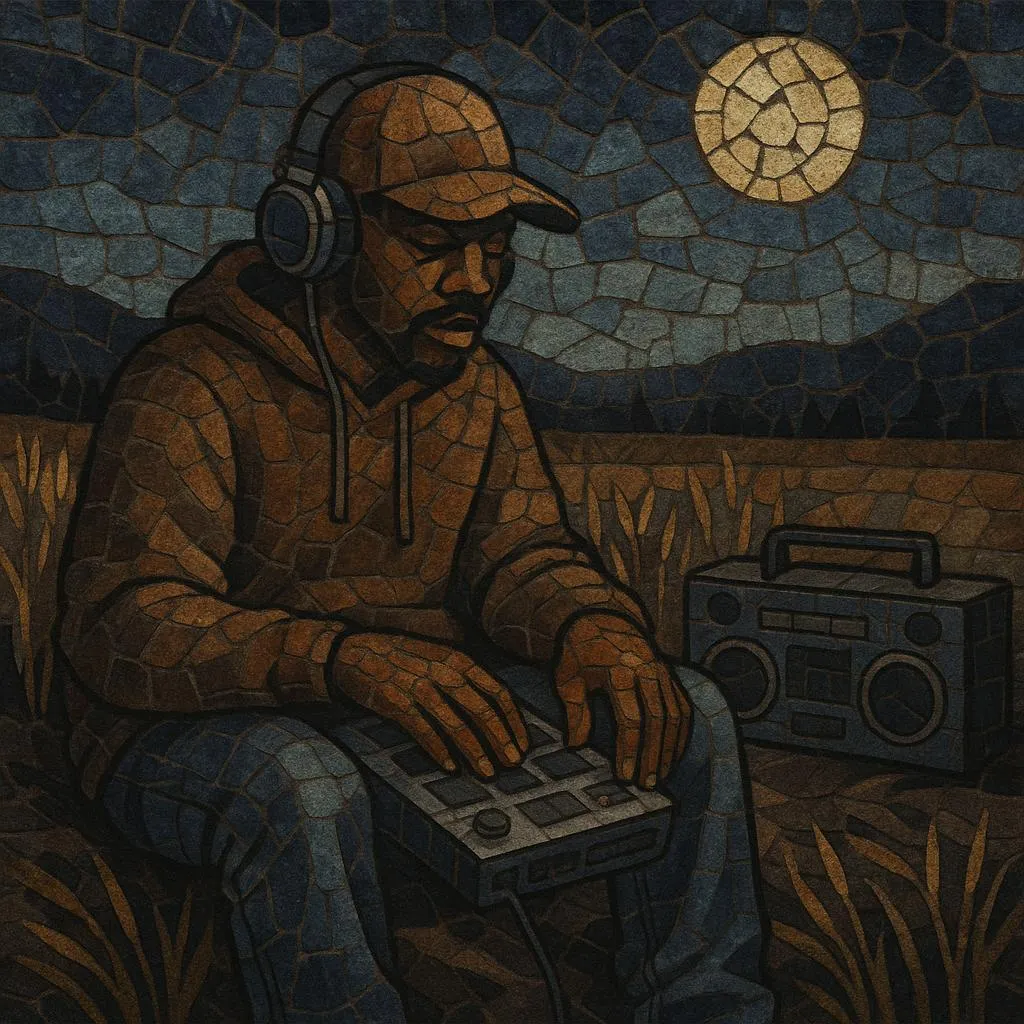
Producers lean on vinyl‑sourced jazz, folk, and soul fragments, tape hiss, and MPC/SP samplers, while MCs deliver conversational flows about long winters, small‑city life, and DIY survival. The result is a warm, melancholic, and modestly funky sound that privileges craft, community, and storytelling over glossy bravado.


Sources: Spotify, Wikipedia, Discogs, RYM, MB, user feedback and other online sources

History

Roots and context (1990s)

Outer hip hop emerged in the Canadian Prairies in the mid‑to‑late 1990s, particularly across Manitoba and Saskatchewan. Far from the industry infrastructures of Toronto, New York, or Los Angeles, local crews built scenes around campus radio, community venues, and cassette/CD‑R economies. Sampler‑based production, four‑track recorders, and winterbound practice spaces shaped the lo‑fi texture and the reflective, often wry tone.

Labels, crews, and a DIY network (late 1990s–2000s)

Independent labels and collectives became scene anchors, linking Winnipeg, Brandon, and Saskatoon. Small presses, mail‑order catalogs, and early web forums helped these records circulate nationally. The aesthetic cohered around boom‑bap drums, dusty loops, and narrative verses about prairie realities—day jobs, backroads, and long dark seasons—delivered with dry humor and unflashy technicality.

Consolidation and wider recognition (2010s–present)

Through steady touring, collaborative compilations, and producer‑led projects, outer hip hop gained a cult following outside Canada. Its sound anticipated and intersected with later lo‑fi and bedroom rap currents: warm, unhurried tempos, clearly written verses, and intimate mixes that foreground the MC–producer partnership. While still niche, the genre now reads as a distinct Canadian contribution to the broader underground rap continuum.


How to make a track in this genre

Rhythm and tempo
•   Favor relaxed boom‑bap pockets at 80–94 BPM. Keep swing subtle and grooves unfussy so lyrics sit clearly on top.
Sound palette and production
•   Build beats from short jazz, folk, and soul chops; layer gentle vinyl crackle, room tone, and tape hiss for warmth. •   Use samplers (MPC/SP) or DAWs with minimal processing; aim for a lived‑in, home‑studio feel rather than high‑gloss polish. •   Bass should be rounded and supportive; snares slightly dry; hats understated. Leave breathable space between elements.
Harmony and melody
•   Loop small modal or minor‑key fragments; reharmonize with simple bass movement or occasional chord substitutions. •   Sprinkle sparse keyboards, guitar stabs, or harmonica/accordion textures to nod at prairie/folk timbres without turning the track into pastiche.
Lyrics, flow, and themes
•   Write conversational, image‑rich verses about small‑city life, isolation, humor in hardship, community, and craft. •   Flows should be clear and deliberate; prioritize enunciation and narrative arcs over punchline density. •   Hooks can be understated: a repeated phrase, a scratched vocal snippet, or a short melodic refrain.
Arrangement and finishing
•   Typical structure: intro (8), verses (16s), modest hooks (4–8), one bridge or beat‑switch for variety. •   Add DJ cuts or found‑sound transitions (radio clips, ambient winter sounds) to reinforce place and mood. •   Master lightly; retain headroom and dynamic nuance so the track feels intimate rather than crushed.

Top tracks

Locked
Share your favorite track to unlock other users’ top tracks

Upcoming concerts

in this genre
Influenced by
Has influenced

Download our mobile app

Get the Melodigging app and start digging for new genres on the go
© 2026 Melodigging
Melodding was created as a tribute to Every Noise at Once, which inspired us to help curious minds keep digging into music's ever-evolving genres.
Buy me a coffee for Melodigging