Your digging level
Description
NZ reggae (Aotearoa reggae) is the New Zealand take on Jamaican roots and dub, filtered through Māori and Pasifika cultural perspectives. It centers deep, melodic bass lines, off‑beat skank guitar or keys, and relaxed one‑drop or steppers drum patterns, while favoring warm, analog‑leaning production and dub effects like spring reverb and tape delay.
Lyrically, it often addresses land, identity, social justice, whānau (family), and community uplift, with frequent use of te reo Māori and Pasifika languages alongside English. Vocal harmony stacks and call‑and‑response owe much to Pacific choral traditions, and horns or melodica supply memorable hooks. The overall mood blends rootsy consciousness with oceanic warmth—music for dancing, healing, and collective reflection.

History
Reggae arrived in New Zealand through immigrant, broadcast, and touring circuits in the 1970s, but Bob Marley’s landmark 1979 concert in Auckland is widely cited as the catalytic moment. Soon after, Herbs (formed 1979) helped define a distinctly local voice: roots‑and‑dub grooves carrying messages about Māori rights, a nuclear‑free Pacific, and social justice. Throughout the 1980s, reggae became a soundtrack for political consciousness and cultural pride, fusing Jamaican idioms with Māori and Pasifika harmony and storytelling.
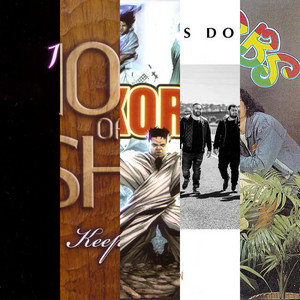
In the 1990s, bands such as Salmonella Dub and TrinityRoots blended roots reggae and dub with electronic, soul, and jazz touches, while the Wellington scene (including Fat Freddy’s Drop and The Black Seeds) established a laid‑back yet sophisticated live‑dub sound. Early 2000s groups like Katchafire, House of Shem, and Kora pushed the style nationwide—pairing conscious lyrics with polished arrangements and festival‑ready horn sections. NZ reggae became a mainstay of summer tours, student radio, and community events.
The 2010s saw broader mainstream success and international touring, with acts like L.A.B. and Sons of Zion blending reggae with pop, R&B, funk, and rock while retaining the genre’s communal spirit. More recordings embraced te reo Māori, and collaborations across Polynesia strengthened ties with the wider Pacific. Today, NZ reggae stands as both a cultural connector and a contemporary creative hub—rooted in dub traditions, animated by local stories, and celebrated on stages from Aotearoa to the world.


Top albums

Best playlists