Your digging level
Description
New age kirtan is a modern, Western-influenced form of devotional call-and-response chanting that blends traditional Indian kirtan and bhajan practice with the spacious textures and serene aesthetics of new age and ambient music.
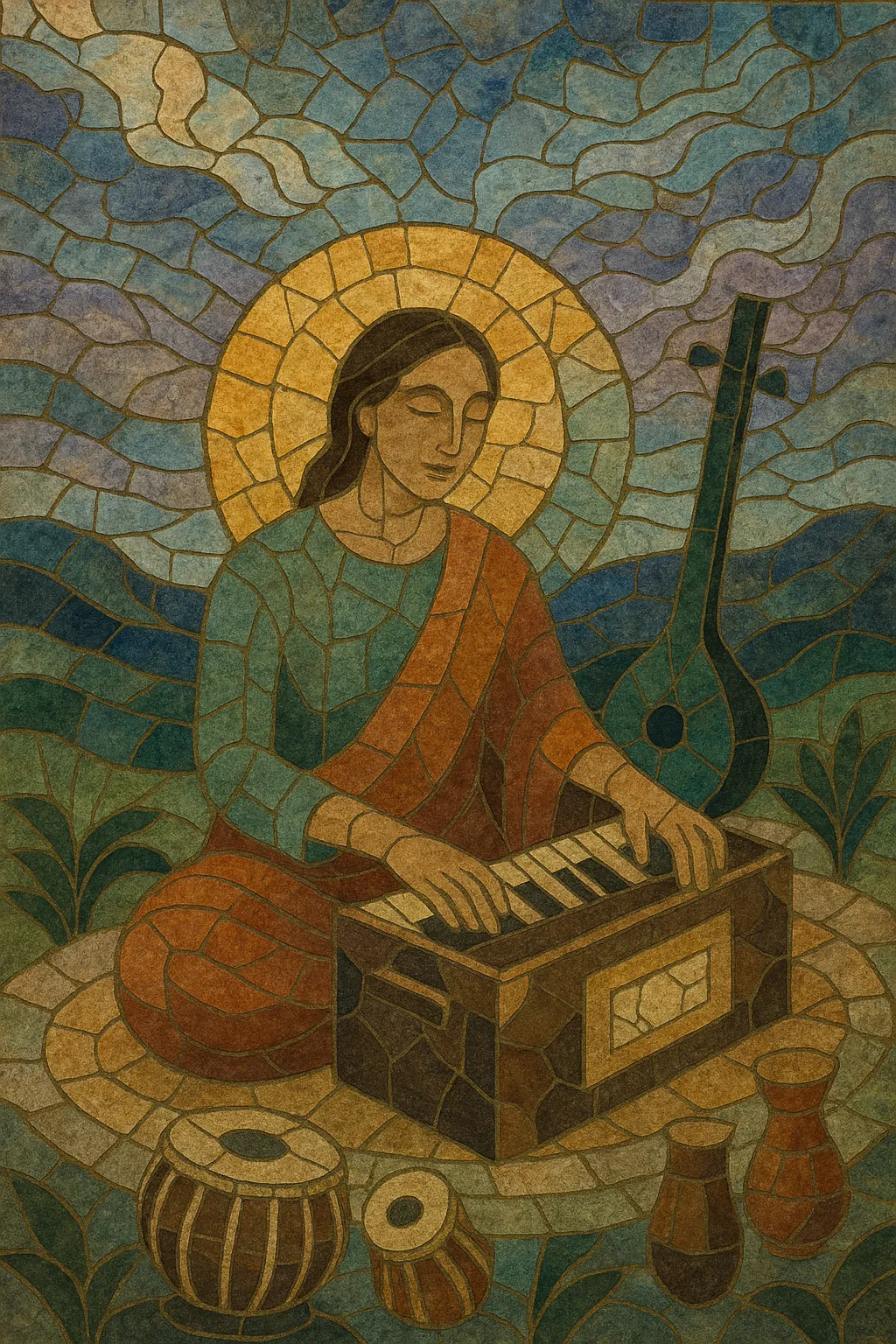
Built around mantras—often in Sanskrit or Gurmukhi—it favors simple, repetitive melodies, drones, and gradually intensifying arrangements that invite group participation, meditation, and a sense of communal uplift. Acoustic instruments like harmonium, tanpura/shruti box, guitar, and hand percussion are commonly interwoven with pads, soft synths, and gentle production effects to create a calm yet ecstatic soundscape associated with yoga and mindfulness spaces.


History
New age kirtan draws from the centuries-old Indian devotional tradition of kirtan and bhajan, where mantras are chanted in call-and-response form to cultivate bhakti (devotional love). As Indian classical and devotional music reached Western audiences in the mid–late 20th century, it intersected with the rising new age movement, which valued meditative sound, spiritual seeking, and holistic wellness.
In the 1990s, a cohort of Western and diasporic artists began recording mantra-based albums with contemporary production and singer-songwriter sensibilities. Early landmark releases by Krishna Das, Jai Uttal, and Deva Premal framed kirtan in accessible song forms while retaining communal call-and-response and deep drones. Yoga studios and retreat centers became key venues, turning chanting into a participatory practice beyond temple contexts.
As yoga and mindfulness culture expanded globally, new age kirtan followed. Festivals, kirtan circles, and national tours created a scene with dedicated labels and community hubs. Production broadened—from purely acoustic ensembles to gentle electronic atmospheres, world-percussion grooves, and cinematic layers—while maintaining mantra repetition and meditative pacing. Streaming platforms and playlists for yoga, meditation, and relaxation further amplified its reach.
By the 2010s, the genre’s hallmarks were clear: sustained drones, simple diatonic or modal harmony (often Mixolydian or Dorian), gradual dynamic arcs from quiet invocation to ecstatic peak, and a closing descent into stillness. Lyrics remain devotional and repetitive, encouraging focus and group singing rather than complex verbal storytelling.
Today, new age kirtan bridges sacred tradition and contemporary wellness culture. It coexists with Sikh-inspired kirtan repertoires, ambient/mantra crossovers, and world-fusion ensembles, functioning both as spiritual music and as community-building practice in yoga and meditation settings.


Top albums
Best playlists