Your digging level
Description
Neo-traditional bluegrass is a late-20th-century return to the classic, hard-driving bluegrass sound pioneered by Bill Monroe, Flatt & Scruggs, and the Stanley Brothers—delivered with modern recording standards, polished ensemble precision, and contemporary songwriting.
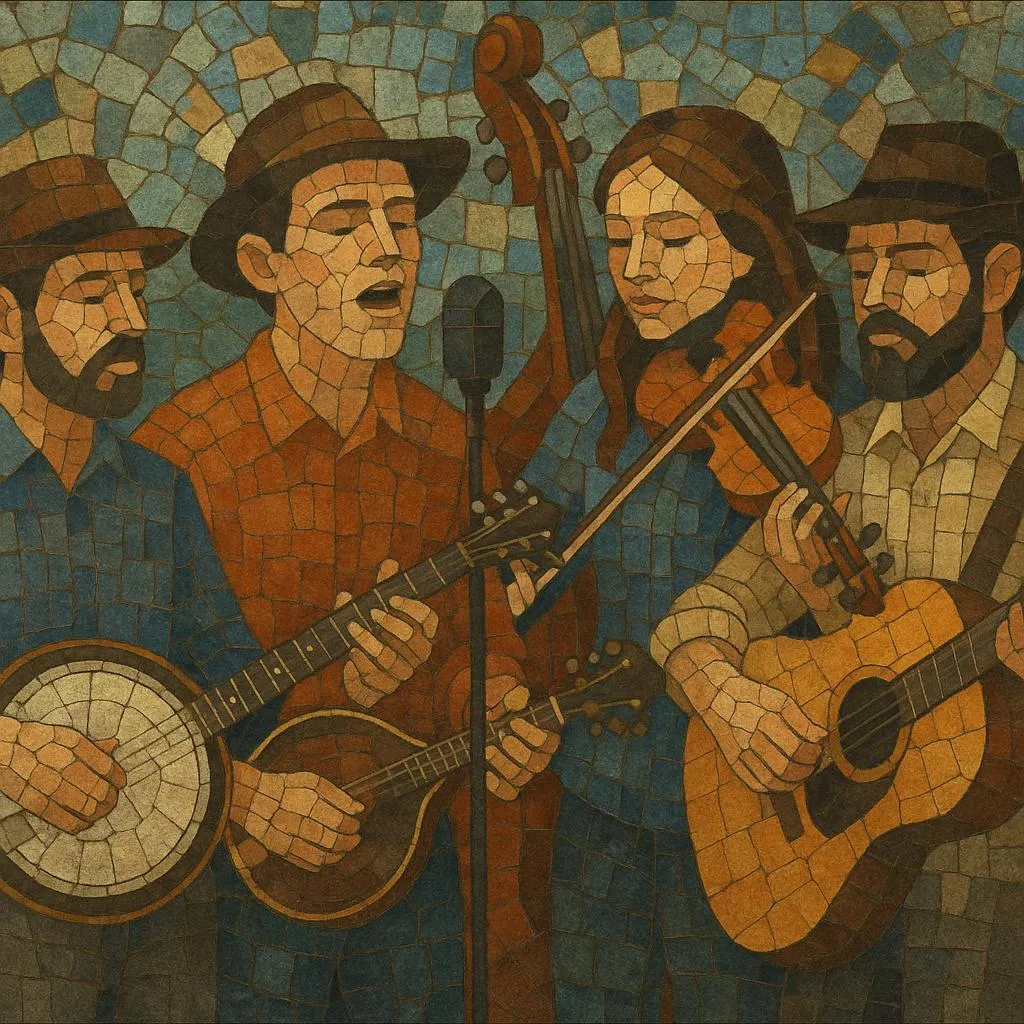
It retains the core acoustic instrumentation (banjo, mandolin, fiddle, guitar, upright bass), the "high, lonesome" lead vocal timbre, and tight three- or four-part harmony singing. Compared to progressive bluegrass, neo-traditional bluegrass favors straight-ahead rhythms, crisp ensemble "drive," and repertoire that blends traditional standards with new material crafted in the classic idiom. Gospel quartets, blazing instrumental breaks, and unison band endings are common hallmarks.


History
As progressive "newgrass" styles blossomed in the 1970s, a cohort of younger musicians simultaneously gravitated back toward the straight-ahead aesthetics of first- and second-generation bluegrass. In the early 1980s, bands modeled on classic ensembles (tight trios and quartets, strong time feel, and repertoire rooted in Monroe/Flatt & Scruggs/Stanley traditions) gained traction. Labels and festivals that valued tradition helped give this sound a platform.
The bluegrass industry’s consolidation—festivals, specialized labels, and the International Bluegrass Music Association—amplified bands that delivered a modern yet faithful traditional sound. Radio shows and touring circuits favored acts with high vocal blend, disciplined ensemble work, and new songs written in the old style. This period established many defining groups and set the template for contemporary stagecraft and recording polish.
A wave of acoustic roots interest in the early 2000s brought new listeners to banjo- and fiddle-driven music. Neo-traditional bands responded with albums that balanced canonical standards with original material, often including gospel sets and hard-charging instrumentals. The sound remained resolutely acoustic while benefiting from improved studio techniques and tighter, road-tested arrangements.
Neo-traditional bluegrass remains a dominant current at festivals and on roots radio. The style coexists with progressive and jam-oriented branches, but its distinctive attributes—strict acoustic instrumentation, classic harmony language, and rhythmic "drive"—continue to define a living, contemporary tradition that honors its mid-century roots.