


Description
Neo-Shibuya-kei is a movement associated with the music that followed Shibuya-kei. Its relationship to the past is one way to understand the label: in Saku’s music, the earlier era being revisited is associated with Japanese performers she works with, while those performers’ own reference points were primarily Western.
The term describes a connection to an earlier musical culture rather than a narrowly defined set of instruments or production techniques.
Based on: Wikipedia, memoriesofshibuya.wordpress.com
More on: Wikidata
History
After Shibuya-kei
Neo-Shibuya-kei emerged in the period following the 1990s as part of the broader grouping known as post-Shibuya-kei. Capsule is identified as the movement’s leading act.
Looking back
Saku’s music has also been described as neo-Shibuya-kei. In her case, the label points to a change in perspective: the music looks back toward Japanese performers with whom she works, whereas their own earlier influences were primarily Western.
Start with a musical past
Build a piece around a conscious relationship to earlier Japanese performers and their music. Rather than treating retro references as decoration, decide what qualities of that earlier work you want the new piece to recall, then reinterpret them in your own arrangement.
Shape the arrangement
As a general pop approach, you could begin with a clear melody and use keyboards, guitar or electronic textures to give the arrangement a sense of an earlier style. Try contrasting a familiar-sounding musical idea with a more contemporary production treatment. The label does not prescribe a single instrumentation, so let the chosen reference guide the sound.

[FREE Download] How To Make Kawaii Shibuya-Kei (渋谷系) J-Pop [CAPSULE, Serani Poji]
BANGUMI





Best playlists
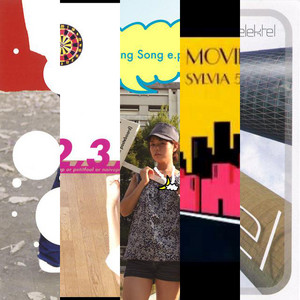
The Sound of Neo-Shibuya-Kei
Every Noise at Once
Neo-Shibuya-Kei
Chosic

Best of Neo-shibuya-kei
volt.fm

neo shibuya-kei/picopop ☆💿🫧
woahgenlol

新・冬に聴きたい【渋谷系】(+ポスト渋谷系+ネオ渋谷系) MIX●Shibuya-Kei (= JP Lounge & Club Scene) Songs For Winter Vol.2
ヤバいDJ屋さん aka DJ Vertouch

