Your digging level

For this genre
0/8
🏆
Sign in, then listen to this genre to level up

Description

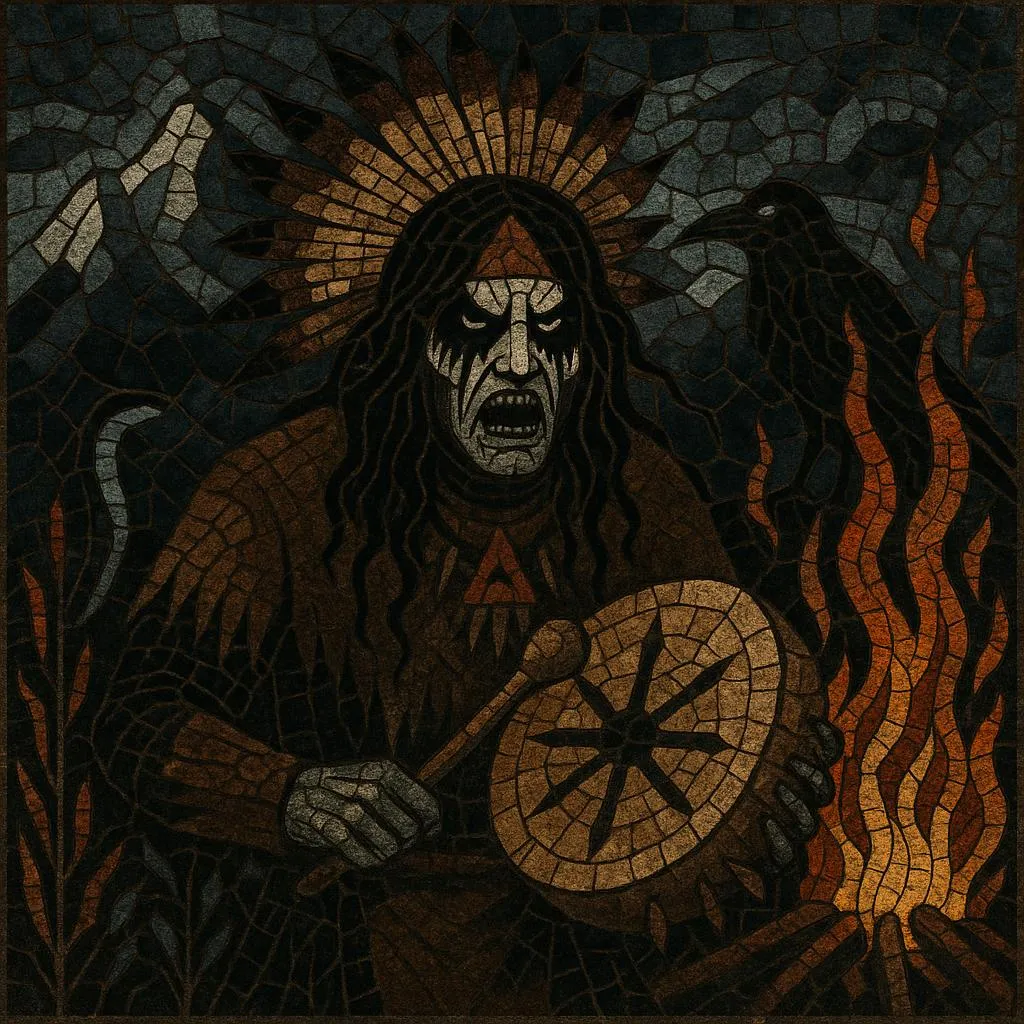
Native American black metal is an extreme-metal microgenre that fuses the sonic and aesthetic vocabulary of black metal—tremolo‑picked guitars, blast‑beat drumming, harsh vocals, and raw or atmospheric production—with Indigenous North American musical elements, languages, instruments, and cosmologies.

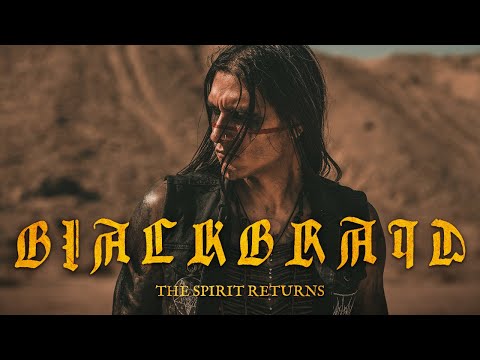
Artists in this style often weave hand drums, rattles, Native American flute, powwow‑inspired rhythms, and field recordings (wind, water, fire, birds) into black metal song forms. Lyrically, the genre centers on land, ancestor veneration, resistance to colonialism, survival, and regional mythologies. Visual identities (artwork, photography, stage dress) typically foreground Indigenous symbols and landscapes in place of Euro‑Nordic black metal tropes.

The result is a sound that can be simultaneously raw and epic: grim, frostbitten riffing set against heartbeat‑like drum pulses or ceremonial chants, or windswept atmospheres that evoke mountains, forests, and rivers—reframing black metal through a distinctly Native lens.

Sources: Spotify, Wikipedia, Discogs, RYM, MB, user feedback and other online sources

History

Origins (1990s)

The style emerged in the 1990s as black metal spread beyond Europe and artists in North America began to localize its aesthetics. Early steps came from Indigenous and Mesoamerican‑rooted projects in the U.S. and Mexico that folded pre‑Hispanic or Native themes and instruments into raw black metal. Bands experimented with ceremonial percussion, flute timbres, and narratives about land and ancestry while retaining the genre’s icy tremolo guitars and blast beats.

Consolidation and Identity (2000s–2010s)

In the 2000s, a constellation of projects across the U.S. and Canada—often the work of Indigenous musicians—clarified a distinctly Native American black metal identity. Lo‑fi, cassette‑era releases and DIY circles proved fertile for this evolution. Some artists leaned toward atmospheric/folk black metal palettes; others adopted raw, war‑like sonics. Symbolically, the locus shifted from Nordic pagan imagery to North American geographies, languages, and resistance histories.

Visibility and Expansion (late 2010s–2020s)

The late 2010s and early 2020s saw substantial visibility: critically noted albums and festival appearances brought wider attention to Indigenous perspectives within extreme metal. Projects foregrounded Indigenous languages, powwow‑derived rhythms, and flute or frame‑drum interludes. Social media and bandcamp‑centric distribution enabled global reach without diluting the music’s rootedness in place and community.

Aesthetics and Themes

Musically, the genre spans raw, freezing riffcraft through drifting, cinematic atmospheres. Textures include tremolo swarms, ring‑modulated or reverb‑drenched leads, and storm‑like drum barrages offset by ceremonial drumming and chant. Lyrical themes address sovereignty, land defense, mourning and remembrance, animal and sky spirits, and the endurance of Indigenous lifeways. Artwork and visuals situate black metal’s grimness in valleys, mesas, forests, and tundra of Turtle Island rather than in European fjords.

How to make a track in this genre

Core Sound
•   Guitars: Use tremolo‑picked minor‑mode riffs (Aeolian, Phrygian) with parallel open‑string drones. Alternate between raw, mid‑gain frost and wide, reverb/chorus‑washed leads for atmosphere. •   Drums: Blast beats (traditional, bomb, and skank variants) for intensity; intersperse tom‑driven, powwow‑inspired “heartbeat” pulses (duple, around 80–100 BPM) for ceremonial sections. Allow space for frame drum or hand drum overlays. •   Bass: Anchor with pedal tones and fifths; follow root motion tightly during blasts, then open into droning octaves in atmospheric passages.
Indigenous Elements
•   Percussion: Incorporate frame drums, powwow drum patterns, rattles, ankle bells; record them with room mics for natural resonance. •   Winds: Add Native American flute lines (pentatonic figures, plaintive bends) as intros/interludes or countermelodies to tremolo guitars. •   Voice: Layer harsh screams with spoken invocations or group chants; consider verses or refrains in an Indigenous language or dialect.
Harmony, Form, and Texture
•   Harmony: Favor modal minor with occasional Phrygian flat‑2 color; use suspended fourths and open fifths for starkness. Avoid dense functional progressions; think drones and pedal points. •   Form: Juxtapose blasting sections and ritual passages (drone + drum + chant). Build long arcs: intro (field recording + flute) → blast surge → mid‑tempo ceremonial break → epic reprise. •   Atmosphere: Field recordings (wind, river, fire), distant thunder, and natural reverb place the music outdoors; subtle synth pads can glue transitions without overriding organic timbres.
Lyrics and Themes
•   Focus on land, sovereignty, ancestors, celestial/animal spirits, mourning, and revival. Use concrete place‑names and seasonal imagery. •   Maintain respect and cultural accuracy—consult elders or language holders when using specific ceremonies or texts.
Production and Performance
•   Production: Keep a raw, dynamic master (limited but not brick‑walled). Let transients breathe; emphasize room on percussion and vocals. •   Performance: Stage visuals (regalia elements, natural materials, landscape projections) should serve the songs and avoid tokenism. Invite Indigenous collaborators for drum/chant features when possible.

Top tracks

Locked
Share your favorite track to unlock other users’ top tracks

Upcoming concerts

in this genre
Influenced by

Download our mobile app

Get the Melodigging app and start digging for new genres on the go
© 2026 Melodigging
Melodding was created as a tribute to Every Noise at Once, which inspired us to help curious minds keep digging into music's ever-evolving genres.
Buy me a coffee for Melodigging