Your digging level
Description
Nahua music refers to the traditional and contemporary musical practices of the Nahua peoples of central and eastern Mexico, historically associated with the Mexica/Aztec sphere. It spans pre‑Hispanic ritual soundscapes—centered on drums, flutes, rattles, and vocal poetry—to post‑Conquest syncretic repertoires that integrate Spanish instruments, Catholic liturgy, and community wind bands.
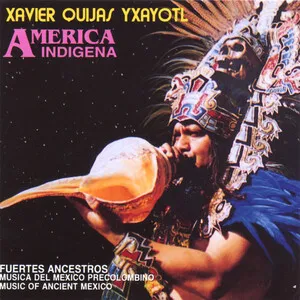
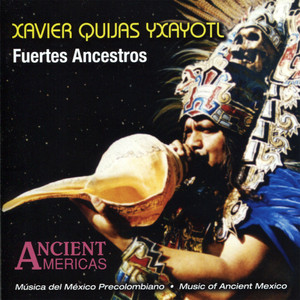
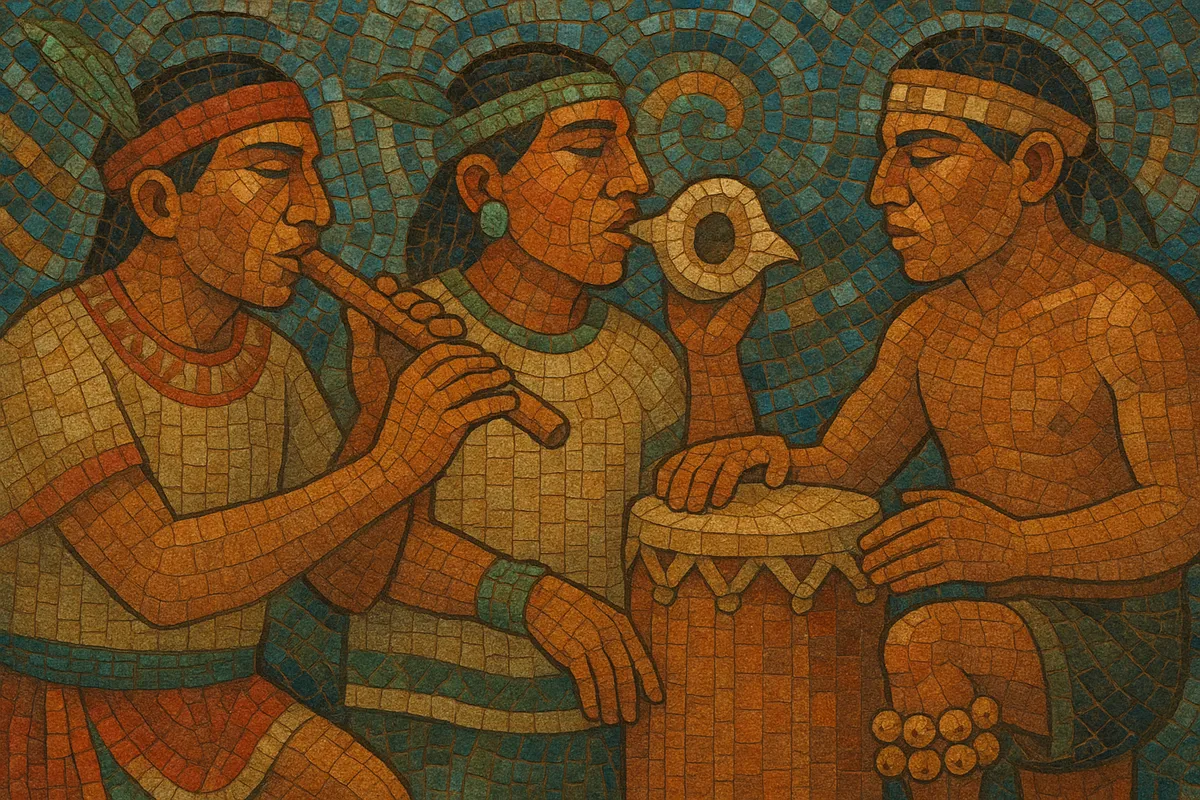
Core timbres include the huehuetl (single-head upright drum), teponaztli (slit drum), ceramic and cane flutes (tlapitzalli, ocarinas), conch-shell trumpets (atecocolli), and ayoyote/ayacachtli ankle rattles. Vocal delivery often uses Nahuatl poetic parallelism (difrasismos like “in xōchitl, in cuīcatl”—flower and song), responsorial structures, and narrow-range modal melodies. In many towns today, Nahua music accompanies calendrical fiestas, dances (e.g., Tecuanes), and life-cycle rites, while local bandas de viento and string ensembles perform processional, devotional, and social dance pieces.
The result is a living tradition that is both ceremonial and communal: percussive, dance-driven, and chant-based at its pre‑Hispanic core, yet porous to colonial and modern influences such as villancicos, baroque devotional repertoire, and regional Mexican wind-band idioms.
History
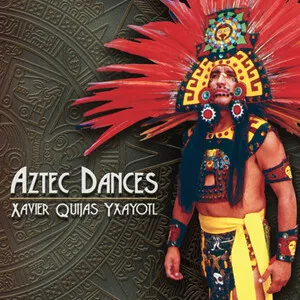
Nahua musical practice took a codified ceremonial form in the Late Postclassic period. Court and temple contexts featured drum choirs of huehuetl and teponaztli, conch trumpets for signaling and ritual openings, and flute/ocarina ensembles that shadowed dance choreographies. Song-poetry (cuīcatl) in Nahuatl used paired metaphors, parallel verse, and responsorial forms, reinforcing philosophical and social teachings.
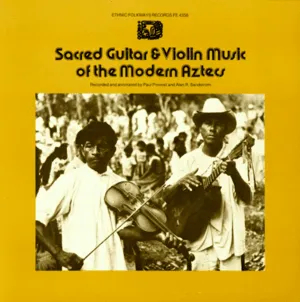
After the 16th‑century conquest, missionary music (villancicos, plainchant, baroque devotional genres) intersected with Nahua sound worlds. Indigenous musicians adopted chirimía-and-drum duos, string instruments (harp, violins, guitars), and later brass/woodwinds, creating bilingual (Spanish–Nahuatl) repertoires for feast days and processions. Local dances (e.g., Tecuanes, Moros y Cristianos, Pastorelas) were accompanied by hybrid ensembles and repertories that retained indigenous rhythms and prosody.
By the late 19th century, many Nahua towns sustained bandas de viento and string orchestras for civic-religious life: processions, mayordomías, and life-cycle rites. These bands localized marches, waltzes, sones, and pasodobles, while keeping ritual drumming and Nahuatl singing for ceremonial moments.
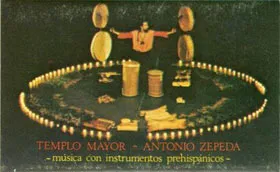
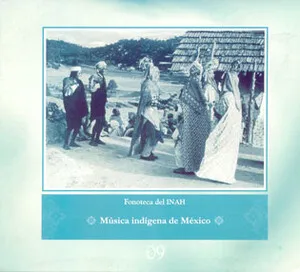
Today, Nahua music persists across Puebla, Hidalgo, Veracruz (Zongolica), Morelos, Guerrero, and the State of Mexico. Ritual drum-and-flute sets still frame offerings and dances; community wind bands and string groups provide social dance and liturgical music. Since the late 20th century, artists and researchers have revived pre‑Hispanic instrumentaria and Nahuatl song-poetry on concert stages and recordings, while community ensembles continue to anchor the living tradition in local fiestas and ceremonies.