Your digging level

For this genre
0/8
🏆
Sign in, then listen to this genre to level up

Description

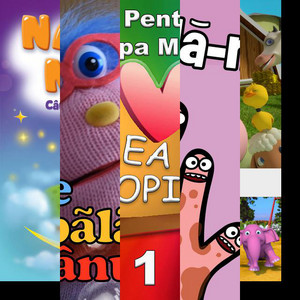
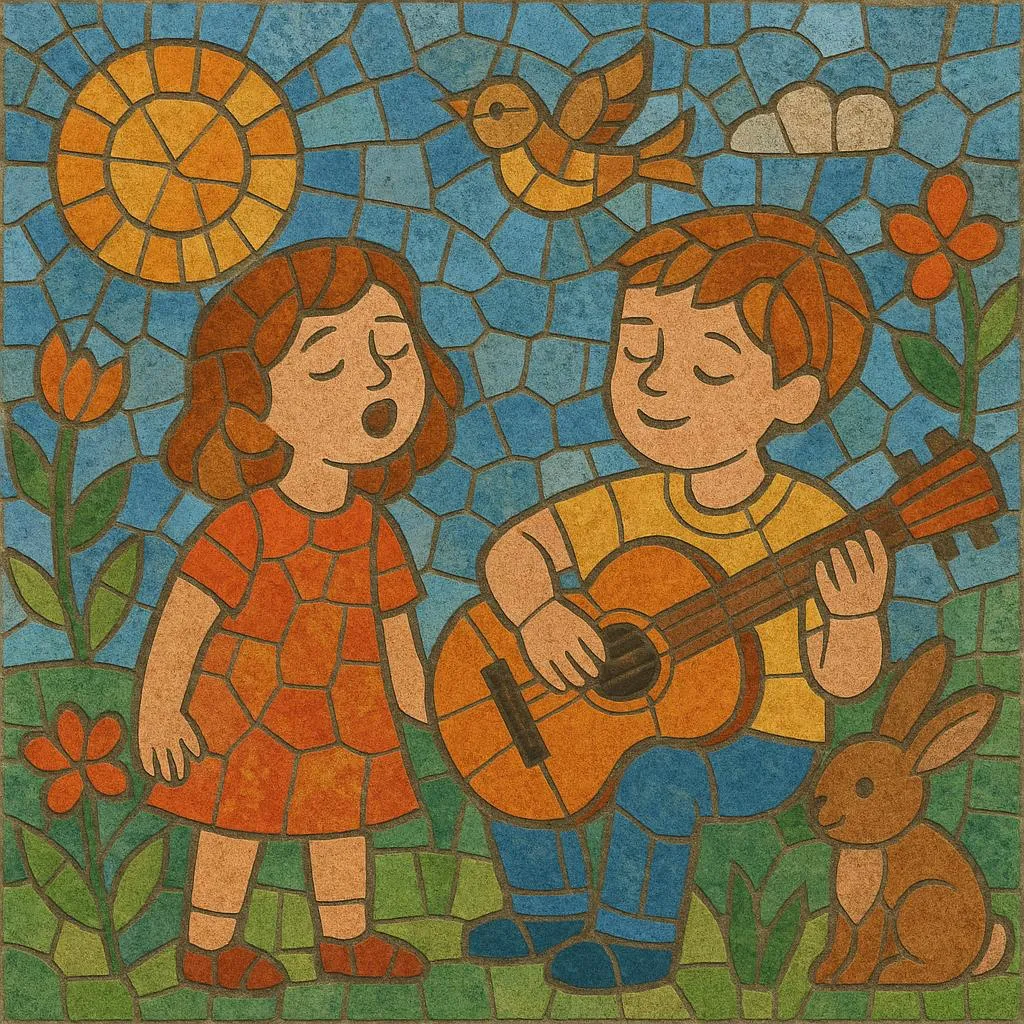
Muzica copii is Romanian children's music: songs explicitly created for and sung by or for children, drawing on Romania's folk heritage, light pop (muzică ușoară), and educational repertoire.

It features simple, memorable melodies, bright and uncluttered arrangements, and clear Romanian diction that encourages participation (clapping, call‑and‑response, sing‑along refrains). Lyrical themes commonly include animals, nature, seasons, play, family, and basic values (friendship, kindness, curiosity). Many pieces echo dance and song forms from Romanian folklore while keeping a contemporary, child‑friendly pop sheen.


Sources: Spotify, Wikipedia, Discogs, RYM, MB, user feedback and other online sources

History

Origins (1970s)

Romania’s tradition of lullabies and children’s verse is centuries old, but a recognizable modern “muzica copii” coalesced in the 1970s as children’s films, school events, and national radio/TV programming began commissioning original songs for young audiences. Composers of muzică ușoară adapted pop harmony and orchestration to child‑appropriate tempos, tessituras, and topics, while continuing to draw on folk rhythms (horă, sârbă) and pentatonic or modal inflections familiar to Romanian ears.

Late Socialist Era and Institutional Support (1980s)

State cultural institutions, children’s choirs, and school festivals standardized the sound: clear melodies, didactic yet playful lyrics, and polished studio bands or orchestras. Television specials and theatre productions popularized a shared canon across the country, and many adult pop vocalists recorded dedicated kids’ repertoires alongside their mainstream output.

Post‑1990s Commercial Expansion

After 1990, the repertoire diversified through private labels, touring children’s troupes, and holiday releases. Festival circuits and dedicated kids’ series sustained a pipeline of new songs, while archival reissues kept classics in circulation. Production values shifted toward contemporary pop (synths, drum machines) but retained folk dance grooves for participatory movement.

Digital Era and Edutainment (2010s–present)

Streaming platforms and video channels transformed distribution, integrating animated videos, movement instruction, and classroom resources. The genre now spans lullaby albums, upbeat danceable singles, seasonal songs, and multimedia “edutainment,” all preserving the core traits: singability, wholesome messages, and a balance between folk color and modern pop clarity.

How to make a track in this genre

Melody and Voice
•   Write within a comfortable child vocal range (roughly A3–D5), using stepwise motion and short, repeatable phrases. •   Prioritize clear diction and simple contours; add echo/call‑and‑response lines for group participation.
Harmony and Form
•   Use diatonic I–IV–V progressions with occasional ii or vi; borrow folk colors with Dorian or Mixolydian touches for Romanian flavor. •   Keep forms simple: intro – verse – chorus – verse – chorus – bridge (optional) – final chorus; include a key phrase children can memorize quickly.
Rhythm and Groove
•   Favor moderate 2/4 or 4/4 for clapping and marching; occasionally adapt folk‑dance feels (horă/sârbă) at a kid‑friendly tempo. •   Build in handclaps, stomps, or call‑and‑answer rhythms to invite movement.
Instrumentation and Arrangement
•   Core palette: acoustic guitar or piano, light bass, soft drums/shakers, glockenspiel/recorder, and children’s choir or small ensemble. •   Keep textures uncluttered; double the melody with mallet instruments or strings for warmth and clarity.
Lyrics and Themes
•   Use concrete imagery (animals, seasons, playtime), positive values (friendship, curiosity), and gentle humor; employ rhyme and repetition. •   Maintain short lines, present tense, and clear verbs; avoid complex metaphors.
Production and Delivery
•   Bright, non‑harsh EQ; moderate tempos (90–120 BPM) for sung participation; ensure lead vocals remain forward and intelligible. •   Consider an educational hook (counting, colors, simple facts) and include a movement cue ("bate din palme", "sarim acum!").

Top tracks

Locked
Share your favorite track to unlock other users’ top tracks

Upcoming concerts

in this genre
Influenced by

Download our mobile app

Get the Melodigging app and start digging for new genres on the go
© 2026 Melodigging
Melodding was created as a tribute to Every Noise at Once, which inspired us to help curious minds keep digging into music's ever-evolving genres.
Buy me a coffee for Melodigging