Your digging level
Description
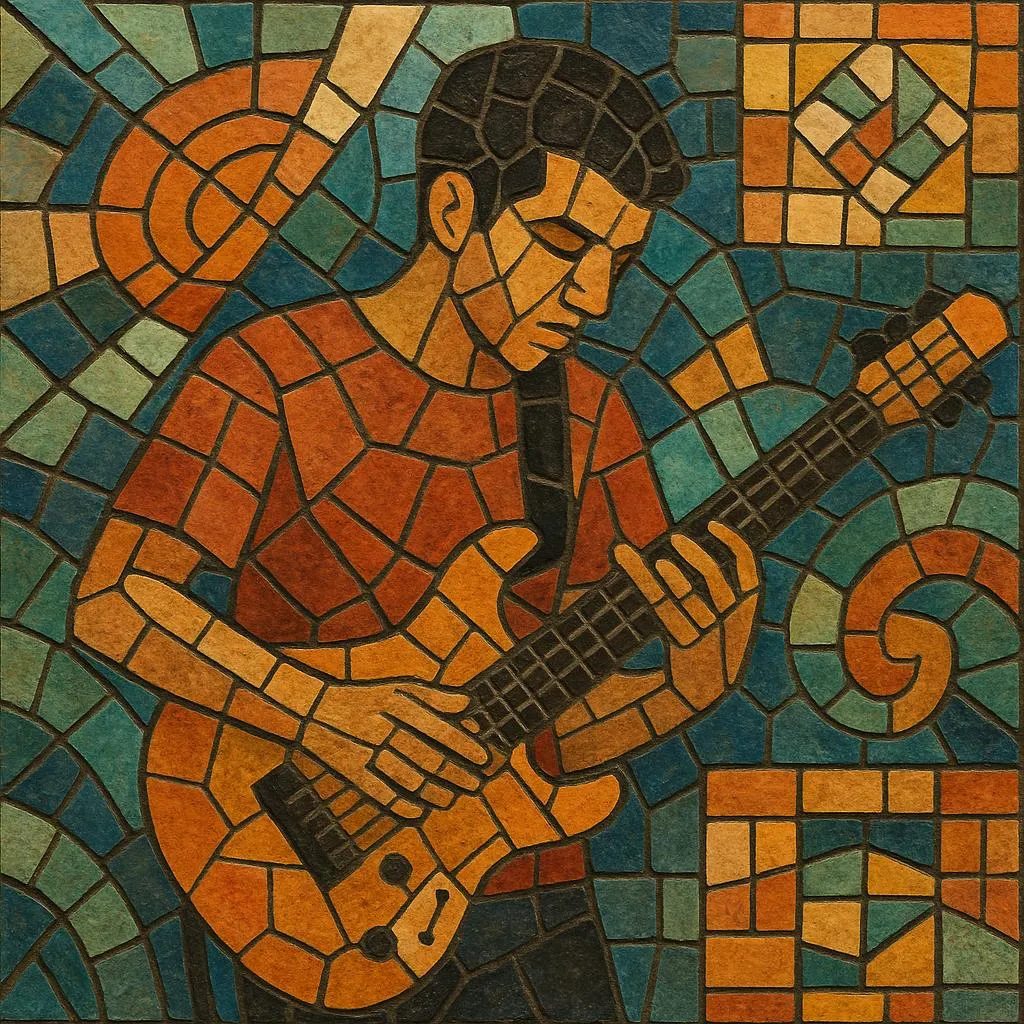
Math Rock Latinoamericano is a vibrant subgenre of math rock that emerged within Latin America, blending the complex, angular rhythmic structures of traditional math rock with the melodic sensibilities and rhythmic diversity of the region.
It is characterized by the use of odd time signatures, intricate clean-tone guitar tapping (often referred to as 'twinkly'), and dynamic shifts in tempo, but distinguishes itself by frequently incorporating Latin American rhythmic patterns such as clave, cumbia, or salsa syncopations into the drum work.
The genre often features a strong DIY ethos and a sense of community across borders, with bands frequently touring neighboring countries. While many acts are instrumental, focusing on technical virtuosity and atmospheric textures, those with vocals often draw from the emotional rawness of emo and post-hardcore, singing in Spanish.

History
The roots of Math Rock Latinoamericano can be traced back to the early 2000s, primarily in Mexico. The band Austin TV, formed in 2001, is widely considered the seminal act of the movement. While initially rooted in post-rock and punk, their instrumental approach and complex compositions laid the groundwork for the genre's acceptance in the region. Their success demonstrated that instrumental rock could achieve mainstream popularity in Latin America, influencing a generation of musicians to explore non-traditional song structures.
By the 2010s, the genre exploded across the continent, evolving from isolated bands into interconnected scenes.
•Chile: A strong scene emerged around the LeRockPsicophonique label, with bands like Tortuganónima and Hélices blending math rock with experimental and electronic elements.
•Peru: Lima became a major hub, producing a wave of bands like Kinder, Fiesta Bizarra, and Wanderlust, who mixed the technicality of math rock with the emotional intensity of midwest emo and local indie flavors.
•Argentina: Bands like Archipiélagos and Hungría developed a sound that often leaned towards the melodic and atmospheric side of the genre, integrating jazz and fusion influences.
The scene solidified through cross-border festivals such as Forever Alone Fest in Mexico and LeRock Fest in Chile, which provided platforms for these bands to perform together. The internet played a crucial role, with blogs and YouTube channels circulating music between countries, creating a cohesive 'Latinoamericano' identity for the genre that persists today.
Guitars: Use clean tones with slight compression or overdrive. Focus on 'twinkly' melodies using two-handed tapping techniques, open tunings (like DAEAC# or FACGCE), and intricate fingerpicking patterns. Interlocking guitar lines (counterpoint) are essential.
•Rhythm Section: The drums should be dry and tight. Avoid standard 4/4 rock beats; instead, experiment with syncopated snare hits and hi-hat patterns that mimic Latin percussion (like the clave). The bass should be melodic, often playing counter-melodies to the guitars rather than just following the root notes.
Time Signatures: Compose riffs in odd meters like 5/4, 7/8, or 9/8. A common technique is to alternate between a standard bar (4/4) and an odd bar to create a 'stumbling' feel.
•Latin Influence: Subtly integrate Latin grooves. For example, adapt a Cumbia beat to a 7/8 time signature, or use a Bossa Nova-style comping pattern on the guitar but played with math rock tonalities.
•Dynamics: Use abrupt stops and starts. Shift suddenly from quiet, melodic passages to intense, chaotic bursts of noise or speed.
Chords: Use extended chords (maj7, add9, m9) to create a jazz-influenced, nostalgic atmosphere. Avoid standard power chords.
•Melody: If instrumental, let the guitar tapping carry the main hook. If using vocals, keep them emotive and raw, often shouting or singing in a higher register, typical of the emo influence.