Your digging level
Description
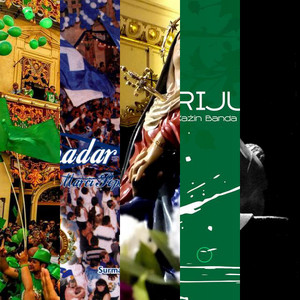
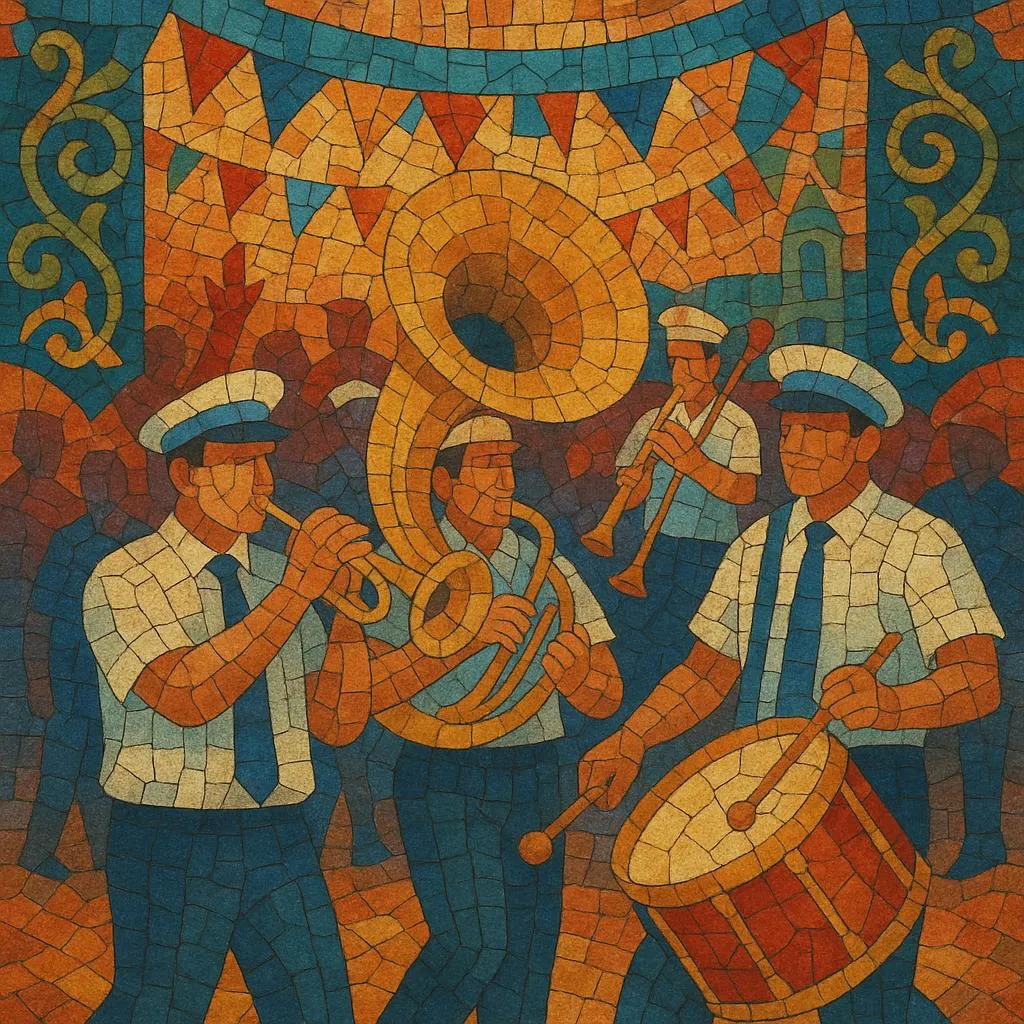
Marċi brijużi (Maltese for "lively marches") are upbeat street-band marches performed by Maltese wind bands during summertime village festas dedicated to local patron saints.
Built on the European march tradition but localized through Maltese melodic turns and crowd participation, these pieces are written for brass and woodwind band with prominent marching percussion. They are typically in major keys, at a brisk walking tempo, and designed to be both singable and chantable so that accompanying supporters can join with call‑and‑response refrains while parading through decorated streets.
Unlike the solemn Holy Week funeral marches (marċi funebri), marċi brijużi are expressly festive: they energize processions, rally band-club supporters, and frame the competitive yet celebratory atmosphere that characterizes Malta’s village feasts.
History
Maltese wind bands emerged in the second half of the 19th century, inspired by Italian “banda” culture and British military band practice during colonial rule. As village festas grew in scale, bands needed repertoire suited to outdoor processions. Composers and bandmasters began crafting bright, straightforward marches—what came to be called marċi brijużi—to animate crowds and sustain long parades.
By the early 1900s, nearly every locality had at least one band club with its own signature marches. The pieces followed the recognizable European march form (intro–first strain–second strain–trio–break strain/dogfight–finale), yet adopted Maltese melodic gestures and vocalizable hooks. Rival bands cultivated distinct repertoires and fan songs, reinforcing civic pride and friendly competition during feast week.
Marċi brijużi became sonic emblems of locality. The tunes are tailored for mass participation: supporters chant localized lyrics over instrumental refrains, and percussion cadences spur communal dancing and flag-waving. The genre thus mediates between formal band craftsmanship and spontaneous street culture, binding music-making to the ritual calendar and the Maltese streetscape.
Today, marċi brijużi remain central to festa programming. Bands commission new works while preserving beloved historical marches, and recordings circulate via local media and streaming. Though instrumentation and arranging techniques have modernized, the core traits—catchy strains, diatonic harmonies, lively tempos, and participatory refrains—continue to define the genre.