Your digging level

For this genre
0/8
🏆
Sign in, then listen to this genre to level up

Description

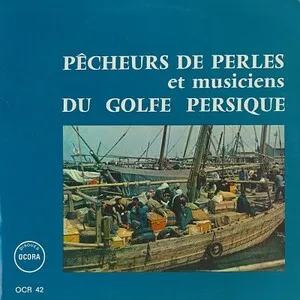
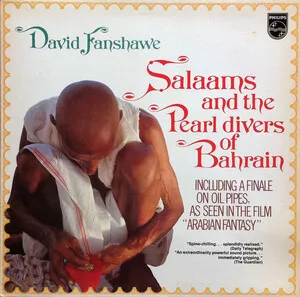
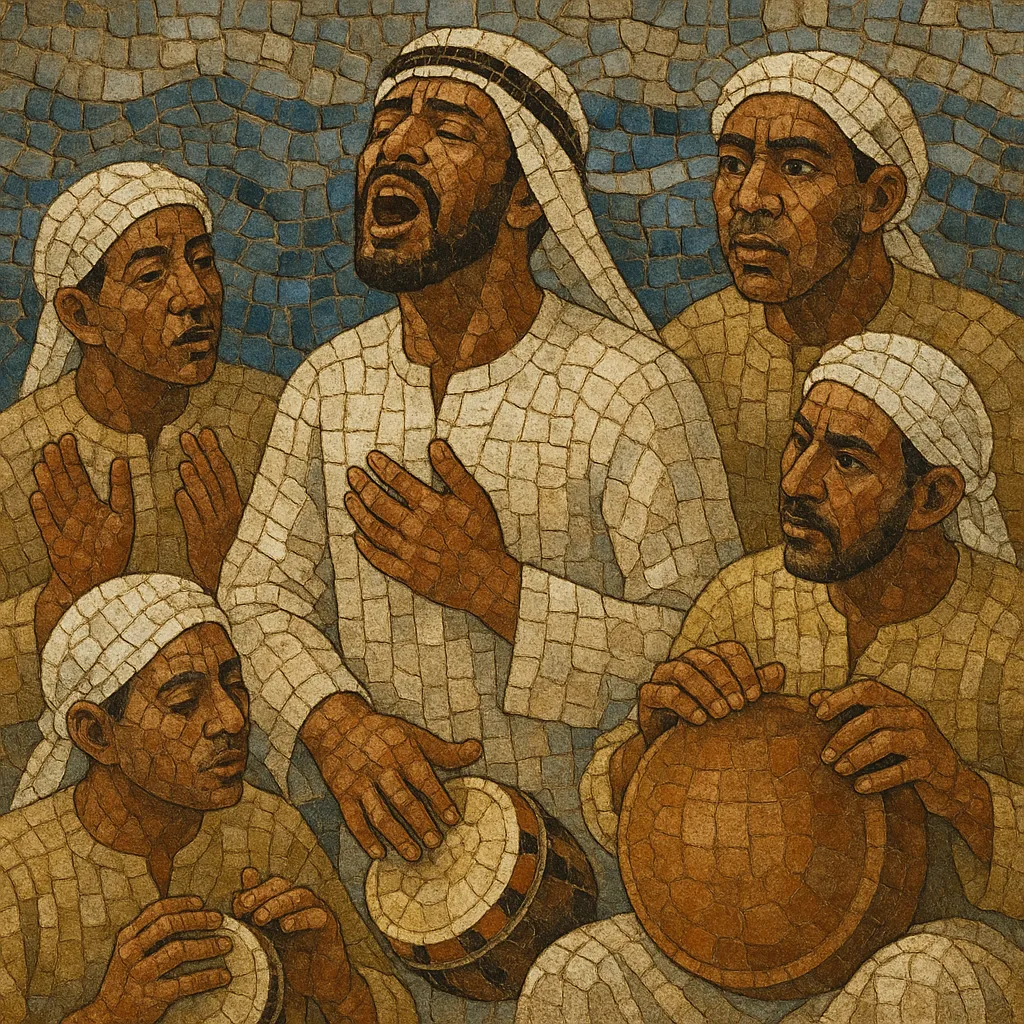
Fijiri (also spelled fidjeri) is the sea-song repertoire of the pearl-diving communities of the Persian Gulf, especially in Bahrain and Kuwait. It is led by a powerful soloist (the nahhām) who is answered by a chorus of divers, creating a call-and-response texture supported by handclaps and very sparse percussion.

The core instruments are the mirwās, a small double-sided hand drum played with the fingers, and the jāhlah, a clay pot struck and rubbed with the hands. Together with coordinated clapping, they generate the interlocking rhythms that propel the songs. Melodically, fijiri draws on Gulf-Arab modal practice and features melismatic, ornamented solo lines floating over the steady pulse of the chorus.

Traditionally performed at weekly gatherings of divers and crew, fijiri alternates free, emotive solos with tightly synchronized choral sections. The texts evoke the sea, the hardships and camaraderie of diving, spiritual reflection, and the longing felt during long voyages.


Sources: Spotify, Wikipedia, Discogs, RYM, MB, user feedback and other online sources

History

Maritime roots (19th century)

Fijiri emerged within the pearling economy that dominated the Gulf during the 19th century. Onshore and aboard dhows, crews gathered for weekly sessions where the nahhām led songs to coordinate labor, build morale, and offer spiritual solace. These gatherings codified a repertoire and performance practice centered on powerful solo declamation, antiphonal chorus, and coordinated clapping.

Peak and social function (late 19th–early 20th centuries)

As Bahrain and Kuwait became regional hubs of pearling, fijiri flourished as a distinctive musical identity. The repertory diversified into pieces for different moments—before departure, at sea, and on return—while remaining minimalist in instrumentation (mirwās, jāhlah, and handclaps). The music reinforced social bonds among divers and articulated a shared maritime worldview.

Disruption and preservation (mid–late 20th century)

The collapse of natural pearling in the 1930s–40s and rapid modernization diminished everyday performance contexts. Yet fijiri persisted in cultural houses, neighborhood ensembles, and heritage festivals, especially in Muharraq (Bahrain) and Kuwait City. Cultural organizations and state arts bodies began documenting, teaching, and presenting fijiri as intangible heritage.

Contemporary practice

Today fijiri is performed by dedicated heritage ensembles at community gatherings, museums, and festivals across Bahrain, Kuwait, and the wider Gulf. While the aesthetic remains proudly acoustic and communal, fijiri has also informed modern khaleeji song forms and serves as a touchstone for Gulf identity and maritime memory.

How to make a track in this genre

Ensemble and roles
•   Lead singer (nahhām): carries the melody with wide, melismatic phrases and expressive ornament. •   Chorus: a group of voices responding in tight unison, reinforcing the rhythmic framework with handclaps (tasfiq). •   Percussion: mirwās (small double-headed hand drum) and jāhlah (clay pot) played with hands, used sparingly to anchor the pulse.
Modal language and melody
•   Use Gulf-Arab modal practice (e.g., Bayāt, Ḥijāz, Rāst) and heterophonic delivery (lead freely ornaments above the choral line). •   Shape the solo line with sustained notes, slides, and mordents; favor stepwise motion with expressive leaps on climactic words. •   Alternate free-rhythm invocations by the nahhām with metrically grounded choral refrains.
Rhythm and form
•   Build patterns from layered handclaps and light strokes on mirwās/jāhlah; keep textures sparse so voices remain central. •   Structure pieces as call-and-response cycles: a free solo entrance, a choral answer in steady meter, and short instrumental/clapping interludes. •   Vary intensity by thickening claps and shortening solo lines as performance energy rises, then release back to freer solo space.
Texts and delivery
•   Center lyrics on the sea, the pearling voyage, devotion, homesickness, and collective endurance. •   Project the lead with a resonant, chest-driven tone; the chorus should be unified, steady, and rhythmically precise.
Rehearsal tips
•   Drill antiphonal timing between nahhām and chorus; agree on cue gestures. •   Balance mirwās/jāhlah levels to support (not cover) the voices; favor room acoustics over amplification. •   Maintain a communal circle or semicircle to preserve eye contact for cues and dynamic shaping.

Top tracks

Locked
Share your favorite track to unlock other users’ top tracks

Upcoming concerts

in this genre
Influenced by
Has influenced

Download our mobile app

Get the Melodigging app and start digging for new genres on the go
© 2026 Melodigging
Melodding was created as a tribute to Every Noise at Once, which inspired us to help curious minds keep digging into music's ever-evolving genres.
Buy me a coffee for Melodigging