Your digging level

For this genre
0/8
🏆
Sign in, then listen to this genre to level up

Description

Eastern Bloc groove is a crate‑diggers’ term for the funky, jazzy, and often cinematic grooves recorded across the socialist countries of Central and Eastern Europe during the Cold War era. Cut for film, radio, and state labels, these tracks blend tight funk rhythms, big‑band punch, soulful melodies, and psychedelic textures with regional folk modalities.

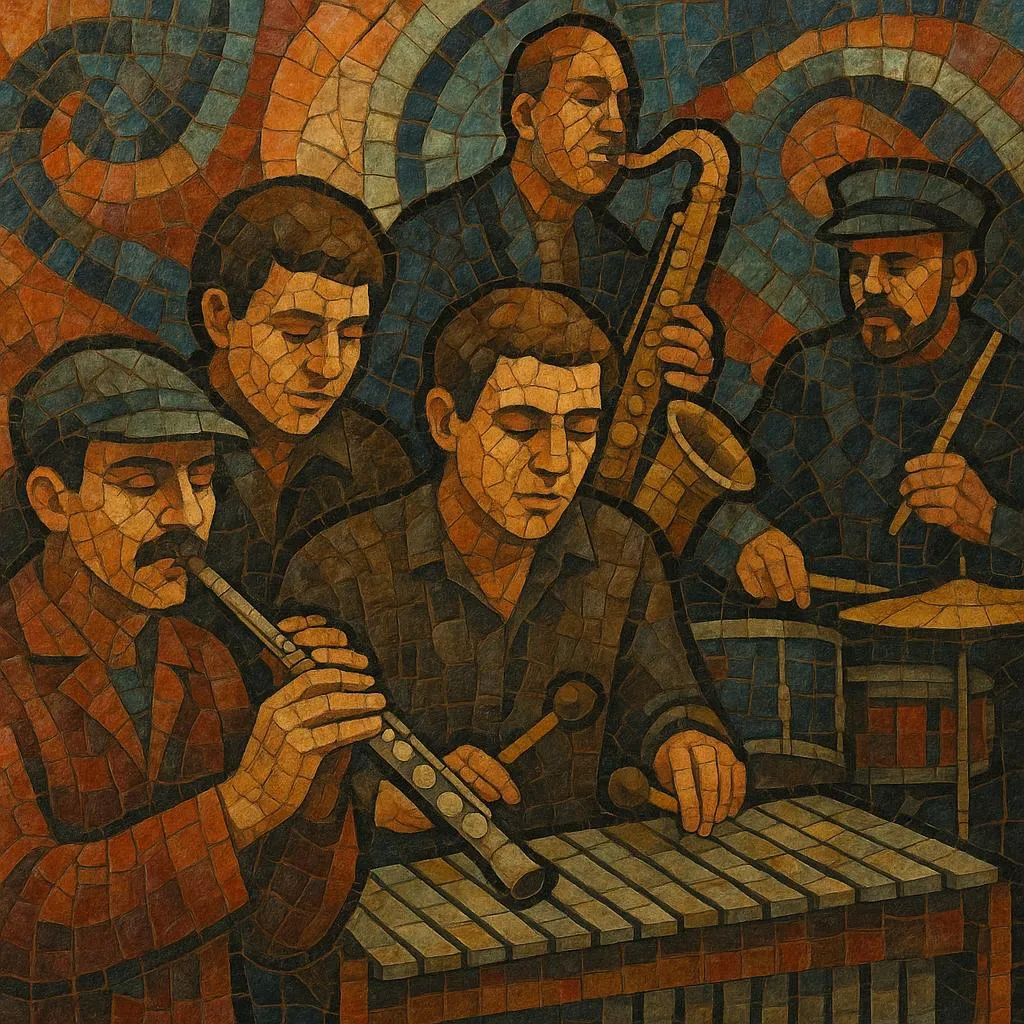
While spanning many nations (Poland, Czechoslovakia, the GDR/East Germany, Hungary, Romania, Bulgaria, the USSR, and Yugoslavia), the sound is unified by propulsive drum breaks, deep electric bass, coppery horn sections, vibraphone and flute leads, Hammond organs, and occasional early analog synths. The result is music that feels simultaneously familiar (US/UK funk and soul) and distinct (local scales, phrasing, and orchestration), sitting comfortably between jazz‑funk, library/soundtrack music, and groove‑oriented prog.


Sources: Spotify, Wikipedia, Discogs, RYM, MB, user feedback and other online sources

History

Origins (1960s)

In the 1960s, state broadcasting orchestras and conservatory‑trained jazz players across the Eastern Bloc began adopting contemporary Afro‑American rhythm sections and arranging techniques. Western records circulated via radio, touring artists, diplomats, and black‑market exchanges, inspiring local big bands and studio units to fuse jazz harmony with funk backbeats and regional folk colors.

The Golden Era (early–mid 1970s)

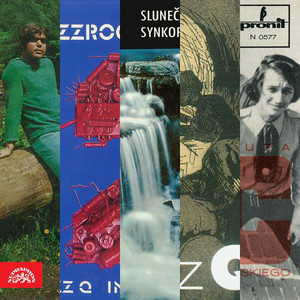
The early to mid‑1970s saw a flourishing of groove‑driven sessions for film/TV soundtracks, radio libraries, and LPs on state labels (e.g., Polskie Nagrania, Supraphon, Amiga, Hungaroton, Melodiya, Jugoton, Electrecord). Tight rhythm sections, vibraphone/flute leads, and brass stabs defined a distinctly East‑European jazz‑funk aesthetic, while psychedelic organs and early synthesizers added modern sheen. Bands and studio orchestras crafted music that was danceable, cinematic, and occasionally experimental.

Late 1970s–1980s: Diversification

By the late 1970s, disco and jazz‑rock fusion shaded the palette; some groups leaned prog/fusion, others pursued soulful pop (“estrada”). Political constraints and varying cultural policies shaped output, but the groove tradition persisted in library cues, film scores, and concert stages into the 1980s.

Rediscovery and Global Influence (1990s–present)

From the 1990s onward, hip‑hop producers, DJs, and reissue labels began unearthing Eastern Bloc LPs and reels, sampling their crisp drum breaks, moody chords, and bold horn lines. Compilations and reissues fueled international appreciation, and the sonic DNA of Eastern Bloc groove filtered into beat‑making, nu‑jazz, downtempo, and modern retro‑cinematic styles. Today it stands as a rich, pan‑regional archive of funk‑forward, jazz‑inflected music with a unique Eastern European accent.

How to make a track in this genre

Rhythm & Groove
•   Start with a tight, mid‑tempo funk pocket (≈90–115 BPM). Prioritize syncopated kick patterns, crisp snare on 2 and 4, and lightly swung or straight sixteenth‑note hi‑hats. •   Build dynamic drum fills and occasional open‑hat accents to simulate live, tape‑recorded rhythm sections.
Instrumentation & Timbre
•   Core: drum kit, electric bass (pick or fingerstyle with muted notes), rhythm guitar (clean, wah, or lightly overdriven), Hammond organ, Rhodes/Wurlitzer, and vibraphone or flute for melodic leads. •   Brass/Woodwinds: trumpet, trombone, alto/tenor sax for punchy stabs and short riffs; occasional clarinet/oboe for color. •   Keys/Synths: period‑correct analog tones (ARP/Moog‑like leads, string machines) used sparingly for psychedelic or cinematic atmosphere. •   Strings and percussion (congas, shakers) can add library/soundtrack character.
Harmony & Melody
•   Favor jazz‑funk progressions: ii–V movements, extended chords (maj7, min9, 13, sus), and modal vamping (Dorian/Aeolian). •   Infuse regional color with Eastern European/folk‑leaning modes: Phrygian, harmonic minor (and its “Hungarian minor” variant), occasional augmented seconds, and scalar ornaments. •   Melodies should be concise and motif‑driven, trading lines between flute/vibes and brass, with call‑and‑response figures.
Arrangement & Form
•   Think library cues: 2–4 minute tracks with strong intros, sectional contrasts, and memorable hooks. Use breakdowns to spotlight bass/drums or a solo (vibes, flute, organ, sax). •   Orchestrate like a compact big band: rhythm section foundation, unison horn riffs, then harmonized punches; layer countermelodies for cinematic depth.
Production Aesthetics
•   Emulate warm, analog tape: mild saturation, room mics, and natural plate/spring reverbs. Keep drums present but not overly compressed. •   Double or layer horn lines for thickness; pan keys/guitars for width; keep bass centered and forward.
Vocals & Lyrics (Optional)
•   Many tracks are instrumental; if using vocals, suit them to soulful pop or jazz phrasing, potentially in a local language. Themes can be urban life, travel, or film‑like vignettes rather than overt politics.
Practice Tip
•   Study period recordings from state label big bands and film/TV sessions; transcribe drum breaks and horn voicings, then hybridize with folk‑modal turns to achieve the authentic East‑European accent.

Top tracks

Locked
Share your favorite track to unlock other users’ top tracks

Upcoming concerts

in this genre
Influenced by
Has influenced

Download our mobile app

Get the Melodigging app and start digging for new genres on the go
© 2026 Melodigging
Melodding was created as a tribute to Every Noise at Once, which inspired us to help curious minds keep digging into music's ever-evolving genres.
Buy me a coffee for Melodigging