Your digging level
Description
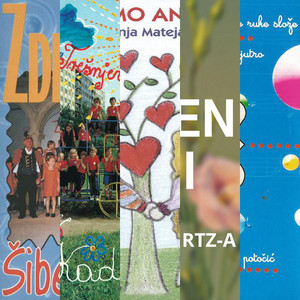
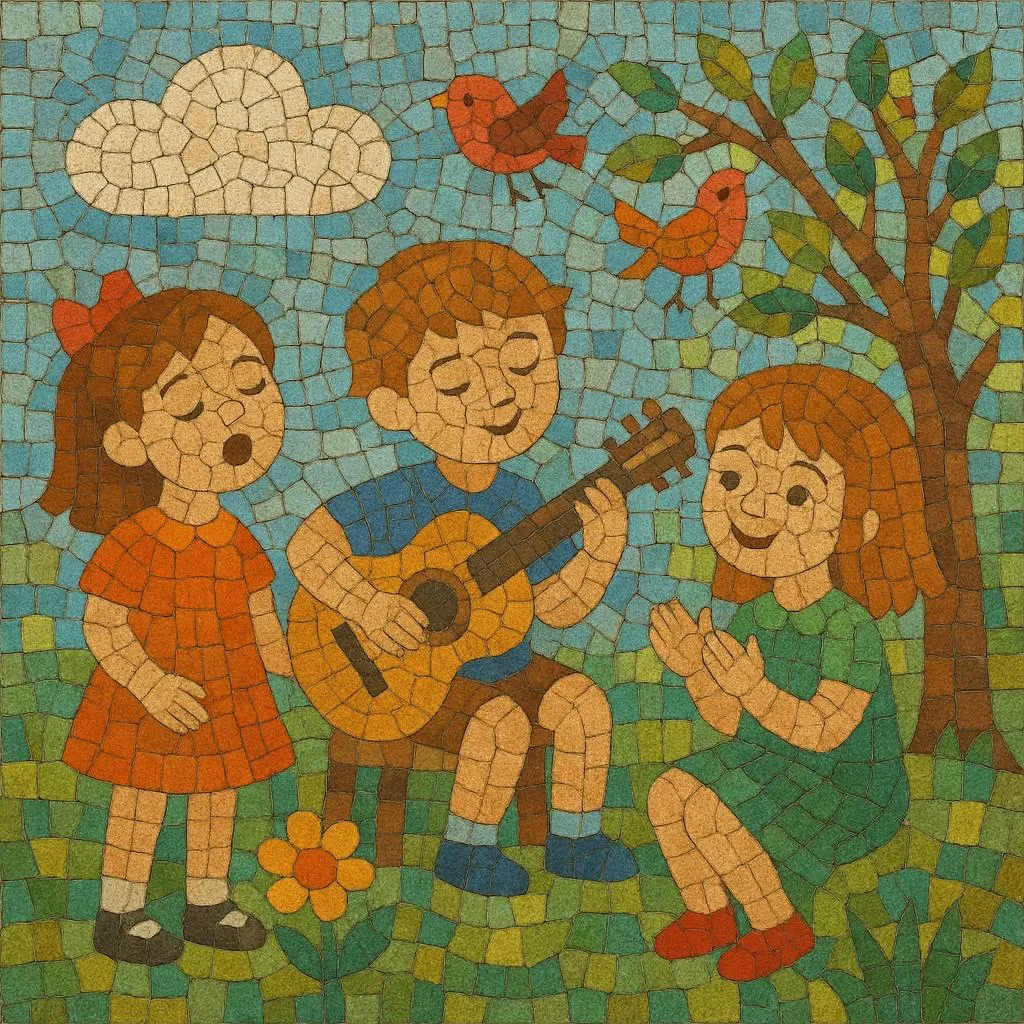
Dječje pjesme is the Croatian tradition of children’s songs, spanning lullabies, counting-out rhymes, action songs, and cheerful choir pieces written and arranged specifically for young voices.
Stylistically, the music favors clear, singable melodies in major keys, simple strophic forms, and short phrases within a comfortable vocal range. Lyrics often explore everyday childhood themes—animals, nature, seasons, friendship, play, and school—frequently drawing on local idioms and regional imagery.
Performance is commonly by children’s choirs (dječji zbor) accompanied by piano, light rhythm section, and Orff instruments; arrangements range from folk-inflected to pop‑schlager inspired. The repertoire also preserves lullabies (uspavanke) and traditional game songs while embracing contemporary studio production for radio, TV, and digital media.
History
Croatian children’s repertoire grew out of regional folk lullabies and game songs across Štokavian, Kajkavian, and Čakavian areas. Teachers and ethnographers compiled early school songbooks and nursery rhymes in the late 19th and early 20th centuries, establishing a written pedagogical tradition alongside oral practice.
After World War II, school choirs flourished and Radio/Television Zagreb (today HRT) began commissioning and broadcasting children’s music. Composers and educators produced didactic yet tuneful material suited to young voices, and children’s choirs became fixtures of cultural programming and local festivals.
Cassette and LP releases by children’s choirs proliferated. Arrangements absorbed light pop and schlager touches—catchy refrains, gentle backbeats, and bright orchestration—while maintaining clear diction and educational aims. During the 1990s, themes of peace, solidarity, and community often appeared alongside traditional topics.
Children’s choirs remain active in schools, cultural centers, and national broadcasting, while studios and independent producers release modern takes that blend folk elements with contemporary pop production. YouTube and streaming expanded access, and the repertoire continues to serve both educational settings and family entertainment.
Dječje pjesme typically employs simple strophic forms, diatonic harmony (I–IV–V with occasional ii/vi), and meters such as 2/4, 4/4, and 3/4 (for waltz-like lullabies). Call‑and‑response and unison/2‑part textures are common, supported by piano, light percussion, handclaps, and Orff ensemble timbres. The texts prioritize clarity, memorability, and positive, age‑appropriate storytelling.