Your digging level
Description
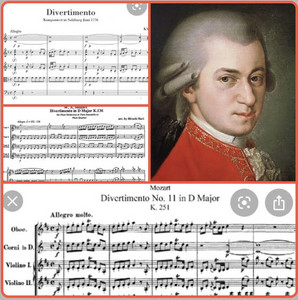
Divertimento is an 18th‑century secular instrumental genre whose name literally suggests “diversion” or “entertainment.” It is most often lighthearted in character and written for small ensembles (strings, winds, or mixed), although solo and larger chamber scorings also occur.
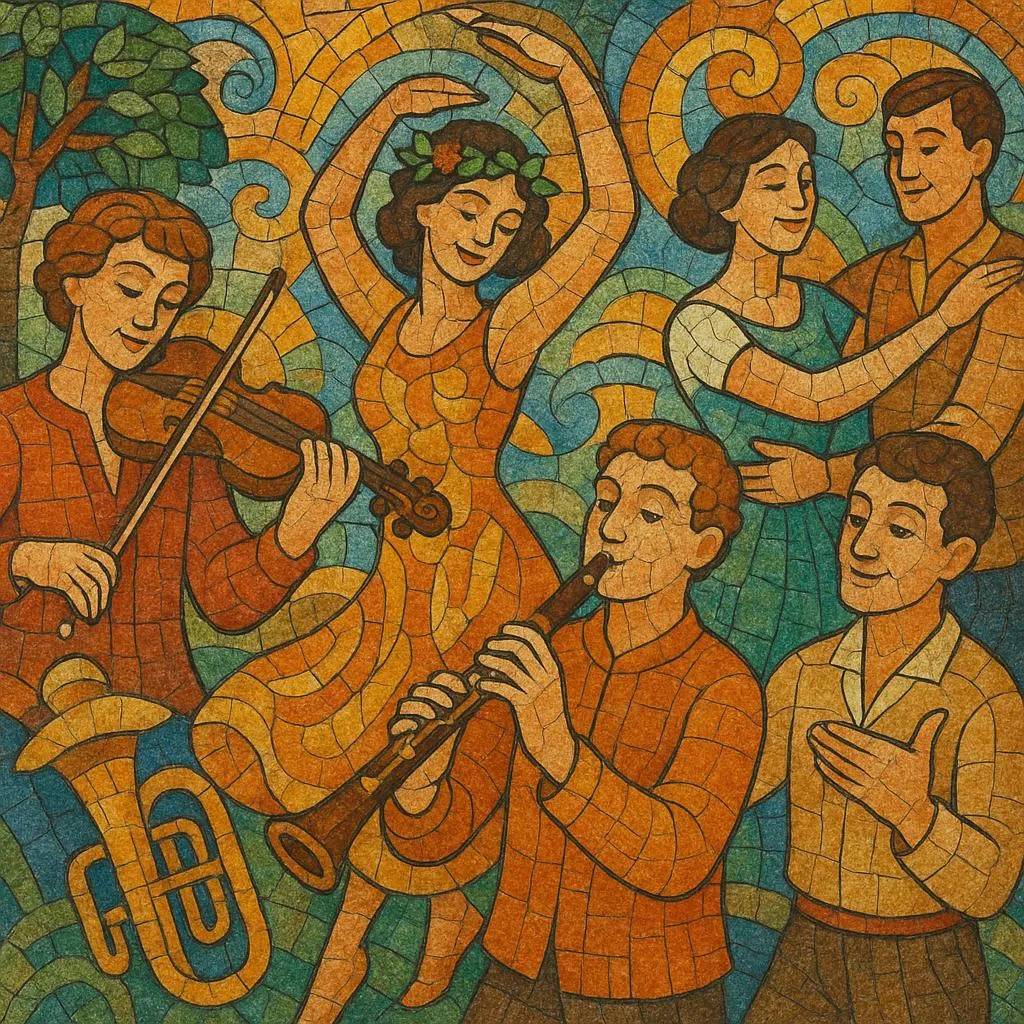
Typically cast in multiple short movements, a divertimento mixes elegant dances, marches, and tuneful sonata‑type movements. It overlaps in function and style with the serenade and cassation, and was heard at social occasions—outdoors, in salons, or at festive gatherings. After about 1780 the title was used especially for informal, lighter works, even as some composers wrote divertimenti with considerable craft and expressive range.
History
The divertimento coalesced in the first half of the 18th century in the Italian and Habsburg cultural spheres. As urban patronage and domestic music‑making flourished, composers supplied elegant, secular instrumental pieces designed to entertain—music suited to dining, garden parties, or courtly ceremonies. The term covered a broad category, overlapping with the serenade and cassation, and drawing on Baroque suite practice (a chain of contrasting dance‑like movements) while adopting the newer, tuneful “galant” style.
By mid‑century the divertimento had become a favored label for multi‑movement chamber works for strings (trios, quartets, larger ensembles), winds (especially Harmonie‑style groups), or mixed forces. Composers in Salzburg, Vienna, and Mannheim—among them the Haydn circle, Mozart, and their contemporaries—refined the genre’s balance of graceful melody, clear textures, and social utility. Movements often alternated sonata‑like fast pieces with minuets, marches, and lyrical interludes.
After about 1780, “divertimento” generally designated pieces that were informal or light in tone, even as some works display serious craft. The genre’s flexible scoring and movement plans helped normalize instrumental combinations and idioms that fed directly into the string quartet, wind ensemble repertory, and the emerging symphonic language.
Although the title waned in the 19th century, the divertimento’s ethos—courtly elegance, clear forms, and sociable charm—continued to inform chamber music and neoclassical revivals. The term is occasionally revived in the 20th–21st centuries for pieces that evoke 18th‑century poise or craft a suite‑like series of concise, entertaining movements.