Your digging level
Description
Danish pop is the mainstream popular music of Denmark, spanning Danish- and English-language songs with a strong emphasis on memorable melodies, polished production, and relatable storytelling.
It draws on local traditions like Dansktop (Danish-language pop for radio) while absorbing international waves such as disco, new wave, synth-pop, eurodance, and contemporary R&B/indie-pop.
A hallmark of the style is a clear, hook-led top-line, often tinged with a Scandinavian bittersweet mood that balances upbeat energy with reflective, sentimental undertones.
History
Danish pop coalesced in the 1960s as local artists adapted international rock and roll and pop to Danish tastes. A defining institution was DR’s Dansktop (launched in 1968), a radio chart that foregrounded Danish-language pop with catchy choruses and accessible themes. This era cemented a national appetite for melody-first songwriting and singable refrains, laying the groundwork for decades of mainstream pop.
In the 1980s, acts like Thomas Helmig, Sanne Salomonsen, and TV-2 modernized Danish pop with influences from new wave, synth-pop, and soft rock. By the 1990s, Danish artists were reaching international audiences: Aqua fused eurodance and bubblegum pop into global hits, while Michael Learns to Rock carried Danish songwriting sensibilities into adult contemporary pop across Asia and beyond. The period normalized bilingual output (Danish and English) and broadened production standards.
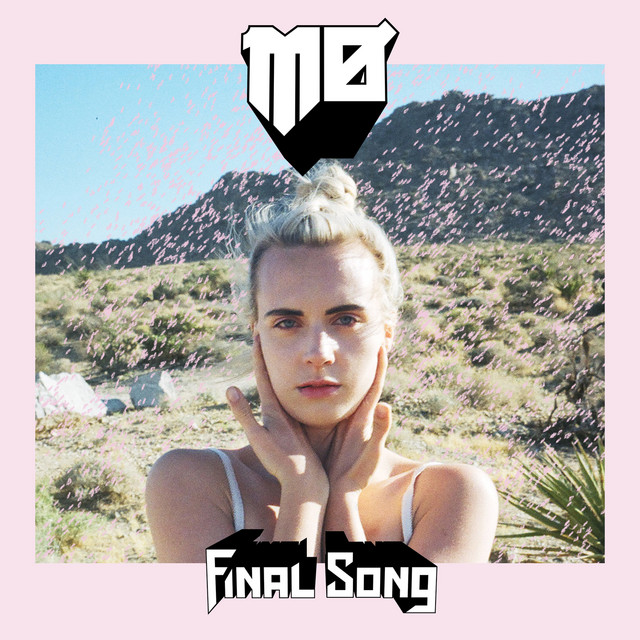
The 2000s saw a more electronic and R&B-aware mainstream with Medina and Alphabeat, and pop-rap crossovers from Nik & Jay. In the 2010s, MØ and Lukas Graham earned worldwide success, reflecting a modern mix of indie-pop textures, electronic production, and soul-inflected vocals. Streaming-era strategies (strong hooks, concise forms, and international collaborations) became core to the Danish pop playbook.
Contemporary Danish pop comfortably spans glossy dance-pop, emotive ballads, indie-leaning alt-pop, and radio-ready singer-songwriter material. Artists frequently switch between Danish and English, collaborate across Scandinavia, and draw on global club, R&B, and bedroom-pop trends—while retaining a distinctly melodic, hook-centric identity shaped by decades of Dansktop and radio culture.
Start with a strong topline: a memorable chorus hook first, then build verses and a concise pre-chorus that lifts into the chorus. Aim for 3–3:30 minutes with clear sections (Verse–Pre–Chorus–Post or Bridge) to suit radio/streaming.
Use diatonic, feel-good progressions (e.g., I–V–vi–IV or vi–IV–I–V). Keep melodies singable, with stepwise motion and a focal high note in the chorus. Add subtle melodic bittersweetness via relative minor shifts or suspended chords.
Common tempos: 90–110 BPM for midtempo pop and ballads, 110–128 BPM for dance-pop. Favor tight, quantized grooves with crisp kicks, bright claps/snares, and tasteful syncopation. Sidechain/pump against the kick in dance-oriented tracks.
Blend contemporary electronic elements (synth pads, plucks, basses) with organic touches (acoustic guitar, piano). Layer clean guitars or synth arpeggios for motion. Use modern pop production: vocal doubles, harmonies, ad-libs, and occasional vocal chops. Keep arrangements uncluttered, spotlighting the vocal hook.
Deliver clear, emotive vocals with subtle dynamics and light compression. Lyrics should be direct and relatable—love, friendship, growth, nostalgia. Consider both Danish and English versions if targeting local and international audiences.
Arrange to introduce and vary key motifs every 8 bars. Reserve the densest instrumentation for the chorus, strip back for verses, and add a short bridge for contrast. Mix for clarity and punch: controlled low end, present lead vocal, and polished high-end sheen suitable for radio/streaming.