Description
College rock is a broad label for the alternative-minded rock heard on student-run college and university radio, especially during the 1980s. It is as much a description of a listening network as of a single musical style: student programmers gave space to music outside the commercial rock mainstream.
The sound could range from noisy and experimental to melodic and pop-oriented. Many acts combined post-punk or new wave experimentation with catchy songwriting, jangling or twangy guitars, and an underground sensibility. These shared tendencies never made the category uniform; electronics, power pop and country-influenced music could also find a place on college playlists.
History
Beginnings
College rock grew out of hardcore punk and the new wave and post-punk scenes that developed in the late 1970s. Its name referred less to a fixed sound than to the college radio stations that brought varied independent-minded music to listeners. Athens, Georgia, was an important early center, with R.E.M. among its college rock bands.
Radio and regional scenes
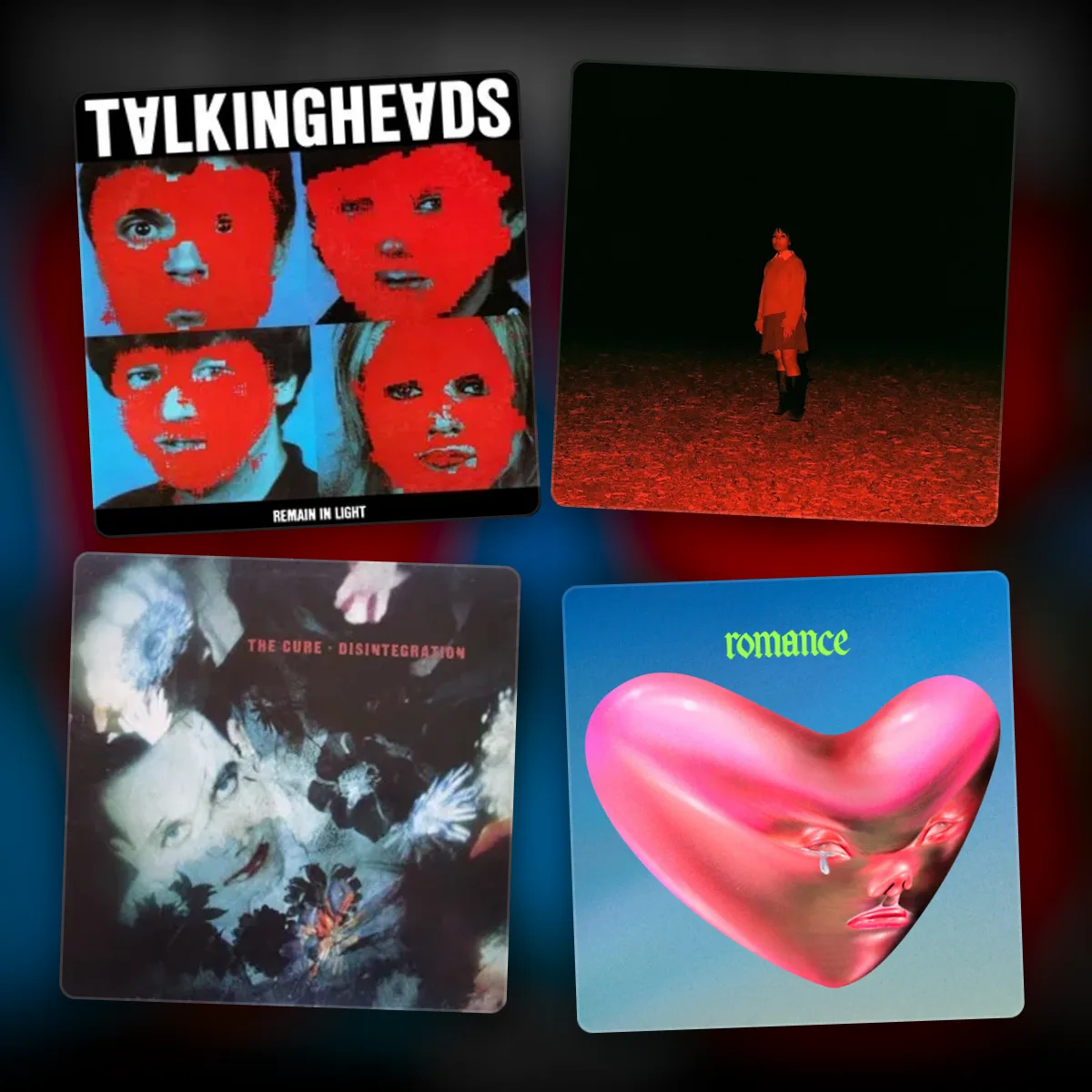
During the 1980s, college radio gave an audience to regional scenes across the United States. Minneapolis was associated with the Replacements and Hüsker Dü, while Boston was home to Pixies and Throwing Muses. British groups including the Smiths, the Cure and the La's also reached American college-radio listeners.
The music gained dedicated coverage: the CMJ New Music Report charted artists played on college radio, and in September 1988 Billboard introduced a chart tracking modern-rock and college-radio airplay.
Into the 1990s
As the term “alternative” became common in the 1990s, college rock was increasingly understood as a label for the preceding decade's alternative music. Grunge and indie rock came to the fore in the alternative sphere, while some college stations shifted toward more abrasive indie sounds.
Start with a song
Build around a strong vocal melody and a recognizable hook. Jangling or twangy guitar parts can give a pop-oriented song the texture associated with many college rock acts. Try lyrics with vivid, poetic imagery rather than relying only on direct statements.
Introduce contrast
Draw on post-punk and new wave experimentation without losing the song's melodic center. You could set a bright guitar figure against a more insistent rhythm section, or let an unconventional instrumental passage interrupt an otherwise straightforward verse and chorus.
Choose the edges
College rock accommodates considerable variety, so decide how polished, noisy or sparse the arrangement should be. You could use a simple band setup for an immediate, underground feel, or add electronic and country-colored details where they serve the song. Keep those choices connected to the hook rather than treating any one texture as a mandatory formula.