Your digging level for this genre

0/8
🏆
Sign in, then listen to this genre to level up

Description

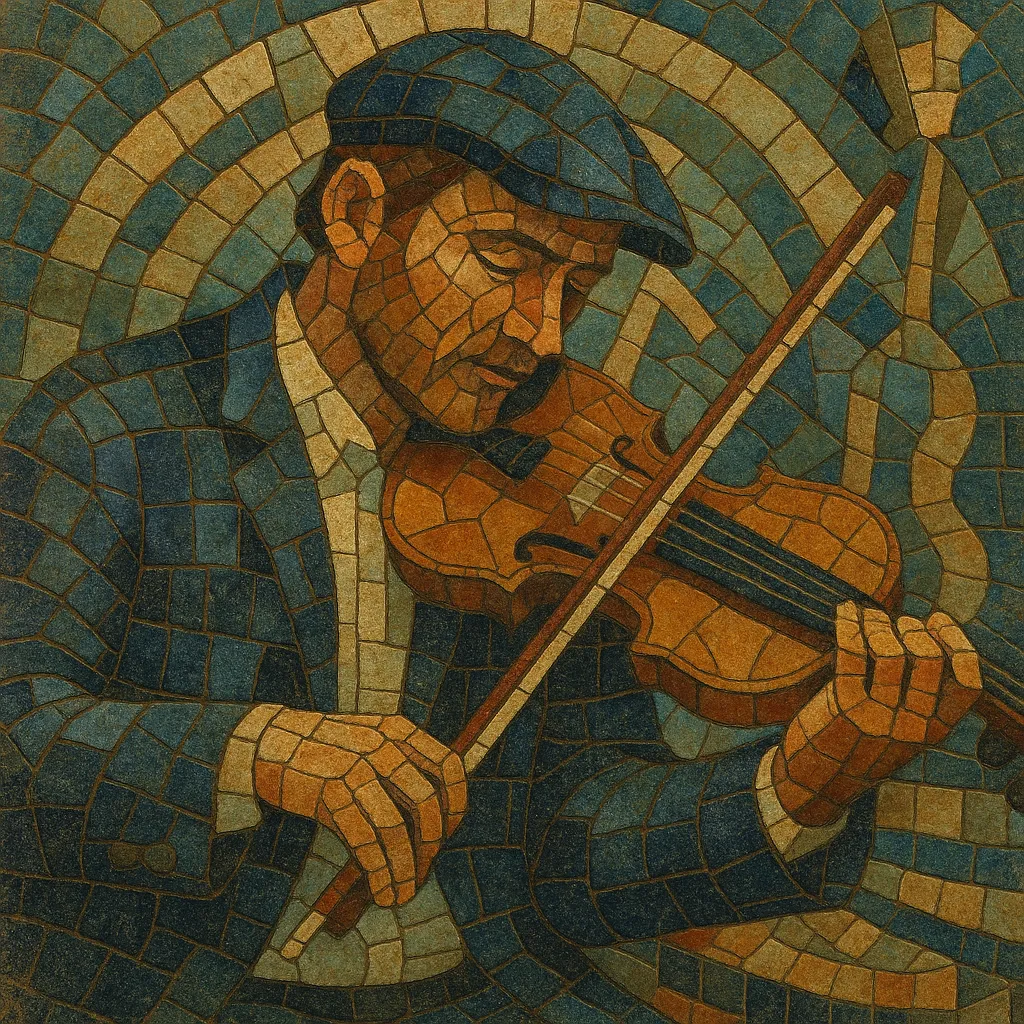
Cape Breton fiddling is a vigorous Scottish-Gaelic–rooted violin tradition from Cape Breton Island in Nova Scotia, Canada. It is best known for driving dance rhythms, pipe-influenced ornaments, and distinctive piano accompaniment that propels step dancing.

Typical sets string together marches, strathspeys, reels, and jigs, often moving from a measured stride to high-energy dance tunes. Hallmarks include the strathspey’s “Scotch snap,” pulsing bow accents, crisp articulation for dancers, modal tonalities (especially mixolydian and dorian), and robust left-hand/bass-run piano vamps that mirror Highland pipe and dance band grooves.

History

Origins (18th–19th centuries)

Scottish Gaels who settled on Cape Breton Island during and after the Highland Clearances brought with them strathspeys, reels, marches, and jigs, along with a strong step-dance culture and pipe repertoire. Geographic isolation on the island helped preserve older Scottish styles of bowing, ornamentation, and repertoire that elsewhere evolved differently.

Community lifeblood and early recordings (1900s–1960s)

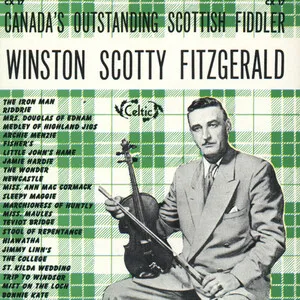
Fiddle music thrived at house parties, parish halls, and community dances, with piano becoming the favored accompanist to support dancing. Radio broadcasts and early recordings by seminal players—most notably Winston "Scotty" Fitzgerald—codified a Cape Breton approach: bright tempos, clean articulation, and tune medleys built for dancers.

Revival and international visibility (1970s–1990s)

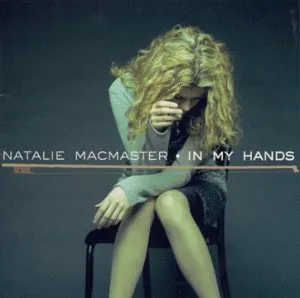
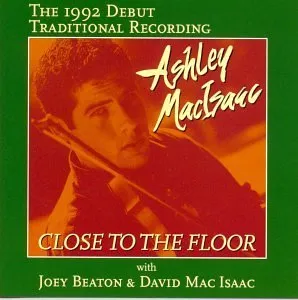
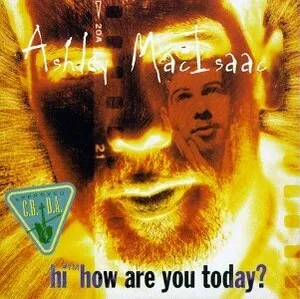
A 1970s revival, led by local associations and festivals, re-energized the tradition, revealing a deep well of local composers and tune books. Artists like Buddy MacMaster, Jerry Holland, and the Rankin musical family popularized the style across Canada. In the 1990s, stars such as Natalie MacMaster and Ashley MacIsaac brought the music to global stages, fusing it at times with rock or pop while keeping dance-driven core aesthetics.

Today

Cape Breton fiddling remains vibrant in kitchens, halls, and festivals (e.g., Celtic Colours International Festival). New generations uphold the march–strathspey–reel set format, expand the repertoire with newly composed tunes, and sustain the characteristic piano style while collaborating across broader Celtic and folk scenes worldwide.

How to make a track in this genre

Core instrumentation and role
•   Lead: Fiddle (violin) carrying melody and dance pulse. •   Accompaniment: Piano in the Cape Breton style (left-hand bass runs and alternating oom-pah figures; right-hand chords and syncopated punches). Guitar (often dropped-D or standard) can add steady boom-chuck and bass notes. Step-dance footwork may supply live percussive drive.
Repertoire and forms
•   Build medleys for dancers: a march → strathspey(s) → reels; or sets of jigs, occasionally slides/hornpipes. Keep keys related for smooth transitions (e.g., D major to A major) and modulate subtly for lift. •   Draw from Scottish/Cape Breton tune books (e.g., Dan R. MacDonald, Jerry Holland) and traditional sources. Favor major, mixolydian (e.g., D or A mixolydian), and dorian modes common to pipe tunes.
Rhythm, bowing, and ornaments
•   Reels: strong down-bow accents at phrase starts; tight eighth-note drive with light swing; crisp separation to maintain lift. •   Strathspeys: articulate the “Scotch snap” (short–long) and emphasize internal pulse with controlled bow pressure and quick grace notes. •   Jigs: steady 6/8 with clear 2-beat grouping; keep lift for step dance. •   Ornaments: use Scottish/Cape Breton idioms—cuts, rolls, grace-note flicks, birls, and occasional double-stops/drones to echo pipes.
Harmony and accompaniment patterns
•   Harmony is diatonic and dance-focused: I–IV–V progressions with occasional modal color; piano provides walking bass, octave jumps, and chromatic approach runs between chords. •   Arrange accompaniment to mirror dancers’ energy: tighten voicings on strathspeys, open up and drive harder on reels, keep jigs buoyant.
Practice and production tips
•   Practice with foot-tapping or a step dancer to internalize lift and tempo stability. •   Sequence sets with dynamic arcs—start solid, peak with fast reels, and lock endings with shared cadences. •   In recording/live sound, keep fiddle forward and dry enough to preserve articulation; mic piano for bass clarity and percussive right-hand punch.

Top tracks

Locked
Share your favorite track to unlock other users’ top tracks
Influenced by
Has influenced
Challenges
Digger Battle
Let's see who can find the best track in this genre
© 2025 Melodigging
Melodding was created as a tribute to Every Noise at Once, which inspired us to help curious minds keep digging into music's ever-evolving genres.
Buy me a coffee for Melodigging