


Your digging level

For this genre
0/8
🏆
Sign in, then listen to this genre to level up

Description

Boy soprano is a vocal category rather than a single stylistic genre: it refers to pre‑pubescent male singers who carry the soprano (treble) line, typically with a bright, pure, and largely straight‑toned sound.

Historically associated with European sacred music—cathedral and monastery choirs in particular—the boy soprano voice became the default treble sonority in Anglican and many Catholic institutions. The repertoire spans chant, Renaissance polyphony, Baroque anthems and motets, Classical and Romantic liturgical works, and modern anthems and carols, as well as selected opera roles and concert works written for a boy treble soloist.

In performance, the timbre favors clarity of diction, purity of line, light vibrato (if any), and a comfortable tessitura in the upper treble. Accompaniment ranges from unaccompanied choral textures to organ, chamber ensembles, and full orchestra.

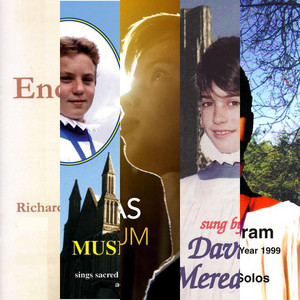

Sources: Spotify, Wikipedia, Discogs, RYM, MB, user feedback and other online sources

History

Origins (Late Medieval to Renaissance)
•   The use of boys to sing the highest choral parts took root in monastic and cathedral scholae during the late Middle Ages. As organized liturgical polyphony flourished in the 15th and 16th centuries, treble lines were commonly entrusted to trained choirboys, establishing the archetypal "boy treble" sonority in sacred music.
Baroque and Classical Eras
•   While Italian opera houses favored castrati for virtuosic soprano roles, churches and collegiate chapels across northern Europe—especially in England and the German‑speaking lands—continued to cultivate boy sopranos for anthems, motets, passions, and cantatas. Choir schools formalized intense musical education, integrating general studies with daily liturgical singing and sight‑reading.
19th–20th‑Century Choral Culture
•   In Britain, the Anglican choral tradition (cathedral and collegiate choirs) standardized the sound of boy trebles supported by adult male altos/tenors/basses. On the continent, venerable boys’ choirs—some dating back centuries—maintained the practice in Catholic cathedrals and court chapels. The advent of recording and radio in the 20th century amplified public familiarity with the boy soprano sound, tying it closely to Christmas carols, anthems, and sacred broadcasts.
Contemporary Practice
•   Today, many historic choirs still feature boys on the top line, though a number of institutions now field parallel girls’ choirs. The "boy soprano" (or "treble") remains a distinctive color in sacred and concert music, with solo opportunities in oratorios and select operas. Modern pedagogy emphasizes vocal health, language skills, and musicianship to navigate a brief but radiant performing window before voice change.

How to make a track in this genre

Range, Tessitura, and Line
•   Write the solo line primarily between C4 and A5, keeping the tessitura centered around E4–E5 to avoid fatigue. Reserve the very top notes (G5–A5) for climaxes and keep them brief. •   Favor stepwise motion and graceful, singable contours; use leaps sparingly and resolve them smoothly.
Text and Style
•   Choose clear texts (Latin, English, German, etc.) and align natural word stress with musical accents. Aim for clarity of diction and legato phrasing. •   Expect a largely straight tone with minimal vibrato; musical expressivity should come from dynamics, articulation, and phrasing.
Harmony and Accompaniment
•   For sacred/choral writing, support the treble with transparent harmonies—organ, string ensemble, or a cappella textures. Avoid overly dense orchestrations that mask a light treble voice. •   Classical tonal language (I–IV–V progressions), modal color for chant‑derived materials, and gentle suspensions work well. Keep accompaniments light in the upper midrange to leave space for the soprano line.
Choral Balance and Forces
•   In SATB settings with boys on the top line, balance dynamics so the treble remains clear over adult lower voices. In unison treble passages, ensure the melody projects without strain, especially in reverberant acoustics.
Practicalities and Pedagogy
•   Write comfortable phrases with natural breathing points every 6–10 seconds. Mark rests for recovery after high peaks. •   Rehearsal‑friendly keys (F, G, A♭, B♭ major) often sit well for treble choirs. Provide piano/organ reductions that cue essential orchestral lines for practice.

Top tracks

Locked
Share your favorite track to unlock other users’ top tracks

Upcoming concerts

in this genre
Influenced by
Has influenced

Download our mobile app

Get the Melodigging app and start digging for new genres on the go
© 2026 Melodigging
Melodding was created as a tribute to Every Noise at Once, which inspired us to help curious minds keep digging into music's ever-evolving genres.
Buy me a coffee for Melodigging
