Your digging level for this genre

0/8
🏆
Sign in, then listen to this genre to level up

Description

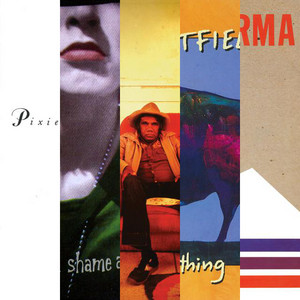
Boston rock is a regional rock scene centered on Boston, Massachusetts, known for marrying no‑nonsense, blue‑collar hard rock with arty, college‑radio experimentation. The sound ranges from polished arena rock (Boston, Aerosmith) and sleek new wave hooks (The Cars) to angular post‑punk and indie innovations (Mission of Burma, Pixies).

A strong university and club infrastructure (The Rat, Paradise, The Channel) fostered tight, hook‑forward songwriting, crisp guitar tones, and rhythmic punch. Lyrically, Boston rock often blends streetwise grit with wry intelligence and romantic fatalism, reflecting both the city’s working‑class roots and academic culture.


History

Origins (early–mid 1970s)

Boston’s rock identity cohered in the 1970s around clubs like The Rathskeller ("The Rat") and a dense network of college radio stations. Hard‑driving outfits such as Aerosmith and the arena‑ready band Boston established a high‑craft, guitar‑centric template rooted in blues rock and hard rock, while The Modern Lovers sketched a proto‑punk sensibility with literate minimalism.

Late 1970s–1980s: New wave and post‑punk lift‑off

The Cars exported a sleek, synth‑tinted, radio‑perfect strain of Boston rock to the mainstream, bridging power pop, new wave, and artful arrangement. Simultaneously, Mission of Burma and local punk scenes advanced a noisier, more angular post‑punk vocabulary—tape loops, harmonic clangor, and intellectual bite—powering Boston’s reputation as a thinking person’s rock town supported by college radio.

Late 1980s–1990s: Indie and alternative influence

Pixies’ quiet‑loud dynamics, surreal lyricism, and razor‑edged hooks became globally influential, feeding directly into 1990s alternative and even grunge. The Lemonheads, Buffalo Tom, Morphine (with its low‑sax, bass‑driven noir), and ’Til Tuesday diversified the palette—jangly melancholia, baritone sax darkness, and sophisticated pop intuition.

2000s–present: Legacy and ongoing scenes

Later waves built on those foundations—local DIY venues and universities continually replenished bands that prize concise hooks, articulate guitars, and punchy rhythm sections. The Boston rock ethos—craft, intensity, and brains—remains a touchstone for indie and alt‑rock artists worldwide.


How to make a track in this genre

Setup and instrumentation
•   Core band: two electric guitars (one rhythm, one lead), electric bass, drums, and a confident lead vocal. Add keyboards/synths for new‑wave sheen; consider baritone sax or unusual timbres for noir textures (a nod to Morphine’s influence).
Harmony and melody
•   Prioritize hooky, diatonic progressions (I–V–vi–IV, I–bVII–IV) with occasional modal color (Mixolydian) or suspended chords for tension. •   Use contrasting verse/chorus dynamics: quieter, open‑voiced verses and explosive, power‑chord choruses—Pixies‑style quiet‑loud. •   Lead lines should be singable motifs or angular, post‑punk figures that interlock with the vocal.
Rhythm and groove
•   Drums: crisp, upfront snare and tight hi‑hats; tempos commonly 110–160 BPM for rockers. Keep kick/snare patterns driving but leave space for guitar interplay. •   Bass: melodic counter‑lines that anchor harmony while pushing momentum; consider octave jumps and walking fragments for energy.
Arrangement and production
•   Emphasize clarity and punch—Boston rock favors articulate guitars and strong vocal presence. •   Double rhythm guitars in choruses; pan hard‑left/right for width. Introduce short stop‑time breaks before choruses to spotlight hooks. •   For a new‑wave tilt, add clean chorus/flanger on guitars and synth pads. For a post‑punk edge, favor drier rooms, slight saturation, and percussive picking.
Lyrics and vocal delivery
•   Blend street‑level realism with wit and artful brevity: themes of urban romance, restlessness, and sardonic observation. •   Delivery should be confident and direct; harmonies in choruses reinforce memorability.
Song forms and workflow
•   Classic forms (Verse–Chorus–Verse–Chorus–Bridge–Chorus) with tight runtimes (3–4 minutes). •   Write the chorus first; build verses that set lyrical stakes and pre‑choruses that heighten expectation. •   Rehearse as a live unit—Boston rock thrives on tight, in‑the‑room interplay.

Top tracks

Locked
Share your favorite track to unlock other users’ top tracks
Influenced by
Has influenced
Challenges
Digger Battle
Let's see who can find the best track in this genre
© 2025 Melodigging
Melodding was created as a tribute to Every Noise at Once, which inspired us to help curious minds keep digging into music's ever-evolving genres.
Buy me a coffee for Melodigging