Your digging level

For this genre
0/8
🏆
Sign in, then listen to this genre to level up

Description

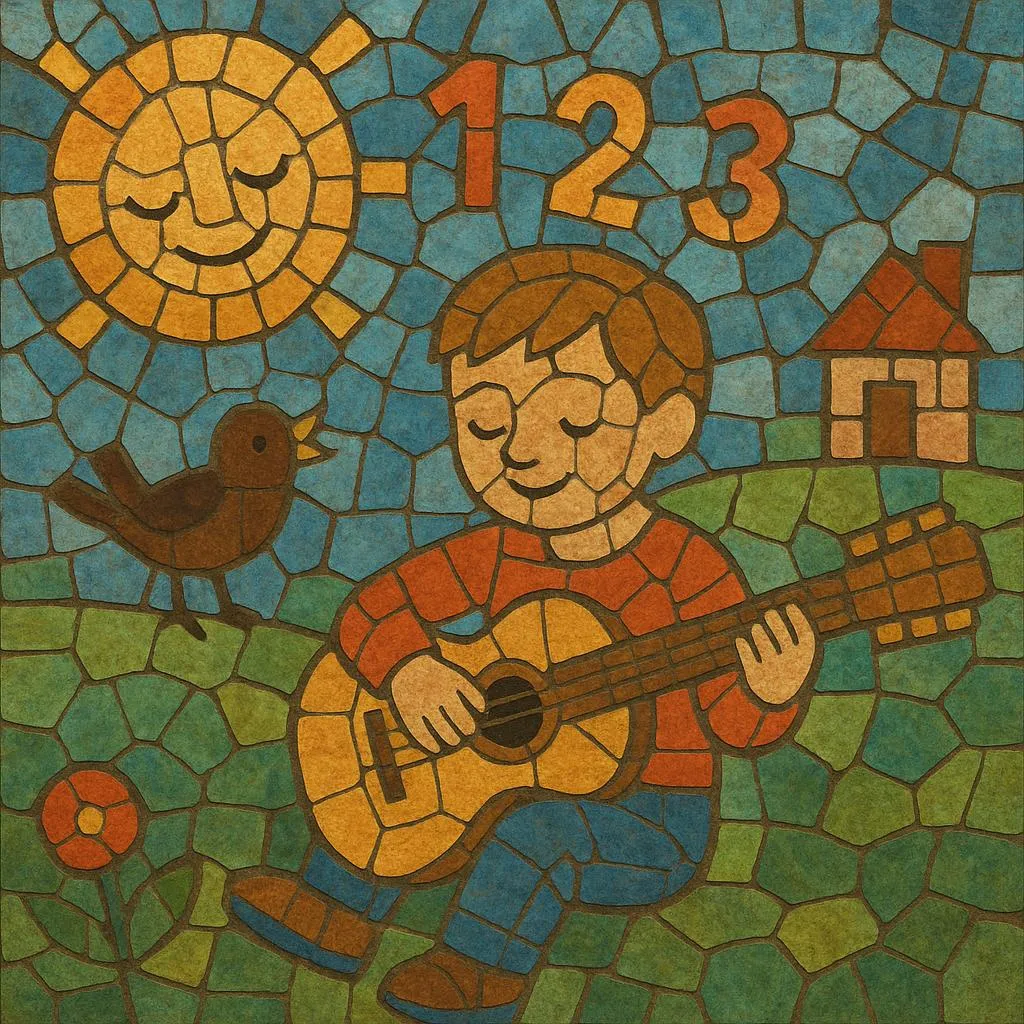
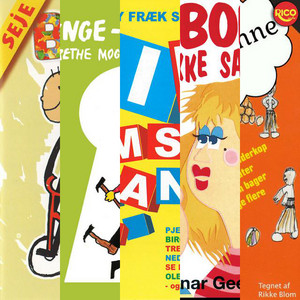
Bornesange (Danish: “børnesange”) refers to Danish children’s songs—simple, memorable pieces created for and often performed by children in homes, schools, preschools, and public broadcasting.

They typically feature diatonic melodies within a narrow vocal range, repetitive forms, and lyrics about everyday life, animals, play, counting, seasons, and bedtime. The style spans traditional nursery rhymes transmitted orally and modern, media-driven repertoire connected to educational TV, theatre, and school songbooks.

While largely acoustic and voice-led, bornesange today also embraces pop, folk, and light rock arrangements designed to encourage participation through clapping, call-and-response, gestures, and movement.


Sources: Spotify, Wikipedia, Discogs, RYM, MB, user feedback and other online sources

History

Origins (19th century)

Danish children’s songs are rooted in oral nursery-rhyme traditions, seasonal verse, and folk tunes sung in homes and village schools. These pieces favored short, repetitive lines and clear rhythms to aid memory and group participation.

Early 20th century: Songbooks and schooling

With the expansion of public schooling, children’s songbooks and pedagogical collections standardized texts and tunes. Music educators promoted singing as a core tool for language, rhythm, and social learning, preserving folk materials while commissioning new pieces explicitly for classrooms and choirs.

Mid–late 20th century: Broadcasting and theatre

After World War II, Danmarks Radio and children’s theatre nurtured a shared national repertoire. TV and stage productions introduced new songs that balanced education and entertainment, helped by charismatic presenters, puppets/characters, and topical themes. These works kept the folk-like accessibility but adopted contemporary harmonies and arrangements.

Late 20th–early 21st century: Pop influence and diversification

From the 1990s onward, pop production values, light rock instrumentation, and media branding broadened the style’s reach. Schools and preschools continued to use classics while new material addressed modern everyday life and multicultural classrooms. Digital streaming, lyric videos, and karaoke tracks encouraged at-home singing and movement.

Today

Bornesange remains a living tradition: teachers, families, broadcasters, and theatre companies continually refresh the canon. Many older lyrics have been updated in contemporary performances to reflect inclusive language, while the core ideals—singability, play, and participation—remain intact.

How to make a track in this genre

Core characteristics
•   Aim for short, diatonic melodies (major keys are common) within a limited vocal range (about one octave) to suit children’s voices. •   Use simple, memorable hooks and call-and-response phrases to invite group singing and interaction.
Harmony and melody
•   Keep harmony functional and uncluttered (I–IV–V with occasional ii/vi). Avoid dense extensions. •   Melodic contours should be stepwise with small skips; repeat motifs and use question–answer phrases.
Rhythm and form
•   Favor 2/4 or 4/4 for play and movement songs; 3/4 or 6/8 for lullabies and gentle sways. •   Use short verses with refrains; consider cumulative/counting structures for memory and participation.
Lyrics and themes
•   Write concrete, everyday images: animals, colors, weather, playtime, routines (good morning/night), friendship, and counting. •   Employ rhyme, alliteration, onomatopoeia, and simple Danish syntax. Keep lines short and easy to articulate. •   Encourage actions (clap, stomp, wave), role-play, and call-and-response prompts embedded in the text.
Instrumentation and production
•   Acoustic guitar or piano as a foundation; add light percussion (shakers, hand claps, cajón), bass, and optional ukulele/recorder. •   For modern arrangements, subtle drums and bright pop textures are fine, but keep vocals front-and-center with clear diction. •   Maintain moderate tempos suited to group movement; leave space for spoken interludes or counting.
Performance tips
•   Lead with clear gestures and cues; invite repeats, dynamics (soft/loud), and tempo games. •   Provide alternative keys or capo positions to fit young voices.
Lullaby variant
•   Use rocking meters (3/4), soft dynamics, slower tempos, and gentle arpeggiated accompaniment. •   Lyrics should be soothing, focusing on nighttime imagery and reassurance.

Top tracks

Locked
Share your favorite track to unlock other users’ top tracks

Upcoming concerts

in this genre
Influenced by
Has influenced

Download our mobile app

Get the Melodigging app and start digging for new genres on the go
© 2026 Melodigging
Melodding was created as a tribute to Every Noise at Once, which inspired us to help curious minds keep digging into music's ever-evolving genres.
Buy me a coffee for Melodigging