Description
American rock is the broad field of rock music made in the United States, rather than a single sound. Its foundations lie in rock and roll’s mixture of rhythm and blues, gospel and country, with later currents drawing on folk, blues, jazz and other traditions.
The music ranges from the reverberant guitars and vocal harmonies of surf music to folk rock, blues-based hard rock, Southern rock, punk and grunge. Electric guitars and drums are central to many bands, but acoustic instruments, layered harmonies, improvisation and electronic techniques also appear in different currents. Regional scenes and independent labels have existed alongside a major commercial industry, with some styles moving from local or underground audiences into the mainstream.
Rock has also faced criticism within the United States: some Christian religious leaders have condemned it as immoral or anti-Christian, while Christian rock performers have made rock within a religious music scene.
History
Rock and roll and early diversification
American rock grew from rock and roll, which emerged in the United States in the late 1940s and early 1950s through a mixture of Black musical traditions, including rhythm and blues and gospel, with country and western music. Early hitmakers included Chuck Berry and Elvis Presley. Rock and roll became a major commercial force, while performers developed approaches ranging from country-influenced rockabilly to harmony-led doo wop.
Surf, folk and psychedelia
In the early 1960s, Southern California became a center of surf music. Instrumental players used prominent reverberation, while The Beach Boys brought vocal harmonies to commercially successful surf songs. The British Invasion of the American charts from 1964 altered the commercial landscape and encouraged the prominence of self-contained guitar-and-drum groups.
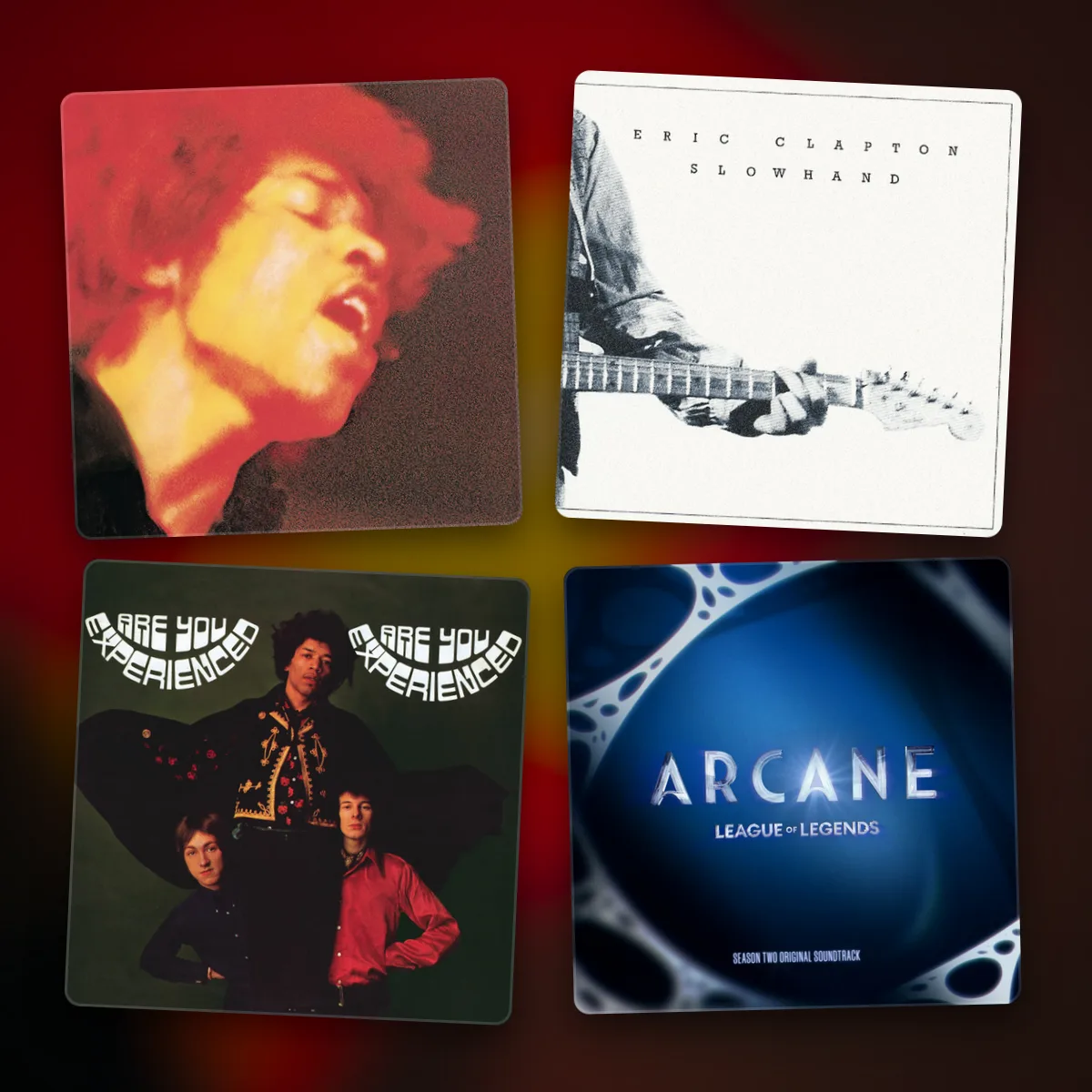
Folk rock gained momentum when The Byrds took Bob Dylan’s “Mr. Tambourine Man” to the top of the charts in 1965. Dylan’s own adoption of electric instruments that year angered some folk purists, who objected to the change. Psychedelic rock developed in several scenes, notably in California and Texas; the 13th Floor Elevators advertised themselves as a psychedelic rock group at the end of 1965. Blues rock also flourished, with performers including Jimi Hendrix.
Roots, punk and new directions
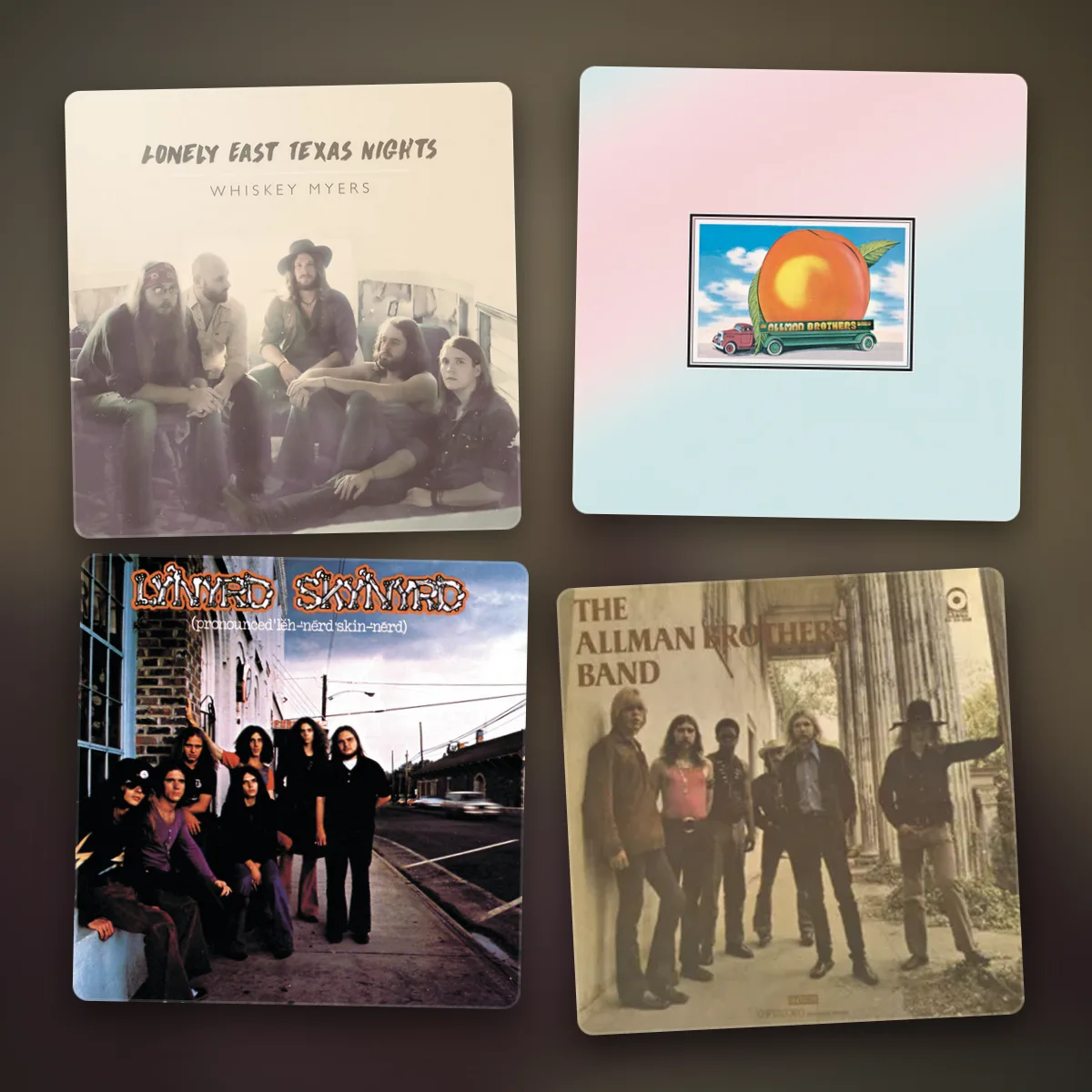
In the late 1960s and early 1970s, roots-oriented musicians brought country, folk and blues influences back into rock. Creedence Clearwater Revival was among the prominent groups in this movement, while the Allman Brothers Band helped establish Southern rock. During the 1970s the scene also encompassed soft rock, hard rock, progressive rock and heavy metal.
Punk developed in the United States and the United Kingdom in the mid-1970s. In New York, the Ramones and Patti Smith were among its early leading acts. Punk’s aftermath included hardcore, new wave and post-punk; meanwhile, heartland rock performers such as Bruce Springsteen brought a direct, working-class-oriented approach to a broad audience.
Alternative rock and beyond
In the 1980s, American alternative bands such as R.E.M. built audiences through independent labels, college radio and touring. The following decade brought alternative rock further into the mainstream, including grunge, a fusion of hardcore punk and heavy metal associated with the Seattle area. The 2000s brought renewed mainstream attention to emo, metalcore and garage-rock and post-punk revivals, while digital technology opened up new electronic-rock approaches.
Choose a current
There is no single American rock formula, so begin by deciding which part of the scene you want to evoke. A surf-inspired piece could foreground a reverberant electric-guitar melody or close vocal harmonies. For folk rock, combine a song built around an acoustic guitar with drums and electric guitar; a ringing twelve-string guitar is another option. A blues-rock approach could make room for extended instrumental improvisation.
Build the arrangement
A common rock approach is to start with a guitar-and-drum foundation and shape the parts around a vocal or instrumental hook. For a softer sound, emphasize acoustic textures, melody and harmony. For hard rock, try a repeated electric-guitar riff, a louder performance and distortion. To draw on punk, you could use a stripped-down arrangement, direct delivery and an urgent, hard-edged feel.
Develop the production
Choose a production that fits the current rather than applying one finish to the whole scene. You could leave a garage-rock performance rough and immediate, layer harmonies for a polished vocal sound, or use fuzz and feedback for a grunge-inspired texture. Roots-oriented writing can bring country, folk or blues elements into a straightforward rock arrangement; electronic processing is another possible direction.

Best playlists
Influenced by