Genres
Artists
Albums
Make Music
Sign in
Sign in
Artists
Didgeridoo
Artists
Didgeridoo
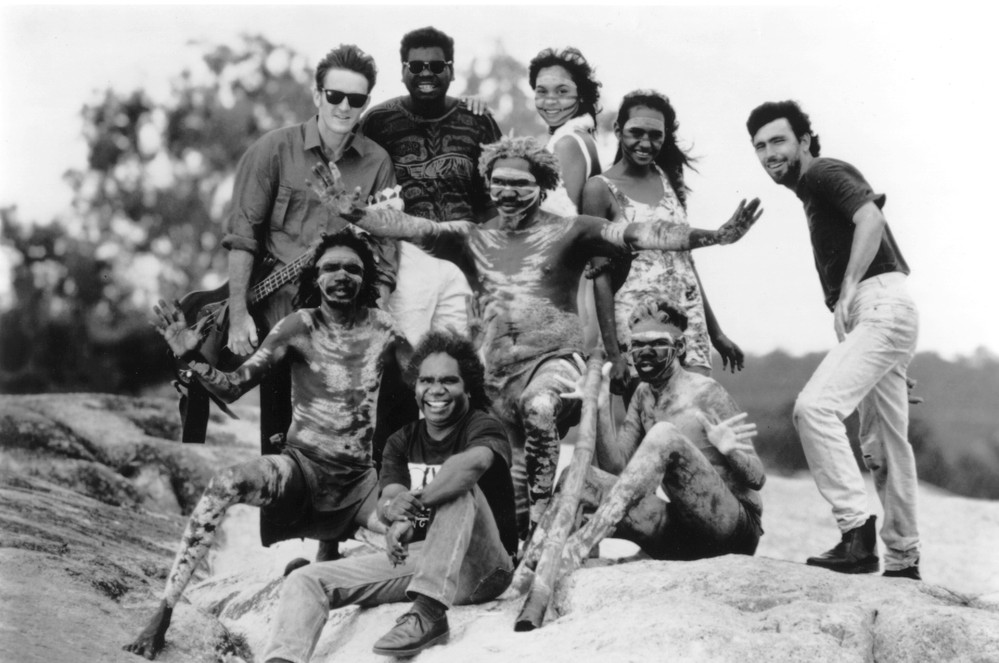
Yothu Yindi
1989–2000
·
6 albums
Listen
2
/5
Genres
Didgeridoo
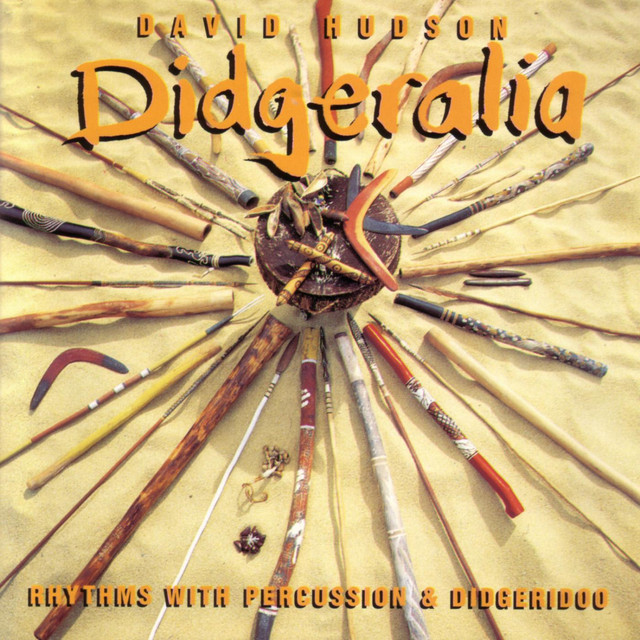
Didgeridoo music centers on the deep, continuous drone of the didgeridoo, a traditional wind instrument of Aboriginal peoples of northern Australia. The instrument is typically a hollowed eucalyptus branch, and performance relies on circular breathing to maintain an unbroken tone. Players sculpt the drone with mouth and throat shapes, add rhythmic pulse with tongue and diaphragm accents, and introduce timbral color through vocalizations and animal-call imitations. While the instrument itself is ancient, the use of “didgeridoo” as a recorded genre label crystallized in the late 20th century when global listeners encountered both traditional ceremonial playing and contemporary, non-ceremonial styles. In this context, didgeridoo music spans from culturally rooted performances to hybrids with ambient, New Age, world-fusion, and electronic dance forms. At its core, however, the sound remains an earthy, breath-driven drone that evokes landscape, movement, and trance-like momentum.
Discover
Listen
Surf Rock
Surf rock is a guitar-driven rock style that emerged in early-1960s Southern California, defined by spring-reverb-drenched electric guitars, rapid tremolo picking, and pounding backbeats that evoke the motion of ocean waves. The genre has two intertwined strands. Instrumental surf emphasizes minor keys, exotic/Mediterranean and Middle Eastern scales, staccato melodies, and clean-but-bright tones from Fender-style guitars and amps. Vocal surf layers rich, Beach Boys–style harmonies and teen-oriented lyrics about surfing, cars, and summer life onto rock-and-roll foundations. Hallmarks include the "drip" of outboard spring reverb tanks, snare- and tom-heavy drum patterns, driving bass ostinatos, and melodic lead lines that favor open strings and fast alternate picking. The result is energetic, danceable music that is both sun-soaked and slightly otherworldly.
Discover
Listen
Rock
Rock is a broad family of popular music centered on amplified instruments, a strong backbeat, and song forms that foreground riffs, choruses, and anthemic hooks. Emerging from mid‑20th‑century American styles like rhythm & blues, country, and gospel-inflected rock and roll, rock quickly expanded in scope—absorbing folk, blues, and psychedelic ideas—while shaping global youth culture. Core sonic markers include electric guitar (often overdriven), electric bass, drum kit emphasizing beats 2 and 4, and emotive lead vocals. Rock songs commonly use verse–chorus structures, blues-derived harmony, and memorable melodic motifs, ranging from intimate ballads to high‑energy, stadium‑sized performances.
Discover
Listen
Oceanian Music
Oceanian music is an umbrella term for the traditional and modern musical practices of the peoples of Oceania, including Australia, Melanesia, Micronesia, and Polynesia. It encompasses Indigenous Australian songlines and didjeridu traditions, Papuan and Melanesian slit-drum ensembles, Micronesian multipart choral singing, and Polynesian chant-and-dance repertoires alongside later influences such as hymnody, string-band, slack-key guitar, ukulele ensembles, reggae-derived "island" styles, and contemporary popular music. Characteristic features include participatory group singing; strong ties between music, dance, and ceremony; interlocking rhythmic patterns on wooden slit drums; antiphonal and responsorial vocal textures; and narratives that honor land, sea, kinship, and ancestry. In the modern era, Oceanian music often blends local languages and timbres with imported instruments and global genres, producing distinctive fusions that remain rooted in community and place.
Discover
Listen
Indigenous Australian Traditional Music
Indigenous Australian traditional music encompasses the song, dance, and instrumental practices of Aboriginal and Torres Strait Islander peoples that predate colonisation by tens of thousands of years. At its core are vocal song cycles connected to Country and kinship, often performed with steady percussive accompaniment from clapsticks (bilma) and, in parts of northern Australia, the didjeridu/yidaki drone. Regional styles vary widely: Yolngu manikay (Arnhem Land) feature long, cyclical song series; wangga and kun-borrk (Top End) blend distinctive melodic shapes with clapstick patterns; and Torres Strait Islander traditions centre on harmony singing, conch shell and drum (warup) rhythms, and elaborately choreographed dances. These musics are living repositories of law, history, and ecology. They are performed in ceremonies for initiation, funerals, healing, and seasonal events, as well as in public community gatherings and welcome ceremonies. Access and performance rights are governed by custodianship, with certain songs and contexts restricted.
Discover
Listen
Albums
2000
1
/5
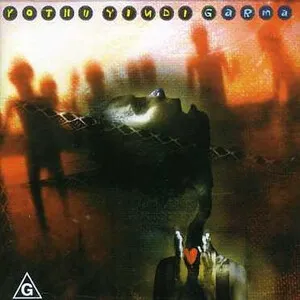
Garma
Yothu Yindi
Indigenous Australian Traditional Music
1996
1
/5
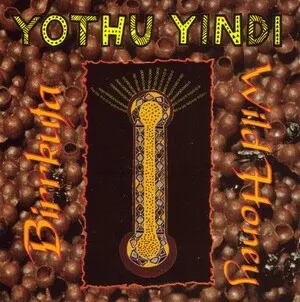
Birrkuta: Wild Honey
Yothu Yindi
Indigenous Australian Traditional Music
1993
2
/5
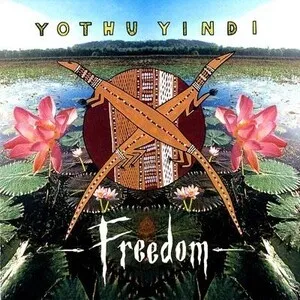
Freedom
Yothu Yindi
Indigenous Australian Traditional Music
1991
2
/5
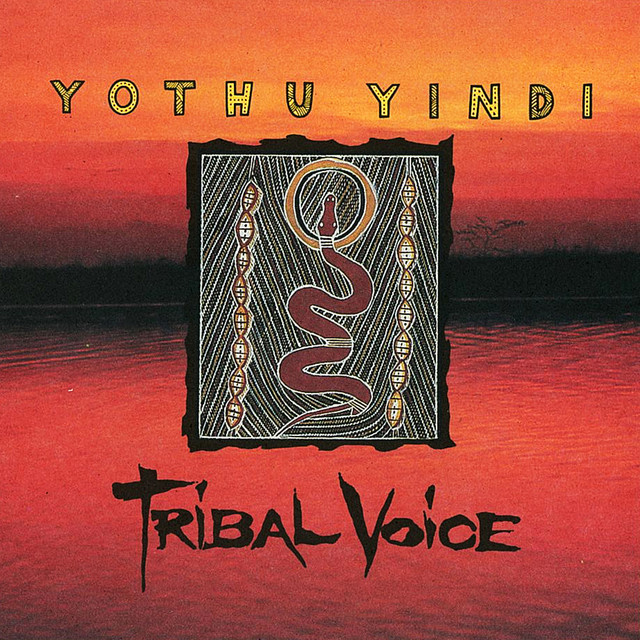
Tribal Voice
Yothu Yindi
Didgeridoo
1991
3
/5
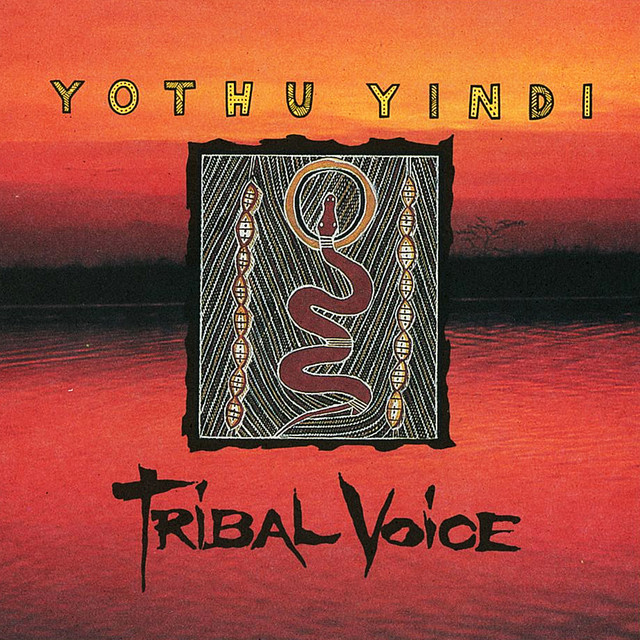
Tribal Voice
Yothu Yindi
Didgeridoo
Indigenous Australian Traditional Music
Oceanian Music
1989
1
/5
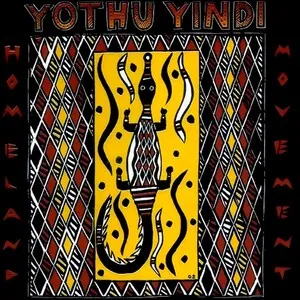
Homeland Movement
Yothu Yindi
Indigenous Australian Traditional Music
Similar artists
1
/5
Various Artists
Afro-Funk
Alternative Rock
Ambient
2
/5
David Hudson
Indigenous Australian Traditional Music
Didgeridoo
Traditional Music
3
/5
Gurrumul
Indigenous Australian Traditional Music
Oceanian Music
Folk
4
/5
Jack Johnson
Rock
Surf Rock
Pop
4
/5
The Beach Boys
Sunshine Pop
Pop
Baroque Pop
4
/5
Surf Curse
Surf Punk
Indie Surf
Indie
4
/5
Sticky Fingers
Surf Rock
Experimental Indie
High Vibe
4
/5
Ocean Alley
Surf Rock
Experimental Indie
High Vibe
4
/5
Midnight Oil
Alternative Rock
Rock
Big Music
3
/5
The Growlers
Garage Rock Revival
Indie Surf
Surf Rock
Download our mobile app
Get the Melodigging app and start digging for new genres on the go
Download on the App Store
Get it on Google Play
© 2026 Melodigging
Give feedback
Legal
Melodding was created as a tribute to
Every Noise at Once
, which inspired us to help curious minds keep digging into music's ever-evolving genres.