Genres
Artists
Albums
Make Music
Sign in
Sign in
Artists
Bamar Music
Artists
Bamar Music
Yi Yi Thant
2003–2013
·
2 albums
Listen
1
/5
Genres
Traditional Music
Traditional music is an umbrella term used in the mid–20th century by folklorists and ethnomusicologists to denote community-rooted, orally transmitted repertoires tied to social ritual, work, celebration, and storytelling. Unlike commercial pop or art-music traditions, traditional music is typically learned by ear, varies regionally, and evolves slowly through communal participation. It often features modal melodies, cyclic rhythms, heterophony or unison singing, and indigenous instruments whose timbres are integral to local identity. Lyrics tend to preserve language, history, and collective memory. While the musical practices themselves can be ancient, the phrase “traditional music” emerged to replace earlier, narrower or colonial framings like “folk” or “ethnic” music, foregrounding continuity, locality, and living practice rather than exoticism.
Discover
Listen
Burmese Classical
Burmese classical music (Mahāgīta) is the refined court and chamber tradition of Myanmar, crystallized during the late Konbaung dynasty. It centers on an ornate vocal repertoire accompanied by distinctive Burmese instruments and cyclical rhythmic designs. Core timbres come from the saung gauk (arched harp), pattala (bamboo xylophone), hne (double-reed shawm/oboe), pat waing (drum circle), a small gong-chime battery, and timekeeping idiophones such as si and wa. Textures are typically heterophonic: a lead melody is embellished simultaneously by multiple instruments, each tracing the line with personal ornamentation. Melodically, the tradition uses flexible heptatonic/pentatonic frameworks and microtonal inflections rather than functional harmony. Rhythm is organized into recurring cycles articulated by percussion, with rubato and tempo breathing around the vocal line. Poetry in classical Burmese—on courtly love, nature, seasons, and Buddhist values—shapes phrasing and expressive nuance.
Discover
Listen
Bamar Music
Bamar music refers to the traditional musical practices of the Bamar (Burman) majority of Myanmar, encompassing courtly classical repertoires (Mahāgīta), vigorous hsaing waing percussion ensembles, refined solo traditions for the saung gauk (arched harp) and pattala (bamboo xylophone), and music for dance-drama, marionette theatre (yoke thé), and popular festivals (pwe). It is characterized by cyclic, colotomic time structures articulated by small time-keeping instruments (si and wa), an ornate, heterophonic texture in which multiple instruments elaborate a shared melody, and modal-melodic systems that draw on heptatonic/pentatonic pitch collections particular to Myanmar. The timbral core is the hne (double-reed oboe), pat waing (drum circle), bronze gongs (kyi waing, maung hsaing), and idiophones, with courtly refinement supplied by the harp and xylophone. Across history, Bamar music absorbed influences from neighboring Mon, Thai, and Khmer courts and from Buddhist liturgical and Indic traditions, yet retained distinct aesthetics—highly ornamented melody, elastic vocal delivery, and a powerful percussive drive—closely tied to ritual, theatre, and social life.
Discover
Listen
Bamar Folk Music
Bamar folk music is the traditional music of the Bamar (Burman) people, the largest ethnic group of Myanmar. It centers on expressive vocals, cyclical rhythms, and a distinctive heterophonic texture in which multiple instruments elaborate the same melody with different ornaments. Typical ensembles range from intimate combinations of voice, Burmese arched harp (saung gauk), and small percussion to the vibrant hsaing waing, a gong-and-drum orchestra featuring pat waing (drum circle), kyi waing (gong-chime), maung hsaing (suspended gongs), hne (double-reed shawm), and the si/wa bell-and-clapper pair. Melodies draw on pentatonic and heptatonic frameworks with nuanced microtonal inflections, while performance practice includes extensive ornamentation, flexible phrasing, and call-and-response. The music accompanies seasonal festivals (such as Thingyan), spirit ceremonies (nat pwe), puppet and dance-theatre (yoke thé and anyein), and everyday social life. As a living folk tradition, Bamar music balances devotional, satirical, celebratory, and narrative functions. Lullabies, work songs, festival tunes, and poetic song forms sit alongside ceremonial repertories whose rhythms and modal contours are shaped by Theravāda Buddhist aesthetics and regional Southeast Asian gong-chime idioms.
Discover
Listen
Albums
2013
1
/5
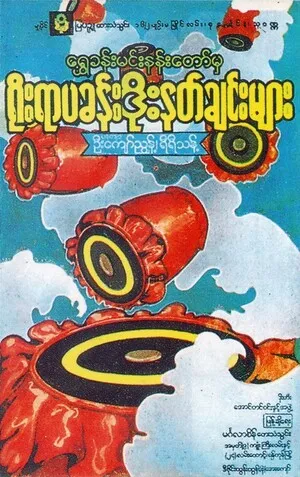
ရိုးရာပခန်းဒိုး နတ်ချင်းများ
Pantra U Kyaw Nyunt ပန်တျာ ဦးကျော်ညွန့် & Ye Ye Thent ရီရီသန့်
Bamar Folk Music
Bamar Music
2003
1
/5
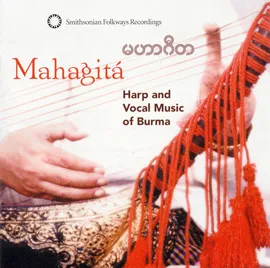
Mahagitá: Harp and Vocal Music of Burma
Inle Myint Maung အင်းလေးမြင့်မောင် / Ye Ye Thent ရီရီသန့်
Bamar Music
Similar artists
1
/5
Inle Myint Maung
Traditional Music
Bamar Music
1
/5
Aung
Traditional Music
Bamar Music
1
/5
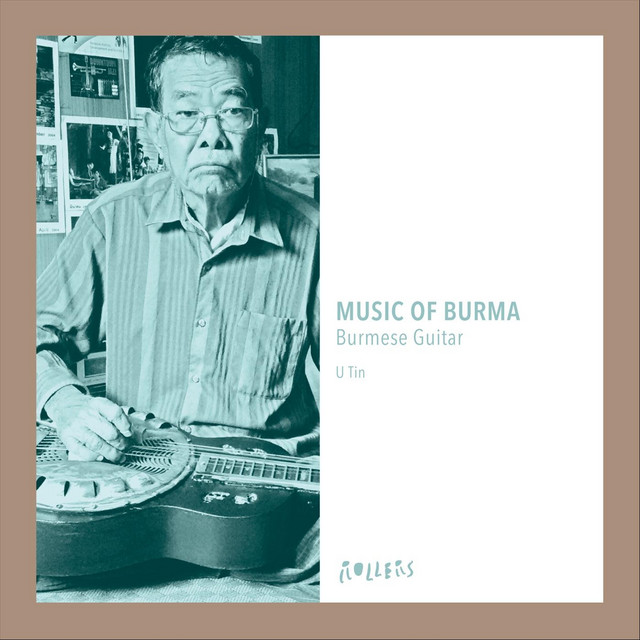
U Tin
Bamar Folk Music
Bamar Music
1
/5
Kyaw Kyaw Naing
Traditional Music
Bamar Music
Folk
1
/5
Kyaw Myo Naing
Traditional Music
Bamar Music
3
/5
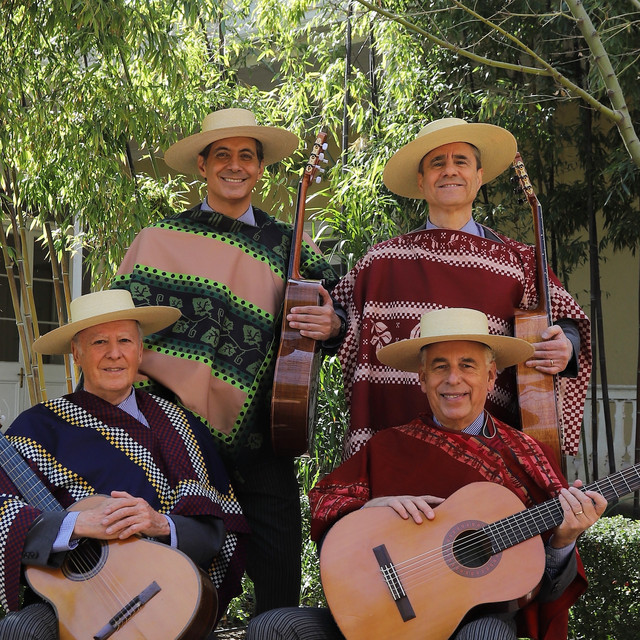
Los Huasos Quincheros
Tonada Chilena
Folclor Andino
Musica Nublensina
3
/5
Ntencane
Traditional Music
3
/5
Duma
Traditional Music
3
/5
Khuzani
Traditional Music
Maskanda
3
/5
Benny Mayengani
Maskanda
Traditional Music
Download our mobile app
Get the Melodigging app and start digging for new genres on the go
Download on the App Store
Get it on Google Play
© 2026 Melodigging
Give feedback
Legal
Melodding was created as a tribute to
Every Noise at Once
, which inspired us to help curious minds keep digging into music's ever-evolving genres.