Genres
Artists
Albums
Make Music
Sign in
Sign in
Artists
Windmill Scene
Artists
Windmill Scene
Yard Act
2024
·
1 album
Listen
3
/5
Genres
Windmill Scene
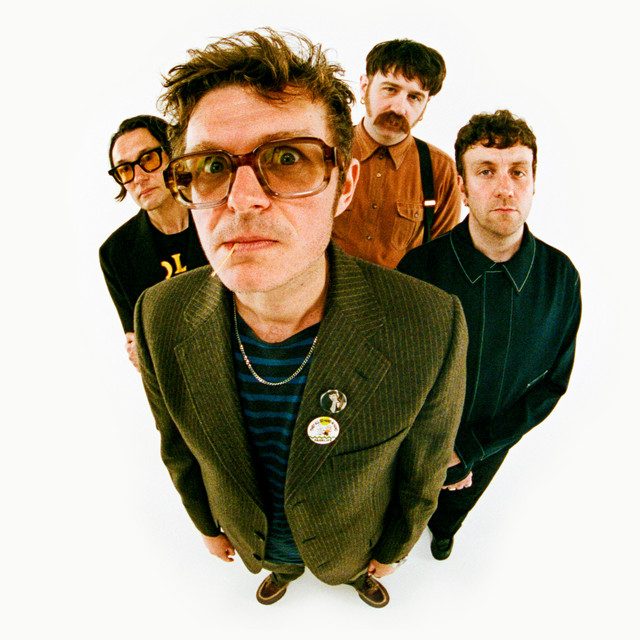
The Windmill scene refers to the cluster of experimental indie, post‑punk, and art‑rock bands that coalesced around The Windmill pub venue in Brixton, South London. Emerging in the late 2010s, the scene is characterized by knotty rhythms, angular guitars, spoken‑sung or declamatory vocals, and frequent use of saxophone, violin, and synths. Bands associated with the scene blend post‑punk urgency with avant‑prog ambition, no wave abrasion, and jazz-informed spontaneity, often favoring raw, live‑in‑the‑room production aesthetics. Lyrically, the scene leans toward sardonic social observation, surreal storytelling, and metropolitan anxiety, while performances emphasize high energy, improvisational turns, and dynamic contrasts.
Discover
Listen
Experimental Indie
Experimental indie is a broad, exploratory wing of independent rock and pop that prioritizes curiosity over convention. It blends DIY recording practices with off‑kilter song forms, unusual timbres, and a willingness to fold in ideas from avant‑pop, noise, electronic music, and psych. Rather than a fixed sound, it is a method and attitude: use the tools at hand (bedroom rigs, pedals, samplers, tape, software) to push past genre borders, while keeping the immediacy and intimacy of indie. Expect jagged rhythms, warped hooks, collage‑like arrangements, and production choices that foreground texture as much as melody.
Discover
Listen
Black Midi
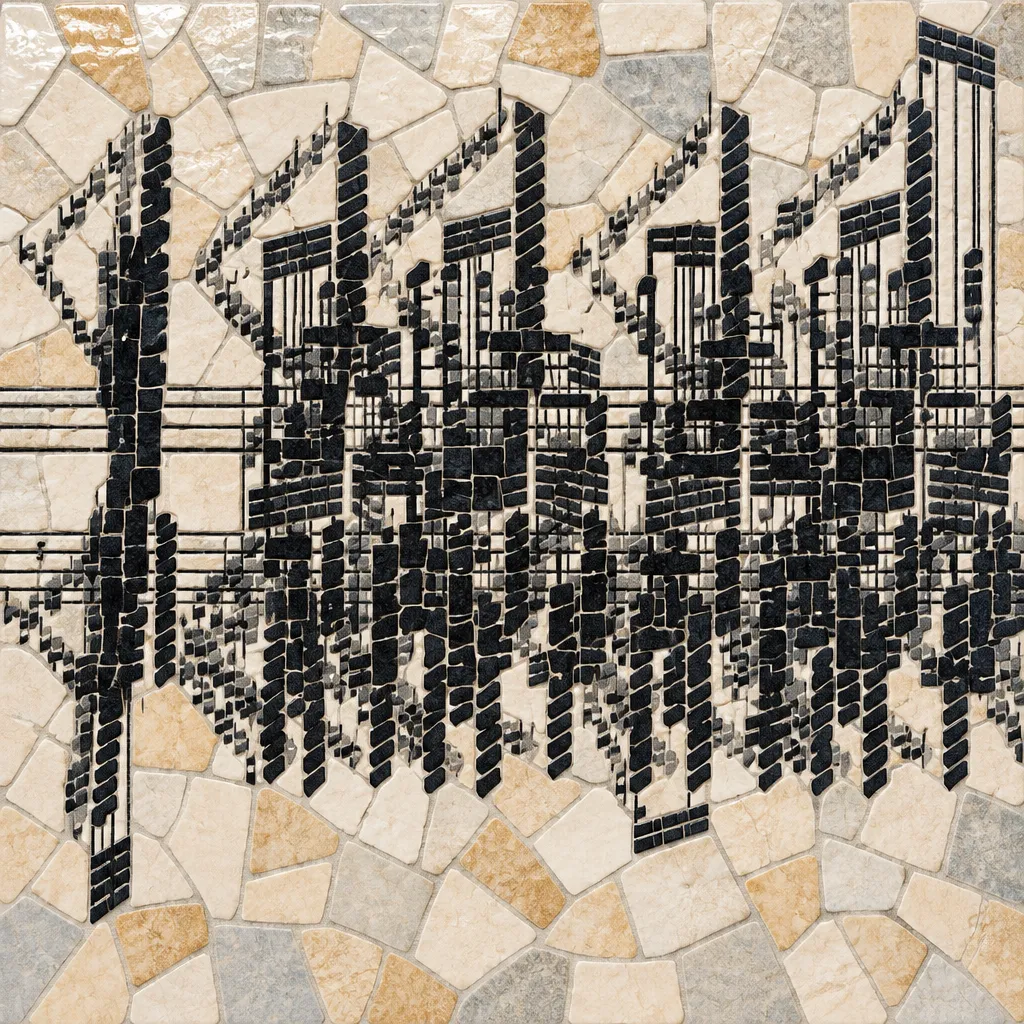
Black MIDI is an internet-born style of arranging in which composers pack hundreds of thousands to millions of MIDI note events into a single piece, producing piano-roll visuals that look nearly solid black and audio textures that range from shimmering swarms to overwhelming walls of sound. It emerged from otaku/game-music and anime cover communities, first gaining traction on Japanese platforms before spreading globally. Although the note density is extreme, black MIDI arrangements typically preserve a recognizable melody, then surround it with rapid ostinati, dense arpeggios, massive cluster chords, hyperactive drum programming, and wide dynamic/tempo automation. Pieces are designed primarily for virtual performance and visualizers (e.g., Synthesia/Piano From Above), showcasing computational and arranging virtuosity rather than traditional live playability. The aesthetic blends the harmonic/melodic DNA of the source tunes (often J-pop, anime, and video-game music) with the intensity and speed of breakcore/speedcore and the precision of classical piano transcription—turning the MIDI format itself into a spectacle.
Discover
Listen
Channel Pop
Channel pop is a digital-era strain of mainstream pop shaped by video and creator platforms—especially YouTube and later TikTok and Instagram—where artists build audiences through frequent uploads on their own “channels.” Musically it favors intimate, highly polished but close-mic’d vocals, acoustic guitar or piano-led arrangements, restrained beats, and succinct, playlist-friendly structures. Many releases are cover-first (reimagining recent chart hits) with a steady flow of glossy singles, session-style performances, and creator collaborations that gradually blend into original material. Titles, artwork, and release cadence are optimized for search and recommendation algorithms, yielding a sound that is simultaneously personal and platform-aware.
Discover
Listen
Crank Wave
Crank wave is an internet-born, dance-rap microgenre rooted in the late-2000s Southern United States. It is defined by minimal, ultra-catchy snap-era drum programming, bright toy-like synth leads (often reminiscent of steel pans or simple square waves), and chant-heavy, call‑and‑response hooks. Songs typically double as instructions for a viral dance, with verses and ad‑libs geared toward crowd participation. The aesthetic is DIY and ringtone-ready: short, loopable beats, big claps, booming 808s, and hooks that can be learned in seconds. Distribution and success were driven by MySpace, early YouTube uploads, and user-generated dance videos.
Discover
Listen
Alternative Punk
Alternative punk is a broad, independent-minded branch of punk that stretches punk’s velocity and attitude into more melodic, experimental, and stylistically hybrid directions. It retains punk’s DIY ethos and raw edge, but embraces unusual song structures, artful dissonance, jangly or noisy guitar textures, and introspective or socially observant lyrics. Often tied to college radio and small labels, alternative punk bridged the gap between late-1970s punk/post-punk and the alternative and indie explosions of the late 1980s and 1990s.
Discover
Listen
Indie Rock
Indie rock is a subgenre of rock and a branch of alternative rock that coalesced in the early–mid 1980s around independent labels and DIY practices in the United Kingdom, the United States, and New Zealand. Defined less by a single sound than by an ethos, indie rock favors non‑mainstream approaches, self‑recording and small‑label distribution, and an interest in pop‑informed melody and eclectic experimentation. Hallmarks include jangly or fuzzed guitars, intimate or deadpan vocals, off‑kilter song structures, and production that often preserves a raw, “authentic” feel rather than glossy studio polish.
Discover
Listen
Post-Punk
Post-punk is a broadly experimental strain of rock that emerged in the late 1970s as artists sought to push beyond the speed, simplicity, and orthodoxy of first-wave punk. It typically features angular, bass-forward grooves; jagged or minimal guitar lines; stark, spacious production; and an openness to dub, funk, electronic, and avant-garde ideas. Lyrics often examine alienation, urban decay, politics, and the inner life with artful or abstract delivery. A studio-as-instrument approach, emphasis on rhythm section interplay, and an appetite for non-rock textures (tape effects, drum machines, found sound, synths) distinguish the style. The result can be danceable yet tense, cerebral yet visceral, and emotionally restrained yet intensely expressive.
Discover
Listen
Dance-Punk
Dance-punk is a fusion of punk’s abrasive energy and attitude with the groove-forward rhythms of funk and disco. It favors tight, four-on-the-floor drum patterns, rubbery and syncopated bass lines, choppy, scratchy rhythm guitars, and percussion accents like cowbell and handclaps. Vocals are often shouted, talk-sung, or delivered with sardonic cool, and lyrics tend to be ironic, urban, and socially observant. A first wave emerged in the late 1970s and early 1980s alongside post-punk and no wave scenes (especially in New York and the UK), while a high-profile revival in the early 2000s (centered around DFA Records) brought analog synths, minimalist production, and indie-club sensibilities back to the fore.
Discover
Listen
Show all 9 genres
Albums
2024
1
/5
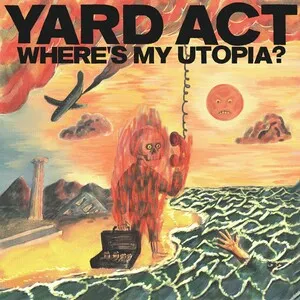
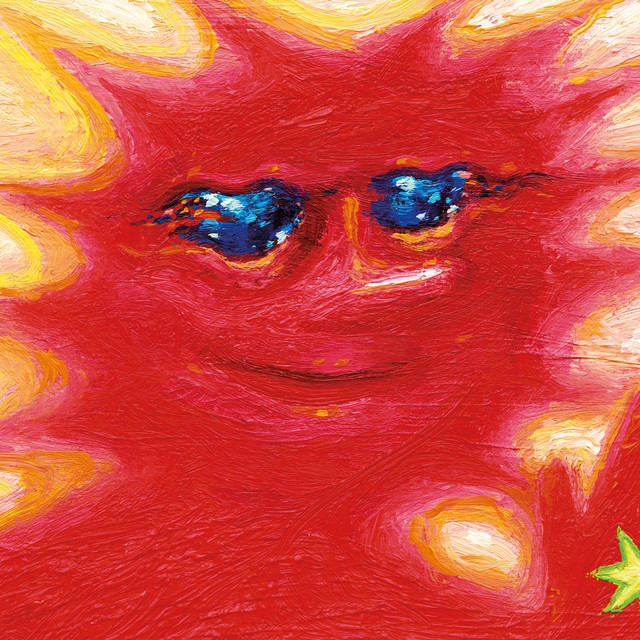
Where's My Utopia?
Yard Act
Windmill Scene
Similar artists
3
/5
shame
Windmill Scene
Post-Punk
Crank Wave
3
/5
Black Country, New Road
Post-Rock
Windmill Scene
Art Rock
3
/5
Dry Cleaning
Post-Punk
Windmill Scene
Spoken Word
3
/5
DEADLETTER
Windmill Scene
Experimental Indie
Post-Punk
3
/5
English Teacher
Windmill Scene
Crank Wave
Experimental Indie
5
/5
Fontaines D.C.
Post-Punk
Crank Wave
Rock
3
/5
IDLES
Noise Rock
Post-Punk
Crank Wave
4
/5
Wet Leg
Indie Rock
Crank Wave
Indie
5
/5
The Strokes
Alternative Rock
Garage Rock
Indie Rock
3
/5
black midi
Windmill Scene
Math Rock
Noise Rock
Download our mobile app
Get the Melodigging app and start digging for new genres on the go
Download on the App Store
Get it on Google Play
© 2026 Melodigging
Give feedback
Legal
Melodding was created as a tribute to
Every Noise at Once
, which inspired us to help curious minds keep digging into music's ever-evolving genres.