Genres
Artists
Albums
Make Music
Sign in
Sign in
Artists
Heavy Metal
Artists
Heavy Metal
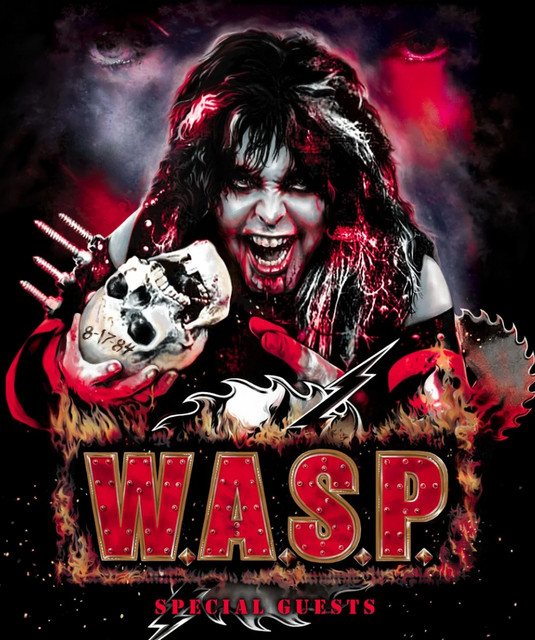
W.A.S.P.
1984–1992
·
4 albums
Listen
3
/5
Genres
Bytebeat
Bytebeat is a minimalist form of algorithmic music in which very short computer programs (often a single arithmetic expression) generate raw PCM audio directly. It typically uses 8-bit integer math and a running time counter t to produce harsh, glitchy, melody-like patterns, rhythms, and textures through bitwise operations, shifts, modular arithmetic, and simple integer multiplications. The aesthetic sits between chiptune timbres and noise art: crunchy aliasing, stepping waveforms, and emergent structure arise from extremely compact code. First popularized online in 2011, bytebeat is as much a programming puzzle as it is a musical style, celebrated for revealing how complex musical behaviors can emerge from ultra-simple rules.
Discover
Listen
Glam Metal
Glam metal (often called hair metal) is a flamboyant strain of 1980s hard rock and heavy metal defined by high-energy riffs, anthemic choruses, and glossy, radio-ready production. It pairs the swagger of hard rock with pop hooks, multi-tracked vocal harmonies, and virtuosic guitar solos. Visually, the style is theatrical: teased hair, makeup, spandex, and flashy stagewear echo the glam rock of the 1970s, while the music embraces both party-ready anthems and power ballads. The sound is big, bright, and built for arenas and MTV-era music television.
Discover
Listen
Speed Metal
Speed metal is a fast, precision-driven branch of heavy metal that crystallized at the turn of the 1980s. It emphasizes aggressive tempos, tightly synchronized riffing, and virtuosic lead guitar work, while generally retaining melodic, often clean or strident vocals. Compared with thrash metal, speed metal tends to be less percussive and more melodic, favoring galloping rhythms, twin-guitar harmonies, and classic verse–chorus structures. Drums often employ rapid double-time feels and double-bass patterns, while bass frequently mirrors the rhythm guitar to reinforce propulsion. Lyrical themes range from rebellion and street realism to fantasy, warfare, and sci‑fi.
Discover
Listen
Sunset Strip Glam Metal
A flamboyant and hedonistic subgenre of heavy metal and hard rock that exploded in the early 1980s, centered specifically around the nightclubs of the Sunset Strip in West Hollywood, California. Characterized by a distinct visual aesthetic involving teasing hair, make-up, spandex, and leather, the sound fuses the rebellious attitude of punk, the catchy hooks of pop, and the guitar virtuosity of heavy metal. Lyrically, it celebrates excess, focusing on themes of sex, drugs, partying, and romance, often alternating between high-energy anthems and sentimental power ballads.
Discover
Listen
Thrash Metal
Thrash metal is an extreme subgenre of heavy metal defined by blistering tempos, tightly palm‑muted low‑register riffs, and sharp, aggressive execution. Songs commonly drive at 180–240 BPM, pairing chugging, down‑picked rhythms with shredding leads and rapid alternate‑picked lines. Drumming emphasizes double‑kick work, skank/D‑beat patterns, and abrupt, syncopated accents that lock tightly with the guitars. Vocals range from rough, shouted delivery to snarling barks and occasionally cleaner, declamatory phrasing. Lyrically, thrash favors social critique, anti‑authoritarian themes, war and dystopia, and street‑level realism, matching the music’s urgency. The overall aesthetic is lean, fast, and technical—channeling the speed and directness of hardcore punk through the tonal weight and precision of heavy metal.
Discover
Listen
Us Power Metal
US power metal is an American take on traditional heavy metal that fuses the galloping drive of the NWOBHM with tighter, more aggressive riffing and a darker, grittier edge. It favors heavily distorted, palm‑muted guitars, muscular mid‑to‑fast tempos, and commanding, theatrical high‑range vocals that often soar above twin‑guitar harmonies. Compared with its more keyboard‑forward European counterpart, US power metal is typically guitar‑centric and rhythmically harder, sometimes borrowing speed/thrash accents while keeping a melodically heroic core. Lyrics commonly explore fantasy, mythology, warfare, history, and epic personal struggle, delivered with a dramatic flair and chorus hooks designed for crowd shouts. Arrangements often feature modal minor harmony (Aeolian/Phrygian, harmonic minor), call‑and‑response leads, and tightly composed bridges that build to climactic codas, all captured with punchy, relatively dry production that emphasizes riff definition and vocal power.
Discover
Listen
Heavy Metal
Heavy metal is a loud, guitar-driven style of rock defined by heavily distorted riffs, thunderous drums, and powerful vocals. Its musical language emphasizes minor modes, modal (Aeolian, Phrygian) riffing, and energy over groove, often featuring virtuosic guitar solos and dramatic dynamic contrasts. Emerging from late-1960s blues rock and psychedelic experimentation, heavy metal codified a darker, heavier sound with bands like Black Sabbath, Deep Purple, and Led Zeppelin. The genre values weight, intensity, and grandeur—whether through plodding, doom-laden tempos or galloping, high-energy rhythms—paired with themes that range from personal struggle and social critique to fantasy, mythology, and the occult.
Discover
Listen
Metal
Metal (often used to mean heavy metal in its broad, umbrella sense) is a loud, guitar-driven style of rock defined by high-gain distortion, emphatic and often martial rhythms, and a dense, powerful low end. It foregrounds riff-based songwriting, dramatic dynamics, virtuosic guitar solos, and commanding vocals that range from melodic wails to aggressive snarls and growls. Harmonically, metal favors minor modes, modal color (Aeolian, Phrygian), chromaticism, and tritone-inflected tension, while thematically it explores power, mythology, the occult, social critique, fantasy, and existential subjects. While adjacent to hard rock, metal typically pushes amplification, distortion, precision, and thematic intensity further, forming a foundation for many specialized subgenres.
Discover
Listen
Glam Rock
Glam rock is a style of rock music that emerged in the early 1970s, defined as much by its flamboyant image and theatricality as by its sound. Artists embraced androgynous fashion, glitter, makeup, platform boots, and bold stage personas, using spectacle to amplify simple, catchy, riff-driven songs. Musically, glam rock fuses the drive of 1950s rock and roll with hard rock crunch, bubblegum pop hooks, and a sense of artful provocation. Songs often feature stomping, chant-ready rhythms, big choruses, guitar riffs, handclaps, and shout-along refrains. Lyrically, it leans into themes of fantasy, fame, gender play, street romance, and campy drama, blurring the line between pop accessibility and avant-garde performance.
Discover
Listen
Hard Rock
Hard rock is a loud, riff-driven style of rock music built around heavily amplified electric guitars, a powerful rhythm section, and assertive vocals. Songs typically center on memorable, blues-based guitar riffs, strong backbeats, and energetic, often shouted or belted choruses. The genre emphasizes power, groove, and visceral impact over intricate harmony or extended improvisation. Distortion, power chords, pentatonic melodies, and call‑and‑response between vocals and guitar are core traits, while lyrical themes often explore rebellion, lust, swagger, escape, and cathartic release.
Discover
Listen
Rock Opera
Rock opera is a narrative-driven form of rock music in which a sequence of songs tells a coherent story, often through distinct characters, recurring leitmotifs, and theatrical arcs. Unlike a loose concept album, a rock opera typically emphasizes plot, character development, and musical continuity, borrowing structural ideas from opera (overtures, reprises, arias/solos, and dramatic climaxes) while retaining the instrumentation, rhythms, and sonic vocabulary of rock. Works can exist as studio albums, staged productions, or films, and may range from guitar-centered ensembles to fully orchestrated scores with choirs and narration. The form emerged in the late 1960s with UK pioneers and grew alongside progressive and symphonic rock in the 1970s.
Discover
Listen
Rock
Rock is a broad family of popular music centered on amplified instruments, a strong backbeat, and song forms that foreground riffs, choruses, and anthemic hooks. Emerging from mid‑20th‑century American styles like rhythm & blues, country, and gospel-inflected rock and roll, rock quickly expanded in scope—absorbing folk, blues, and psychedelic ideas—while shaping global youth culture. Core sonic markers include electric guitar (often overdriven), electric bass, drum kit emphasizing beats 2 and 4, and emotive lead vocals. Rock songs commonly use verse–chorus structures, blues-derived harmony, and memorable melodic motifs, ranging from intimate ballads to high‑energy, stadium‑sized performances.
Discover
Listen
Show all 12 genres
Albums
1992
3
/5
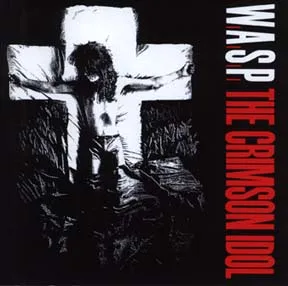
The Crimson Idol
W.A.S.P.
Rock Opera
Heavy Metal
Metal
1989
3
/5
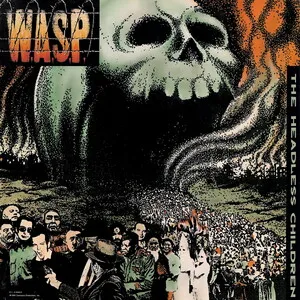
The Headless Children
W.A.S.P.
Us Power Metal
1985
3
/5
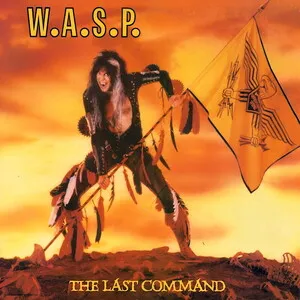
The Last Command
W.A.S.P.
Sunset Strip Glam Metal
Hard Rock
Heavy Metal
1984
3
/5
W.A.S.P.
W.A.S.P.
Glam Metal
Sunset Strip Glam Metal
Hard Rock
Similar artists
4
/5
Mötley Crüe
Sleaze Rock
Hard Rock
Heavy Metal
1
/5
Various Artists
Afro-Funk
Alternative Rock
Ambient
2
/5
Lillian Axe
Glam Metal
Hard Rock
Aor
4
/5
Ozzy Osbourne
Glam Metal
Hard Rock
Heavy Metal
4
/5
Judas Priest
Heavy Metal
Metal
Speed Metal
3
/5
Queensrÿche
Us Power Metal
Heavy Metal
Progressive Metal
3
/5
Dokken
Glam Metal
Hard Rock
Heavy Metal
4
/5
Dio
Heavy Metal
Glam Metal
Hard Rock
3
/5
Accept
Heavy Metal
Speed Metal
Thrash Metal
4
/5
Skid Row
Glam Metal
Hard Rock
Glam Rock
Download our mobile app
Get the Melodigging app and start digging for new genres on the go
Download on the App Store
Get it on Google Play
© 2026 Melodigging
Give feedback
Legal
Melodding was created as a tribute to
Every Noise at Once
, which inspired us to help curious minds keep digging into music's ever-evolving genres.