Genres
Artists
Albums
Make Music
Sign in
Sign in
Artists
Manila Sound
Artists
Manila Sound
VST & Company
2008–2012
·
4 albums
Listen
3
/5
Genres
Budots
Budots is a grassroots Philippine electronic dance music style that emerged from Davao City, known for its hyper-simple, high-energy beats and playful, DIY sound. Tracks are typically built in home setups using basic DAWs like FL Studio, relying on punchy four-on-the-floor kicks, off‑beat claps, buzzy saw leads, and squelchy bass riffs. The music is made to accompany the “budots” dance—loose, humorous freestyle moves popular at barangay (neighborhood) parties, street gatherings, and fiestas. Short vocal exclamations, whistles, sirens, and memes (often in Bisaya/Cebuano) are chopped into the mix, giving the music a street-level, celebratory feel. Culturally, budots reflects a democratized, community-first approach to club music: it spreads through YouTube, Bluetooth sharing, mobile speakers, tricycles, and jeepneys rather than formal club circuits. Its charm lies in its unapologetically raw, catchy, and fun character.
Discover
Listen
Manila Sound
Manila sound is a light, catchy, and urbane Filipino pop style that crystallized in Metro Manila in the mid-1970s. It blends Western pop, soft rock, disco, funk, and soul with Filipino melodic sensibilities, witty Tagalog/Taglish lyrics, and radio-friendly hooks. The sound is characterized by singable melodies, slick vocal harmonies, and danceable 4/4 grooves, often arranged with clean rhythm guitars, electric piano, string pads or synths, horns, and hand percussion. Its themes center on city life, romance, and humor, reflecting the everyday experiences of Manila’s youth culture. Manila sound is widely regarded as a foundation of modern Original Pilipino Music (OPM), bridging 1960s/early-1970s pop ballad traditions and the later disco, synth-pop, and adult-contemporary currents of the 1980s.
Discover
Listen
Opm
OPM (Original Pilipino Music) is the umbrella term for Filipino popular music, encompassing mainstream pop, soft rock, ballads, and band music primarily sung in Filipino languages (especially Tagalog) as well as English. The tag crystallized in the 1970s alongside the Manila Sound movement and the formation of a modern local recording industry that foregrounded Filipino songwriting and artists. Stylistically, OPM blends Western pop/rock and soul with indigenous and Hispanic-influenced Filipino song traditions such as kundiman and harana. Melodies tend to be singable and emotive, harmony is diatonic with occasional modulations, and lyrics often revolve around love, nostalgia, family, and national identity. Across decades, OPM has continually evolved—from disco-tinged 70s pop and 80s power ballads to 90s alternative band culture and today’s polished pop and R&B—while remaining distinctively Filipino in sensibility and storytelling.
Discover
Listen
P-Pop
P-pop (Pinoy pop) is the umbrella term for Filipino popular music, spanning slick idol groups, powerhouse solo vocalists, dance-pop, ballads, and hybrid pop-rap/R&B crossovers. While its roots lie in the 1970s OPM (Original Pilipino Music) era—fusing Western pop/rock with Filipino sensibilities—the contemporary P-pop wave integrates K-pop/J-pop-style training, choreography, and group branding with Tagalog or Taglish (Tagalog–English) lyrics and distinctly Filipino storytelling. Sonically, P-pop favors hook-forward choruses, glossy synths, tight vocal stacks, and danceable rhythms, but it also preserves the OPM tradition of emotive belting and big ballad codas. The result is a high-energy, proudly local pop sound built for both live performance and global streaming.
Discover
Listen
Pinoy Rock
Pinoy rock is the Filipino take on rock music, distinguished by its use of Tagalog and other Philippine languages, melodic songcraft, and a strong sense of place and social commentary. Rooted in classic rock and roll, blues rock, and psychedelic rock of the 1960s–70s, it crystallized in the early 1970s when artists began writing original rock songs in Tagalog. Over time it absorbed punk, new wave, alternative rock, and metal, creating a broad spectrum that runs from anthemic, guitar-driven classics to edgy, socially charged punk and radio-friendly pop-rock. Beyond sound, Pinoy rock is a cultural movement: it chronicles everyday life, humor, love, and political realities in the Philippines, often with catchy hooks, sing-along choruses, and conversational, Taglish (Tagalog-English) lyrics.
Discover
Listen
Disco
Disco is a dance-music genre and nightlife subculture that crystallized in the United States during the 1970s, drawing especially from African-American, Italian-American, Latino, and queer club communities. Musically, disco is typified by a steady four-on-the-floor kick drum, syncopated and melodic electric-bass lines, lush string sections, bright brass and horns, electric pianos and synthesizers, and percussive, choppy rhythm guitars. Arrangements often feature orchestral colors, handclaps, congas, and vibraphone or bell textures, all engineered to deliver a continuous, groove-forward experience for the dance floor. The style combines the rich orchestration and romantic sweep of Philadelphia soul with the bottom-end drive of funk and the songcraft of contemporary R&B/pop, delivered in DJ-friendly extended mixes and 12-inch singles designed for club play.
Discover
Listen
Pop
Pop is a broad, hook-driven style of popular music designed for wide appeal. It emphasizes memorable melodies, concise song structures, polished vocals, and production intended for radio, charts, and mass media. While pop continually absorbs elements from other styles, its core remains singable choruses, accessible harmonies, and rhythmic clarity. Typical forms include verse–pre-chorus–chorus, frequent use of bridges and middle-eights, and ear-catching intros and outros. Pop is not defined by a single instrumentation. It flexibly incorporates acoustic and electric instruments, drum machines, synthesizers, and increasingly digital production techniques, always in service of the song and the hook.
Discover
Listen
Electronic
Electronic is a broad umbrella genre defined by the primary use of electronically generated or electronically processed sound. It encompasses music made with synthesizers, drum machines, samplers, computers, and studio/tape techniques, as well as electroacoustic manipulation of recorded or synthetic sources. The genre ranges from academic and experimental traditions to popular and dance-oriented forms. While its sonic palette is rooted in electricity and circuitry, its aesthetics span minimal and textural explorations, structured song forms, and beat-driven club permutations. Electronic emphasizes sound design, timbre, and studio-as-instrument practices as much as melody and harmony.
Discover
Listen
Kundiman
Kundiman is a Filipino art-song tradition centered on love and devotion, typically sung in Tagalog with refined, lyrical melodies. It is most often set in a slow triple meter (commonly 3/4), employing expressive rubato and ornamentation. Harmonically, kundiman pieces characteristically begin in a minor key and resolve to the parallel major in the refrain, mirroring a poetic journey from yearning to hope. While rooted in indigenous Filipino song and serenade practice, the genre absorbed European art-song and Romantic-era harmonic language during Spanish and early American colonial periods. Beyond romantic themes, kundiman historically served as an allegory for patriotic love of the motherland, especially during the late 19th-century Philippine Revolution. Today it is performed by classical singers and traditional vocalists alike, remaining a cornerstone of Filipino musical identity.
Discover
Listen
Harana
Harana is a Filipino tradition of nocturnal courtship serenades performed outside a woman’s window, typically accompanied by a guitar and a small group of male singers. It took shape during the Spanish colonial period and blends Iberian musical elements with local languages and poetic sensibilities. Musically, harana favors gentle tempos, lilting Spanish-derived dance rhythms (especially the habanera and occasional waltz), and simple, elegant harmonies that support expressive, melismatic vocal delivery. Lyrics are written in Tagalog (and other Philippine languages), using highly formal, respectful, and flowery language that extols virtue, modesty, and devotion. While closely related to the more art-song–oriented kundiman, harana is defined by its function as a serenade: a ritualized performance with a call-and-response social script, rather than a concert piece. Its sound world—guitar rasgueado patterns, bass-note–plus–strum accompaniments, and sweet, sentimental melodies—has left a lasting imprint on Philippine love songs and popular ballads.
Discover
Listen
Show all 10 genres
Albums
2012
3
/5
OPM Back to Back Hits of VST & Company & Hagibis
VST & Company
Manila Sound
2009
3
/5
Sce: Swing
VST & Company
Manila Sound
2009
3
/5
The Best of VST & Company
VST & Company
Manila Sound
Pop
2008
3
/5
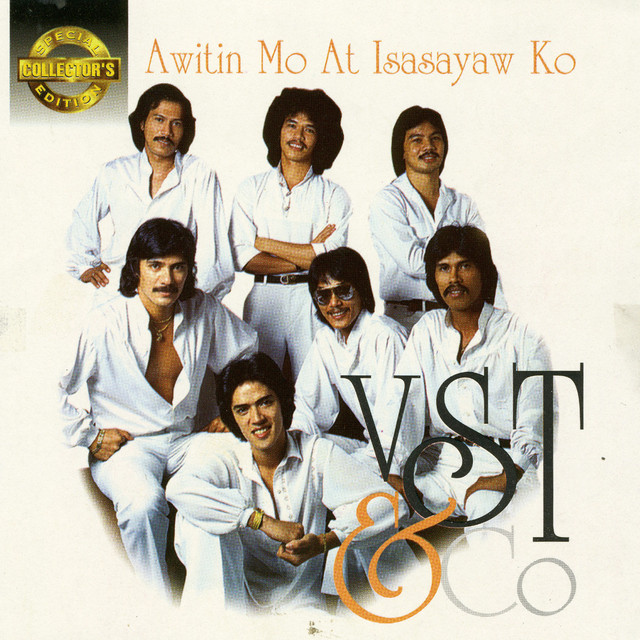
Sce: Awitin Mo at Isasayaw Ko
VST & Company
Manila Sound
Disco
Electronic
Similar artists
1
/5
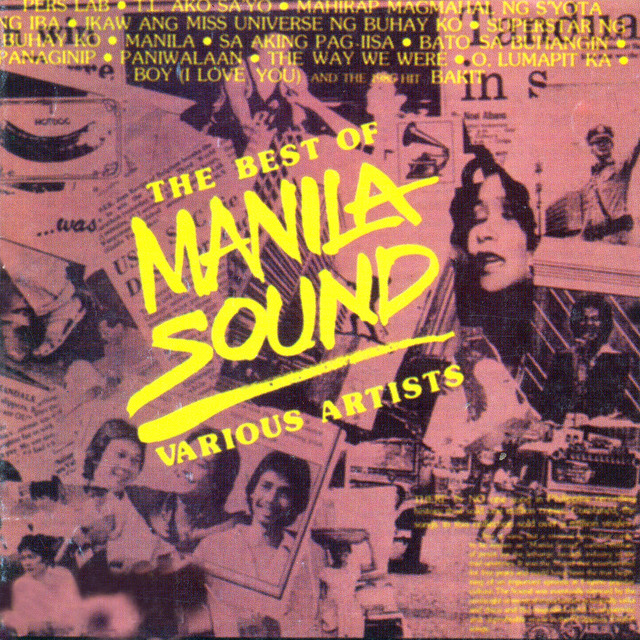
Various Artists
Afro-Funk
Alternative Rock
Ambient
3
/5
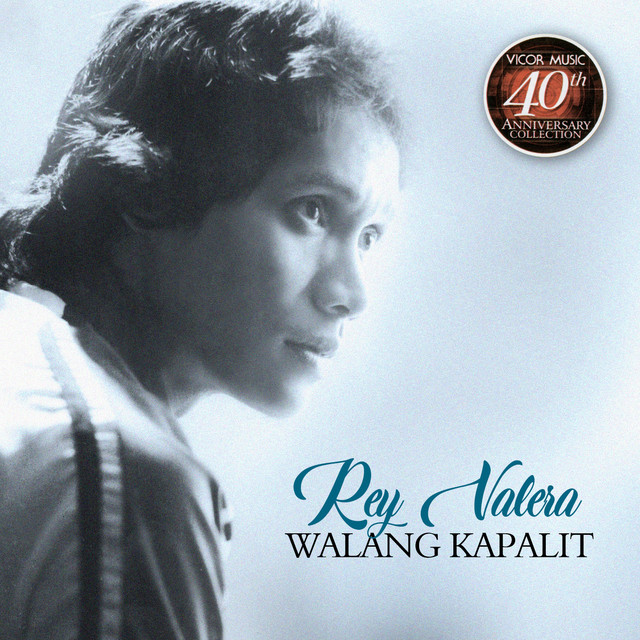
REY VALERA
Manila Sound
Opm
Pop
3
/5
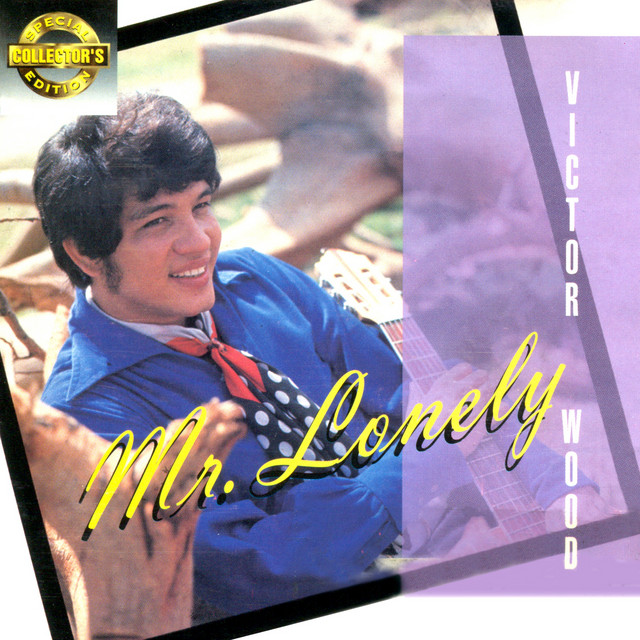
Victor Wood
Manila Sound
Chachachá
Harana
3
/5
Hotdog
Manila Sound
Harana
Kundiman
4
/5
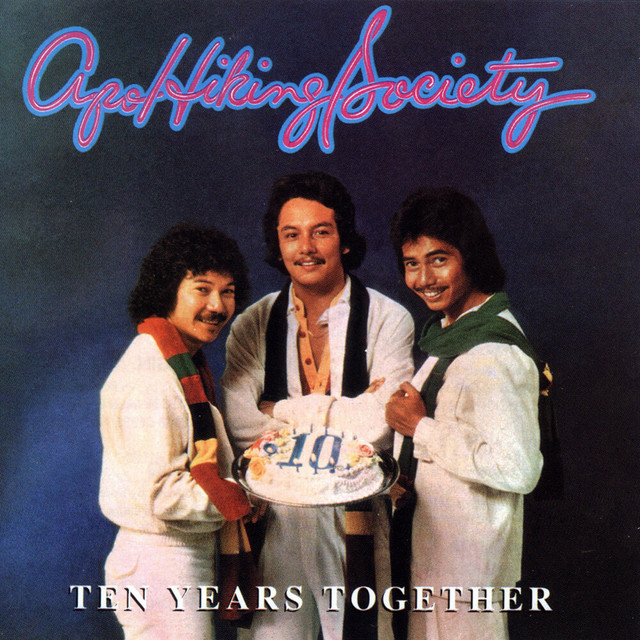
APO Hiking Society
Opm
Manila Sound
Pop
3
/5
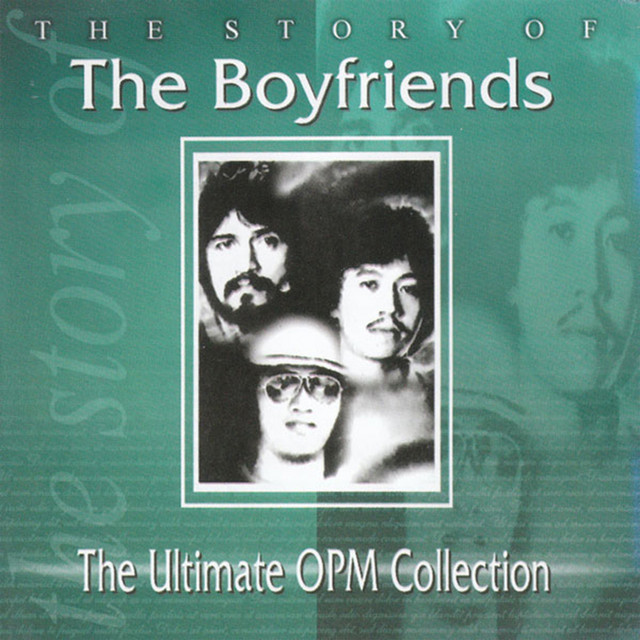
The Boyfriends
Manila Sound
Harana
Kundiman
2
/5
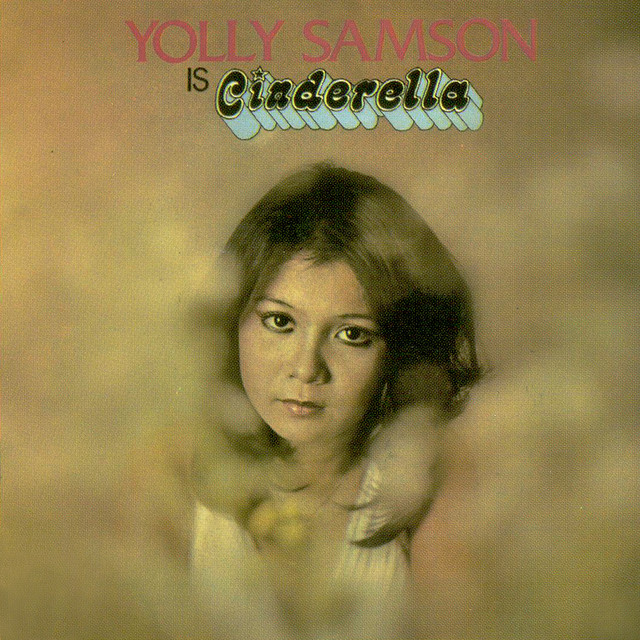
Yolly Samson
Manila Sound
Opm
Harana
3
/5
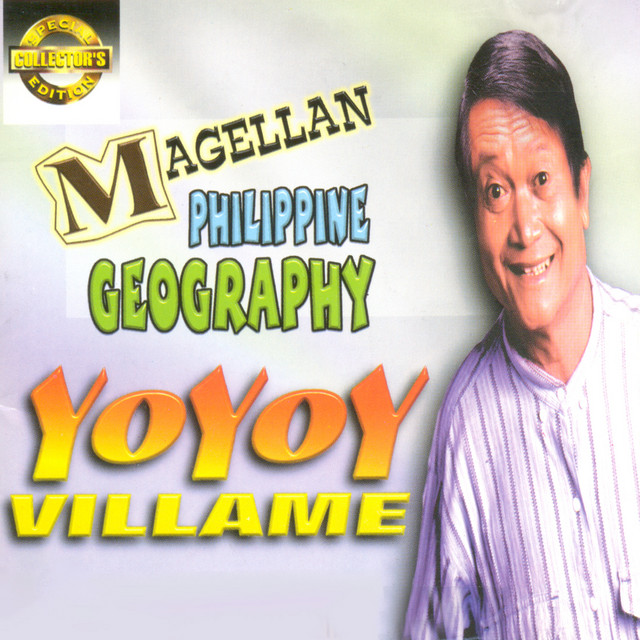
Yoyoy Villame
Bisrock
Budots
Harana
2
/5
Bert Dominic
Budots
Chachachá
Harana
1
/5
Boy Sullivan
Budots
Harana
Kundiman
Download our mobile app
Get the Melodigging app and start digging for new genres on the go
Download on the App Store
Get it on Google Play
© 2026 Melodigging
Give feedback
Legal
Melodding was created as a tribute to
Every Noise at Once
, which inspired us to help curious minds keep digging into music's ever-evolving genres.