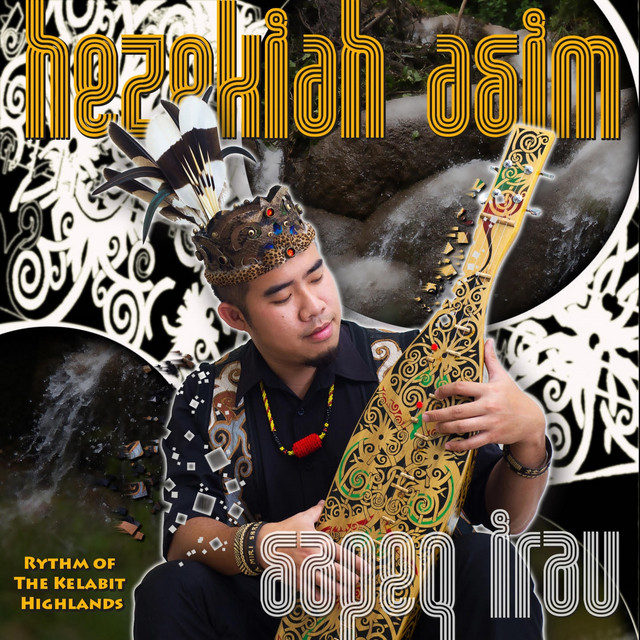
Borneo traditional is an umbrella term for the ritual, ceremonial, and community music of the island of Borneo—especially among Dayak and Orang Ulu peoples (Kenyah, Kayan, Penan, Iban), as well as Bidayuh, Kadazan-Dusun, Melanau, and Bruneian Malay communities.
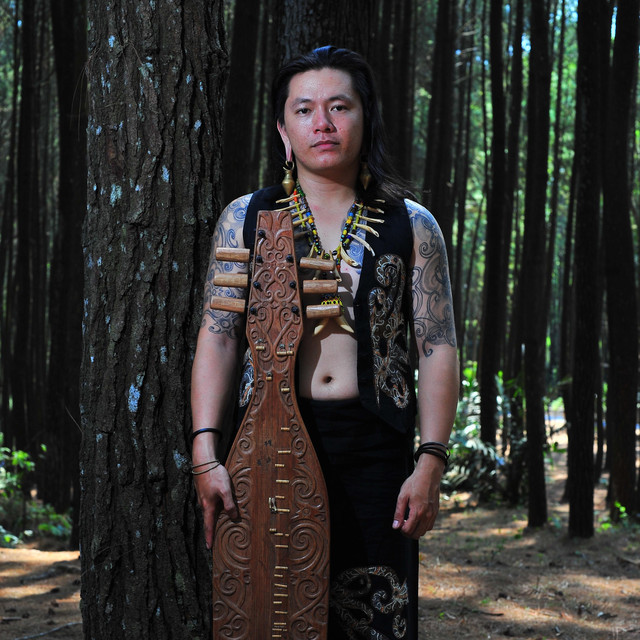
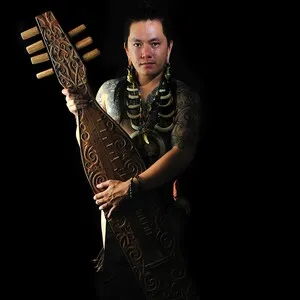
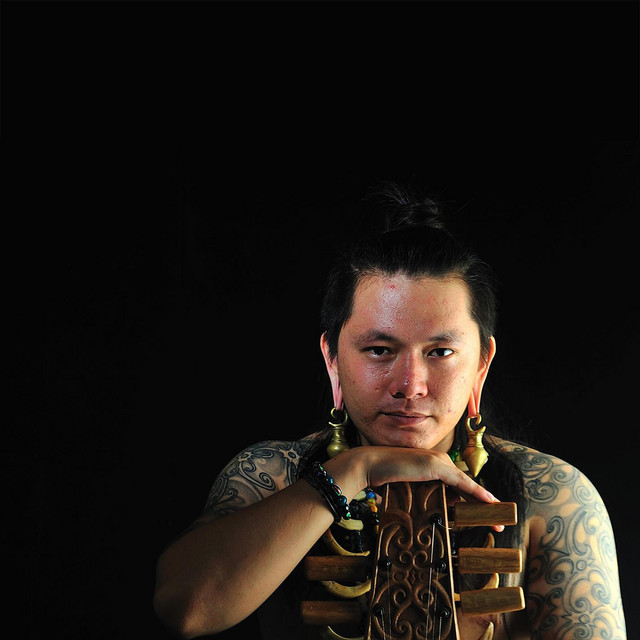
Its most recognizable sound is the sape’ (a long-necked boat lute) playing pentatonic or heptatonic modes in hypnotic, cyclical patterns. Interlocking ensembles of bossed gongs (agung/agong, kulintangan), hand-played drums (gendang), bamboo idiophones (such as pratuokng), end-blown flutes (suling), mouth-organs (sompoton), and nose-flutes (turali) create layered textures for dance, trance, and storytelling.
Melody often unfolds in modal cells, rhythm ranges from free rubato to propulsive duple meters for communal dances, and timbre is warm, woody, and metallic. Music accompanies lifecycle rites, harvest festivals, healing, and warrior or welcoming dances, linking people, place, and ancestral cosmologies.