Genres
Artists
Albums
Make Music
Sign in
Sign in
Artists
Corrido
Artists
Corrido
Uriel Henao
1997
·
1 album
Listen
3
/5
Genres
Popular Colombian Music
Popular Colombian music (música popular colombiana) is a contemporary Colombian style that fuses Mexican regional idioms—especially ranchera, corrido, norteño, and banda—with Andean-Colombian song traditions like bambuco and pasillo. Built around the emotive, dramatic vocal delivery known locally as "despecho" (heartbreak), it foregrounds cantina themes of love, loss, betrayal, and resilience, while adopting modern pop production. Brass sections (in the banda vein), trumpets in mariachi style, accordion or requinto guitars, and steady rhythm sections support songs that often move between 3/4 waltz feels and 4/4 bolero or pop-ballad grooves. The genre evolved from 1980s "música de despecho" and "carrilera" in Antioquia and the Eje Cafetero, and in the 2000s–2010s broke nationally with a new generation that blended classic themes with polished, radio-ready arrangements and crossovers with vallenato and urbano.
Discover
Listen
Norteño
Norteño (música norteña) is a Mexican regional style built around the bright timbre of the diatonic button accordion and the driving strum of the bajo sexto. Rooted in borderland dance music, it blends Central European polka, waltz, and schottische rhythms with Mexican corrido storytelling and ranchera songcraft. Characterized by brisk 2/4 polkas and lilting 3/4 waltzes, norteño songs range from narrative corridos about migration and everyday struggles to romantic ballads and party tunes. Traditional ensembles used tololoche (upright bass) and snare, while modern groups often add electric bass, full drum kits, and occasionally tenor sax (in the norteño-sax substyle) or tuba (in norteño-banda). The result is a dance-forward, story-rich music that bridges rural and urban audiences on both sides of the U.S.–Mexico border.
Discover
Listen
Música Popular Colombiana
Música popular colombiana is a Colombian folk‑popular style that emerged in the Paisa region (northwest Colombia) in the 1930s–1940s. It drew heavily from Mexican ranchera, corrido, and mariachi traditions, while also absorbing Andean song forms such as pasillo, bambuco, and guabina, and, to a lesser extent, Peruvian vals criollo and highland huayno. Across the 20th century it became the cantina music of the interior, closely linked to themes of despecho (heartbreak), rural life, migration, and working‑class pride. In the 21st century it has modernized its production and now often blends with different strands of Regional Mexican (mariachi, norteño, banda) while retaining Colombian Andean vocal expression and lyrical sensibility. Hallmarks include emotive lead vocals with pronounced vibrato, lyrical narratives of love and loss, strophic song forms, diatonic harmonies (I–IV–V with occasional secondary dominants), and accompaniment ranging from guitars/requinto/tiple and accordion to full mariachi‑style brass or banda‑like ensembles.
Discover
Listen
Corrido
Corrido is a Mexican narrative ballad tradition that tells real or imagined stories about heroes, outlaws, battles, tragedies, and contemporary events. It is strophic, usually built from octosyllabic lines organized into quatrains with assonant rhyme, and features a declamatory vocal delivery designed to make the storyline clear. Musically, corridos are commonly set to dance-derived rhythms such as polka in 2/4 or waltz in 3/4, reflecting 19th‑century European influences absorbed in northern Mexico. They are performed by different ensembles—most famously norteño groups with accordion and bajo sexto, mariachi with violins and trumpets, or banda with brass and tuba—yet the poetic form and storytelling remain central. Typical corridos open with a saludo (greeting/announcement), present the narrative in chronological episodes rich with names, places, and dates, and close with a despedida (farewell or moral). Modern variants include narcocorridos and, more recently, corridos tumbados that fuse the narrative form with contemporary urban and trap aesthetics.
Discover
Listen
Ranchera
Ranchera (canción ranchera) is a traditional Mexican song genre characterized by passionate, emotive vocals; memorable, singable melodies; and direct, heartfelt lyrics about love, heartbreak, drinking, patriotism, rural life, and personal honor. Although its roots reach back to rural song traditions of the late 18th and early 19th centuries, ranchera consolidated as a national popular style before the Mexican Revolution and was later projected across Latin America through the Golden Age of Mexican cinema. The genre is commonly performed with mariachi (violins, trumpets, vihuela, guitarra, guitarrón), but it can also appear with norteño, banda, or solo voice-and-guitar arrangements. Musically, rancheras often use simple strophic or verse–chorus forms, tonal harmonies (I–IV–V with occasional secondary dominants or modulations), and meters in 3/4 (vals ranchero) or 2/4 and 4/4 (ranchera alegre or ranchera lenta). Vocal delivery features expressive rubato, dramatic dynamic arcs, and the iconic grito (a shouted cry) between phrases.
Discover
Listen
Albums
1997
No Voy a Detenerte, Vol. 2
Uriel Henao
Música Popular Colombiana
Similar artists
3
/5
Anthony Zambrano
Corrido
Norteño
Popular Colombian Music
2
/5
Hermanos Ariza Show
Corrido
Norteño
Popular Colombian Music
2
/5
Rey Fonseca
Corrido
Norteño
Popular Colombian Music
1
/5
La Furia Norteña
Corrido
Norteño
Popular Colombian Music
3
/5
Jimmy Gutierrez
Corrido
Popular Colombian Music
Ranchera
2
/5
Los Rayos
Norteño
Popular Colombian Music
Ranchera
2
/5
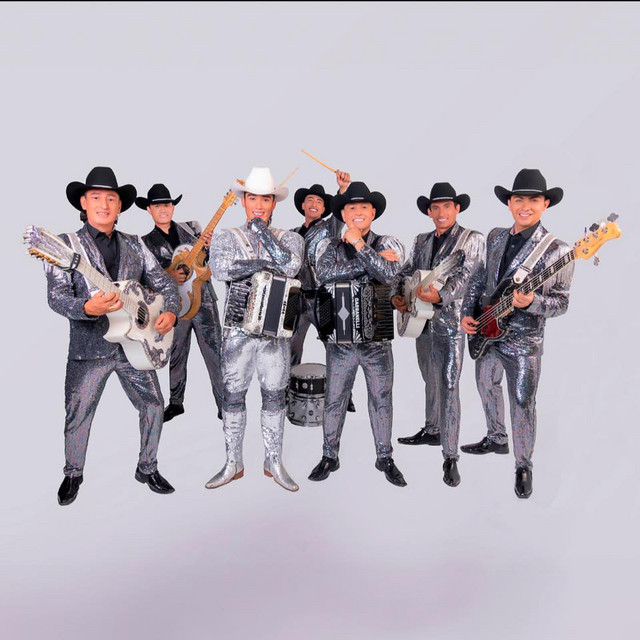
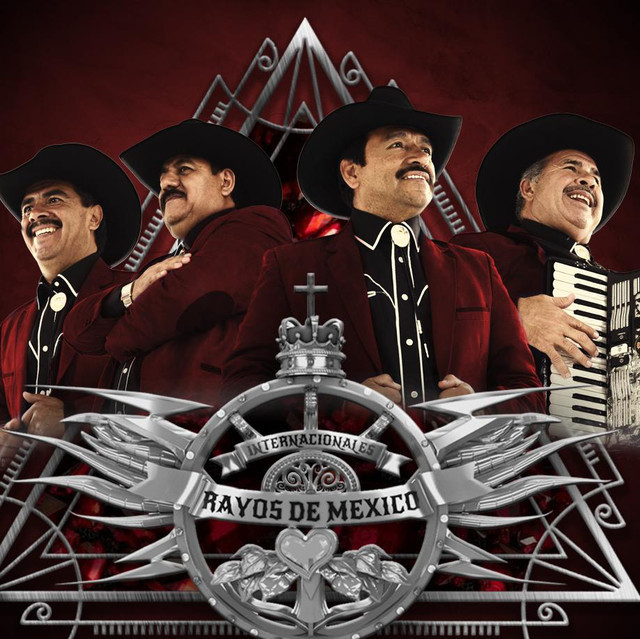
Los Rayos De Mexico
Norteño
Popular Colombian Music
Ranchera
5
/5
Grupo Frontera
Tejano
Cumbia Norteña Mexicana
Grupera
5
/5
Carín León
Regional Mexicano
Grupera
Alternative Country
5
/5
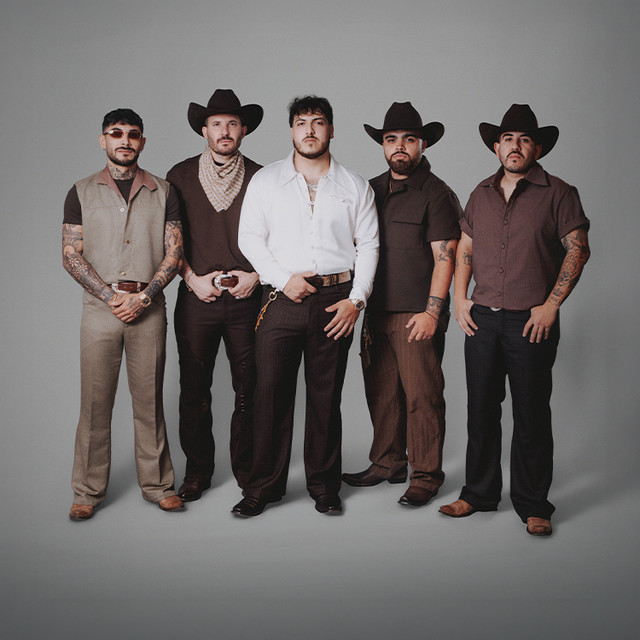
Grupo Firme
Grupera
Ranchera
Norteño
Download our mobile app
Get the Melodigging app and start digging for new genres on the go
Download on the App Store
Get it on Google Play
© 2026 Melodigging
Give feedback
Legal
Melodding was created as a tribute to
Every Noise at Once
, which inspired us to help curious minds keep digging into music's ever-evolving genres.